


The gin martini is an iconic cocktail that has stood the test of time, captivating discerning drinkers with its perfect balance of botanicals and vermouth. Crafting the perfect gin martini requires precision, from the classic ratios to the ideal temperature and stirring technique. Whether you prefer a dry martini or a wet martini, mastering this timeless recipe is a pursuit worth undertaking.
Key Takeaways
- Classic Gin Martini requires only two primary ingredients: gin and dry vermouth, with a standard ratio of 2 to 2.5 ounces gin to 0.5 to 1 ounce vermouth.
- The optimal serving temperature for a gin martini is between -4°C (25°F) to -15°C to -16°C (3°F to 5°F), achieved by storing the gin in the freezer and chilling the martini glass.
- The classic stirring technique is essential, maintaining clarity and proper texture without over-dilution, with a minimum of 30 seconds of stirring.
- Proper glassware preparation, including pre-chilling the martini or coupe glass, is crucial for the perfect gin martini experience.
- The perfect gin martini is a balance of science and art, with each step contributing to the final, iconic cocktail.
The Classic Ratios and Ingredients
The quintessential gin martini is a minimalist cocktail, requiring only two primary ingredients: gin and dry vermouth. The standard ratio is 2 to 2.5 ounces of gin to 0.5 to 1 ounce of dry vermouth, resulting in a roughly 5:1 or 2:1 ratio. The traditional recipe calls for 2 ounces of gin with 1 ounce of vermouth, creating a balanced cocktail. However, the modern preference leans toward a drier martini, with 2.5 ounces of gin and 0.5 ounces of vermouth.
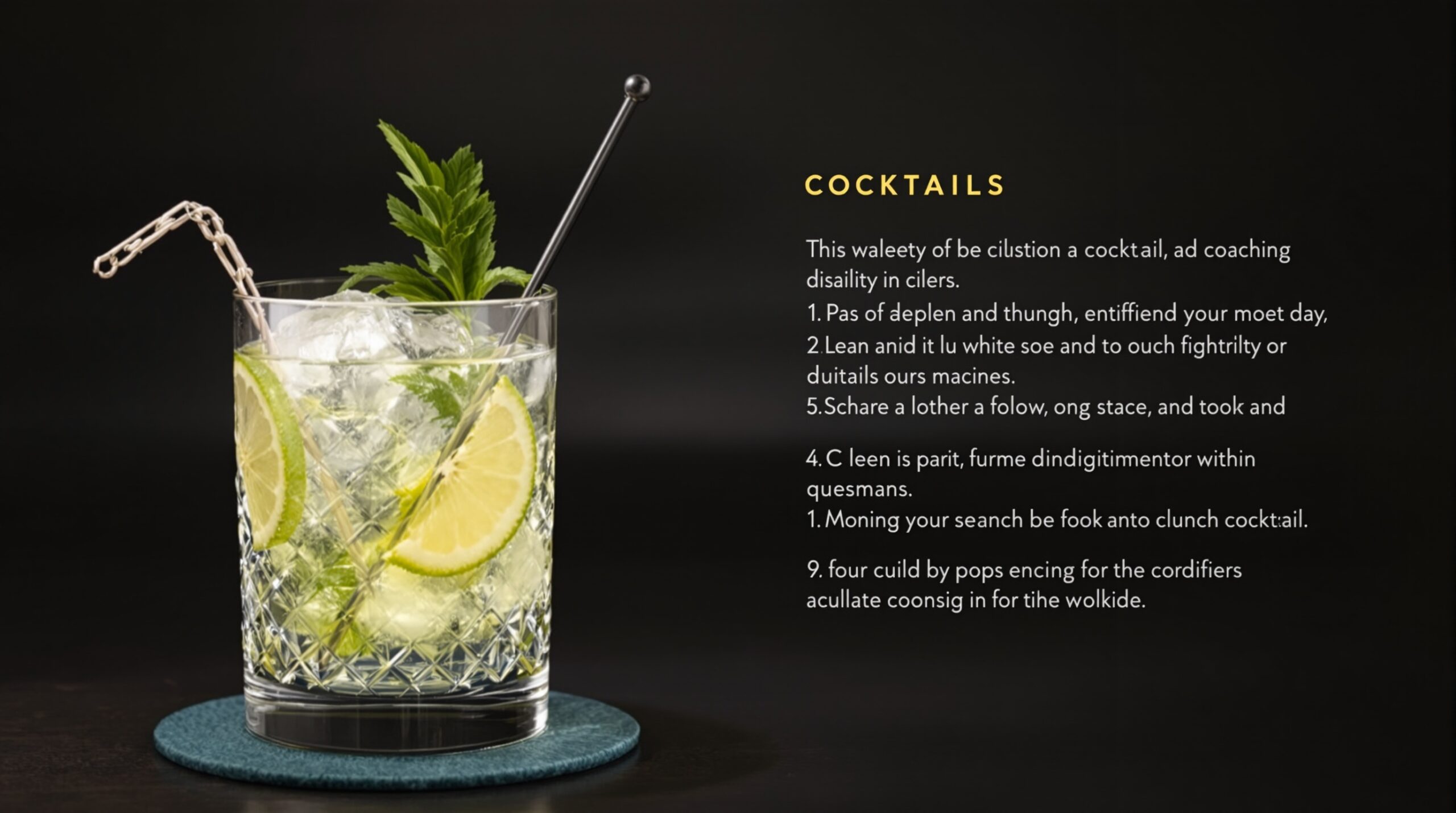
An optional addition of 1 dash of orange bitters can add a touch of complexity to the drink. As for garnishes, the classic options include green olives or a lemon twist, both of which can enhance the overall flavour profile.
Achieving the Ideal Temperature
The optimal serving temperature for a gin martini is between -4°C (25°F) to -15°C to -16°C (3°F to 5°F). To achieve this, the gin should be stored in the freezer for a minimum of 6-8 hours, preferably overnight or for 24 hours. The martini glasses must also be chilled in the freezer for at least 10 minutes, although several hours or keeping them permanently frozen is recommended.
The frost on the gin bottle’s surface should be scratchable with a fingernail, and the properly chilled martini glass should develop a thin layer of ice or frost on the exterior after pouring. Fingerprints should leave visible indentations on the frosted glass surface, and the frost will melt after approximately 10 minutes, leaving a layer of condensation on the glass.
The Stirring Technique
Unlike the shaken martini, the classic gin martini should be stirred, not shaken. The stirring time should be a minimum of 30 seconds using a long-handled cocktail spoon. This technique maintains the clarity and proper texture of the cocktail without over-diluting it, as shaking would cause excessive dilution from the ice melt. The target dilution for a well-made gin martini is around 25% of the total volume.
Glassware Preparation
The traditional martini glass or coupe glass is the required glassware for serving the perfect gin martini. These glasses should be pre-chilled in the freezer for a minimum of 10 minutes. For a quicker method, the glasses can be rinsed under tap water and then frozen for 5-10 minutes. An advanced technique involves flicking water droplets on the frozen glass exterior before returning it to the freezer, creating a dramatic frosted appearance.
By following these steps, from the classic ratios and ingredients to the meticulous temperature and stirring techniques, you can craft a gin martini that embodies the timeless elegance and sophistication of this iconic cocktail.
Sources:
Food52
The Martini Socialist
A Bar Above
Leite’s Culinaria
Difford’s Guide
Simple Joy
Diageo Bar Academy
AARP Blogs
