

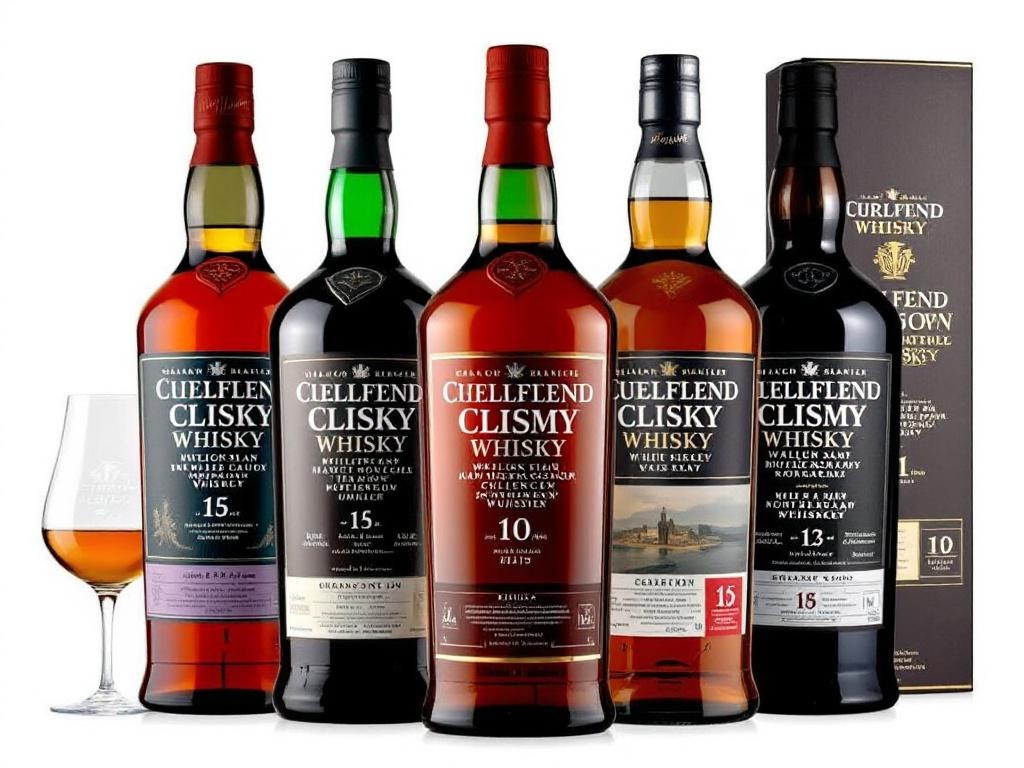
The old fashioned is a timeless cocktail that has evolved over the centuries, and when made with the rich, smoky flavors of Scotch whisky, it takes on a whole new level of sophistication. As one of the oldest recorded whiskey cocktails, the old fashioned has its roots in the early to mid-1800s in the United States, where it was originally served at room temperature with American whiskey.
Key Takeaways:
• The old fashioned is a classic whiskey cocktail dating back to the 19th century
• Scotch whisky can be used to create a smoky and sophisticated variation
• Scotch is legally and stylistically distinct from other whiskey categories
• The peat and smoke characteristics of certain Scotch regions can greatly enhance the old fashioned
• Proper glassware, dilution, and garnish are crucial for an optimal Scotch old fashioned
The Evolution of the Old Fashioned
The modern template for an old fashioned is a simple yet elegant mix of 2 oz of whiskey, 1 sugar cube or ~0.25–0.5 oz of sugar syrup, 2–4 dashes of bitters, and an optional splash of water, all stirred over ice. However, the original versions were often served at room temperature, without ice, and typically used American whiskey such as bourbon or rye. The classic old fashioned cocktail has remained a spirit-forward drink, with the alcohol content typically ranging from 25–32% ABV depending on the level of dilution.

What Makes Scotch Different (and Why It Works in an Old Fashioned)
Scotch whisky, as defined by law, must be made and matured in Scotland, distilled at less than 94.8% ABV, and aged in oak casks in Scotland for at least 3 years. Bottled Scotch is usually 40–46% ABV, while cask strength can be around 60–63% ABV before dilution. Scotch can be either malt whisky, made from 100% malted barley at a single distillery, or grain whisky, which uses other grains in addition to malted barley. This legal and stylistic distinction from other whiskey categories, such as bourbon’s sweet corn, vanilla, and caramel profile or Irish whiskey’s lighter, more delicate character, is what makes Scotch so well-suited for the old fashioned cocktail.
Scotch Regions and Flavor Profiles for an Old Fashioned
Scotland’s five main Scotch-producing regions – Highland, Speyside, Lowland, Islay, and Campbeltown – each offer unique flavor profiles that can enhance an old fashioned in different ways. Islay whiskies are famous for their robust, smoky, and peaty characteristics, often with brine, iodine, and medicinal notes. The Highlands produce a wide range of styles, from rich and full-bodied in the north to drier, coastal, and lightly peated in the west. Speyside, home to around half of Scotland’s distilleries, is known for sweet, fruity, and sometimes subtly smoky profiles. Lowland whiskies tend to be light, smooth, floral, and sweet, with very little peat influence. Campbeltown, a small but historically significant region, offers whiskies that blend sweet and savory notes with a distinct maritime edge.
Why Peat and Smoke Matter
The use of peat, a soil made from decayed moss and organic matter, is a crucial factor in the smoky and sophisticated character of many Scotch whiskies. When used to dry the malted barley, peat infuses the spirit with phenolic compounds that produce the distinct aromas and flavors of smoke, brine, and iodine. Whiskies from Islay and some coastal Highland regions are particularly known for their intense peat influence, while Speyside and Lowland whiskies often have little to no peat character.
Styles of Scotch to Use in a Smoky Old Fashioned
When crafting a Scotch old fashioned, you have several options to consider. Single malt Scotch, made from 100% malted barley at a single distillery, is prized for its rich, layered profiles that can range from fruity and floral to heavily peated and smoky. Blended Scotch, which combines malt and grain whiskies, is often more approachable, consistent, and affordable, making it a solid choice for an everyday old fashioned. Blended malt and blended grain Scotches also offer unique flavor sets, such as creamy, sweet, vanilla, and toffee notes found in blended grain expressions.
Example Scotch Recommendations by Region
Highlands: Oban, with its complex flavours of orange peel, smoke, sea salt, and honey, or Glenmorangie, a smooth and elegant single malt with notes of citrus, vanilla, and honey.
Speyside: Glenfiddich 12 Year Old, a classic Speyside single malt with an approachable character.
Lowlands: Auchentoshan or Glenkinchie, examples of soft, smooth, floral, and light Scotch well-suited to a delicate old fashioned.
Islay: Whiskies that “pack a powerful wallop due to the quality of their peat,” making them ideal for intense smoky old fashioneds.
Campbeltown: Historically home to more than 30 distilleries, this small region offers whiskies that mix sweet and savory notes with a distinct maritime edge.
Building the Perfect Smoky Scotch Old Fashioned
To craft the ultimate Scotch old fashioned, start with 2 oz (60 ml) of your chosen Scotch whisky, 0.25–0.5 oz (7.5–15 ml) of simple syrup or a sugar cube, and 2–4 dashes of aromatic bitters. Stir these ingredients over a large ice cube and express a citrus peel (orange or lemon) over the top. For a smoky twist, simply swap out the bourbon or rye for a peaty Scotch.
Flavor Pairings and Garnish Strategy
When it comes to garnishes, orange peel is the classic choice for an old fashioned, but lemon peel can better highlight the maritime, citrus, and herbal notes often found in smoky Scotch whiskies. Cherry garnishes, such as sweet Maraschino cherries, may clash with the intense peat flavours, so more restrained or unsweet garnishes are a better match. Baking spice elements, like cinnamon and nutmeg, can also pair beautifully with the Scotch and aromatic bitters.
Strength, Dilution, and Glassware
Scotch is typically bottled at 40–46% ABV, but cask strength expressions can reach 60–63% ABV before dilution. An old fashioned is not significantly diluted compared to highball-style drinks, so the final strength will remain well above 25% ABV, depending on the stir time and ice size. The traditional serve is in a short rocks or old fashioned glass over a large ice cube to slow dilution and maintain the spirit-forward character of the cocktail.
Audience and Occasion: When to Choose a Scotch Old Fashioned
The Scotch old fashioned can be positioned as a “connoisseur’s twist” on a classic, appealing to readers who are already comfortable with neat Scotch or traditional old fashioneds. Highlight that these smoky and sophisticated cocktails pair particularly well with rich foods, such as charcuterie, aged cheeses, and dark chocolate, making them an ideal after-dinner or fireside drink. Additionally, the regional stories behind Scotch whiskies can be woven into hosting narratives, adding depth and interest to the whiskey old fashioned experience.
Sources:
Edinburgh Whisky Academy – “Classic cocktails: the Old Fashioned”
Whisky.com – “Old Fashioned Whiskey Cocktail”
Wikipedia – “Scotch whisky”
Malts.com – “A guide to Scotch whisky – what is it, and how is it made?”
VisitScotland – “Scotland’s Whisky Map – The Best Distilleries”
A. D. Rattray – “Scotch Whisky Regions – A Simple Way to Navigate Malt Whiskies”
Bespoke Post – “The Distinctive Flavors of Scotland’s Five Scotch Regions”
Mike’s KC Blog – “Explore the 5 Scotch Producing Regions of Scotland”
The Liquor Bros – “The Different Scotch Regions: A Guide to Where Scotch is Made”
Alcohol Professor – “Beginner’s Guide to Scotch Whisky”
Master of Malt Blog – “What are the five types of Scotch whisky?”
Taster’s Club – “Scotch vs Whiskey – A Guide for Beginners”
ABC Fine Wine & Spirits – “All About Whiskey”
Arran Whisky – “A Bluffer’s Guide to the Scottish Whisky Regions”
Taster’s Club / Taster’s Club Blog – introductory Scotch content and regional overviews
Taste Select Repeat – “A Beginner’s Guide to Scotch and Single Malt Whisky”
