

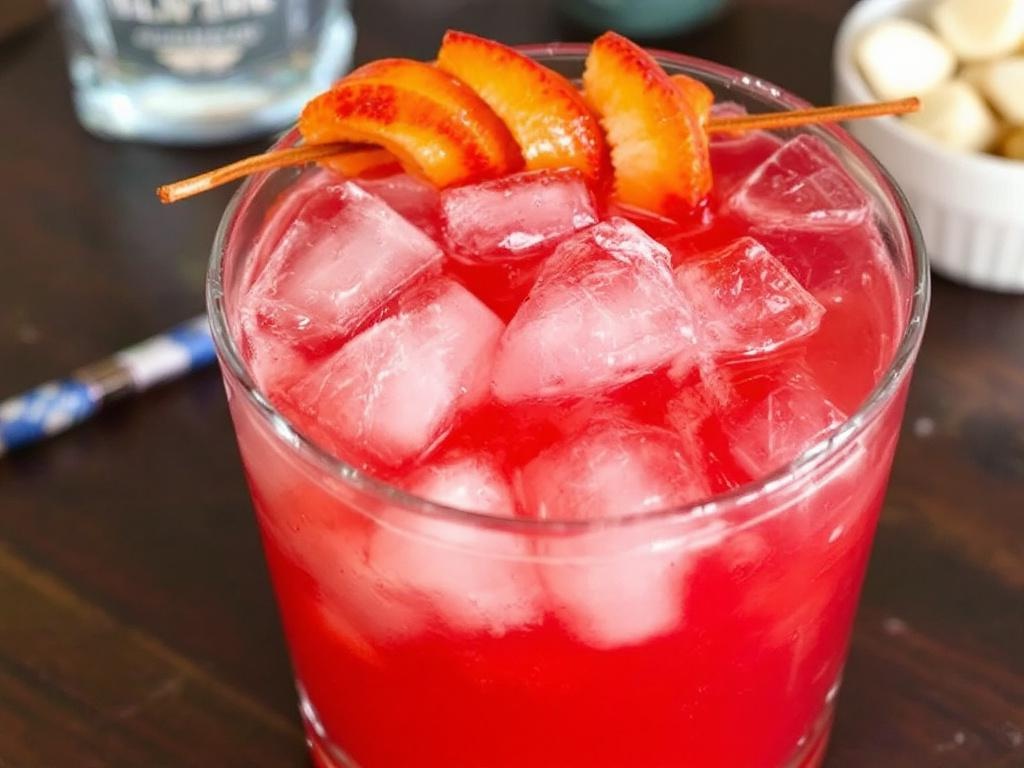
Crafting the perfect cocktail requires more than just the right ingredients – it’s about the artful presentation that elevates the overall experience. Garnishes are a critical component that can truly elevate your drinks. As bartenders know, these additions are far more than just decorative flourishes – they play a vital role in enhancing aroma, adjusting flavour, and signalling the cocktail’s style.
Key Takeaways:
- Functional Garnishes – Garnishes are not just decorative; they can add aroma, adjust taste, and communicate the cocktail’s flavour profile.
- Edible and Sustainable – Modern bartenders prefer garnishes that are edible and reduce waste, moving away from purely decorative options.
- Classic Citrus – Lemon, lime, and orange garnishes are staples, used to cut sweetness, brighten flavours, and add bitter citrus notes.
- Herbal and Aromatic – Fresh herbs, spices, and other aromatic garnishes can profoundly impact the sensory experience of a cocktail.
- Trending Flavours – Bartenders are exploring botanical, exotic, and globally-inspired garnishes to keep up with evolving cocktail trends.
Why Garnishes Matter To Bartenders
Garnishes are not merely decorative accents, but essential functional components in the bartender’s toolkit. They can add aroma through expressed citrus oils, adjust taste with salt, sugar, or spice, and signal the flavour profile and style of the cocktail. Common garnishes like citrus twists, olives, cherries, herbs, salt rims, and spices are considered integral ingredients in classic cocktail specifications, not optional add-ons.
Increasingly, modern bar programs favour edible and functional garnishes – items that are meant to be eaten or clearly enhance the flavour, rather than wasteful decorations. This shift is driven in part by sustainability concerns; a study found that 1 kg of lemon garnishes can create roughly the same carbon emissions as a 20-minute shower, pushing bars toward lower-waste and multi-use options.
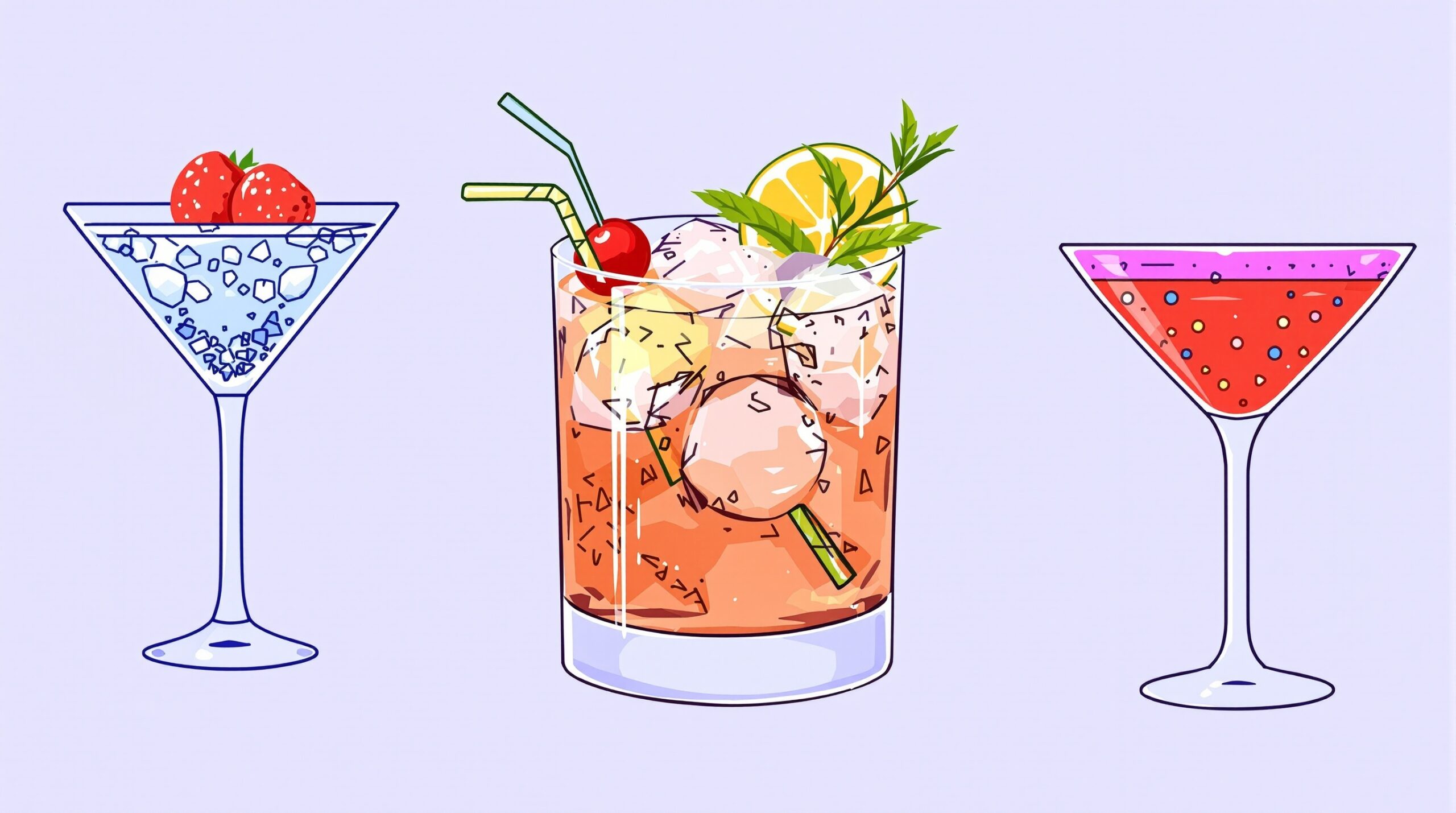
Classic Citrus Garnishes Bartenders Rely On
When it comes to citrus garnishes, bartenders have three core styles they reach for: twists/peels, wheels/slices, and wedges for lemon, lime, and orange. Expressing the citrus oils is key – the bartender will peel the fruit over the drink, bend it to release the oils, then wipe the rim to boost aroma and perceived freshness.
Some classic pairings include lime wedges for margaritas, mojitos, gin & tonics, and rum & colas (to cut sweetness and brighten); lemon for old fashioneds, whiskey sours, martinis, and cola-based drinks (for bitter citrus oils); and orange peels for Manhattans, Negronis, and many whiskey or vermouth cocktails. In fact, lime juice and lemon juice rank #2 and #3 in a top-100 cocktail ingredient list by usage frequency, behind only rich simple syrup.
Bar-Favorite Fruit Garnishes (Fresh & Dehydrated)
Beyond citrus, bartenders also reach for an array of fresh fruit garnishes including lemon, lime, orange, pineapple wedges, berries, watermelon, and tropical slices for rum drinks. Maraschino cherries and tropical cherries are must-have garnishes for Mai Tais, Piña Coladas, many whiskey drinks, and sour-mix cocktails.
An increasingly popular option is dehydrated fruit garnishes. Sliced and shelf-stable, dehydrated lemons, limes, oranges, pineapples, mangoes, and dragon fruit save prep time and reduce waste. They instantly make drinks look more “craft” and sophisticated, stack easily for service, and are perfect for garnish-heavy service like brunch or hotel bars.
Savory & Brunch Garnishes Bartenders Love
While sweet and fruity garnishes have their place, bartenders also love incorporating savory options, especially for Bloody Marys and other brunch or umami-driven drinks. Common savoury garnishes include celery stalks, carrot sticks, pickled green beans, olives, cocktail onions, pepper, shrimp, and salt rims.
Olives and cocktail onions are canonical martini garnishes – olives for straight-up gin or vodka martinis, and cocktail onions for a Gibson variation. Salted rims on drinks like Margaritas, Micheladas, and Bloody Marys can change the taste by amplifying sweetness and suppressing perceived bitterness, while sugar rims work similarly for dessert or sour cocktails.
Herbs, Spices, and Aromatic Garnishes
Herbal garnishes that bartenders routinely use include mint, basil, rosemary, lemon thyme, cilantro, and other edible leaves. These herbs must be slapped or lightly bruised to release their aroma, and should be placed where the nose meets the glass for maximum effect.
Aromatic spices like cinnamon sticks, star anise, peppercorns, and nutmeg can also be used as garnishes, floating atop the drink. Some popular gin and tonic garnish ideas from bartenders include lavender, rosemary, cinnamon, peppercorns, lemon thyme, lemongrass, and rhubarb ribbons. Mint leaves, in fact, appear in a global top-100 cocktail ingredient ranking, underscoring their widespread use.
Sweet, Dessert, and Indulgent Garnishes
For those with a sweet tooth, bartenders employ a variety of sweet garnishes like whipped cream, chocolate shavings, candy, caramel-dusted fruit, sugared cranberries, and sugar rims. These should match the drink’s overall flavour profile – for example, chocolate shavings on creamy or coffee cocktails, or sugared cranberries on winter spritzes or sours.
Edible flowers can also make for visually striking garnishes that pair well with floral or botanical cocktails like those featuring gin, elderflower, or lavender. Bartenders use these sweet garnishes to add perceived sweetness without altering the ABV, making them useful for approachable dessert cocktails.
Minimalism, Zero-Waste, and Sustainability in Garnishing
There’s been a noticeable shift in the industry away from wasteful, purely decorative garnishes toward more minimalist, edible, and low-waste choices. This is driven in part by sustainability concerns – reports indicate that 1 kilogram of lemon garnishes has a carbon footprint comparable to a 20-minute shower, sparking debate about garnish waste.
The zero-waste and “nose-to-tail citrus” trends see bartenders using the juice in drinks, peels for twists or oleo, and leftover citrus for syrups, cordials, or dehydrated wheels. Current drink-trend research also finds bars increasingly prefer edible, functional garnishes (like dehydrated fruit used alongside a matching cordial) over non-edible décor.
Trendy & Global Flavor Garnish Ideas Bartenders Are Exploring
To keep up with evolving cocktail trends, bartenders are experimenting with botanical and exotic garnishes. This includes botanical infusions, tropical fruits like mango and passion fruit, Mediterranean herbs, and even olive oil drizzles.
For Latin American-inspired cocktails, bartenders are pairing tequila and mezcal with lime, chili salt rims, tropical fruit slices, and herbs like cilantro. Mediterranean touches like fresh herbs, citrus, and olive oil add texture and aroma. And spicy garnish trends featuring jalapeños, habaneros, and Sichuan peppercorns provide controlled heat and visual interest.
Practical Garnish Techniques Bartenders Swear By
Crafting great garnishes requires the right tools and techniques. Bartenders rely on sharp knives and careful prep to maintain clean cuts and reduce waste when working with fruit. Basic techniques include making citrus twists and peels with a channel knife or peeler, evenly rimming glasses with salt/sugar/spice, and bruising herbs to release their aroma.
Operationally, bartenders also benefit from pre-batching garnishes like dehydrated fruit slices and pre-cut wedges, which significantly increases service speed during busy shifts. These small but essential garnish preparations are part of a well-executed bar mise en place.
Conclusion
Garnishes are far more than just decorative flourishes – they are essential tools in the bartender’s arsenal, capable of elevating the aroma, flavour, and visual appeal of any cocktail. By understanding the purpose and techniques behind classic and modern garnish styles, bartenders can create drinks that truly captivate the senses and delight their guests.
Sources:
Spec’s Wines, Spirits & Finer Foods – “The Ultimate Cocktail Garnish Guide”
Difford’s Guide – “Top 100 cocktail ingredients”
Rancho La Gloria – “Cocktail Trends for 2024: What’s New in Mixology”
LEX by Nemiroff – “Garnish Ideas For Cocktails”
EHL Hospitality Business School – “Cocktail Trends: Drink Ideas to Lift Your Spirits in 2025”
Sipsmith – “15 Unusual Gin & Tonic Garnishes You Must Try”
Bartender Spirits Awards – “Top 2025 Mixology Trends: Zero-Waste, Wellness & AI”
Southern Glazer’s Wine & Spirits – “Top 10 drink trends from the 2026 Liquid Insights Tour”
The Takeout – “Cocktail Garnishes May Be On The Chopping Block As Some Bartenders Say They’re Wasteful”
Tasting Table – “Here’s The Point Of A Cocktail Garnish (Besides Making You Feel Fancy)”
Mathieu Teisseire – “The Bartender’s Guide to Cocktail Garnishing”
