


Buying a bar in the UK can be an exciting and rewarding venture, but it also requires navigating a complex landscape of regulations, licensing, and business considerations. As a prospective bar owner in the United Kingdom, understanding the key factors involved in this process is crucial for success.
Key Takeaways:
- UK Bar Landscape: The UK has approximately 39,000-40,000 pubs and bars, with a long-term decline in pub numbers since around 2000. Bars can operate as freehold, leasehold, or tenanted/tied businesses.
- Licensing Framework: Bars in England and Wales require a Premises Licence and a Designated Premises Supervisor with a Personal Licence to legally sell alcohol.
- Premises Licences and Conditions: Premises Licences can be reviewed, and additional conditions can be imposed by local licensing authorities.
- Off-Sales Regulations: Temporary relaxations on off-sales rules during the pandemic have been extended until at least 31 March 2025.
- Profit Margins: Wet-led bars (higher gross margin per drink) and food-led venues (higher total spend per head) have different profit models.
Understanding the UK Bar Landscape
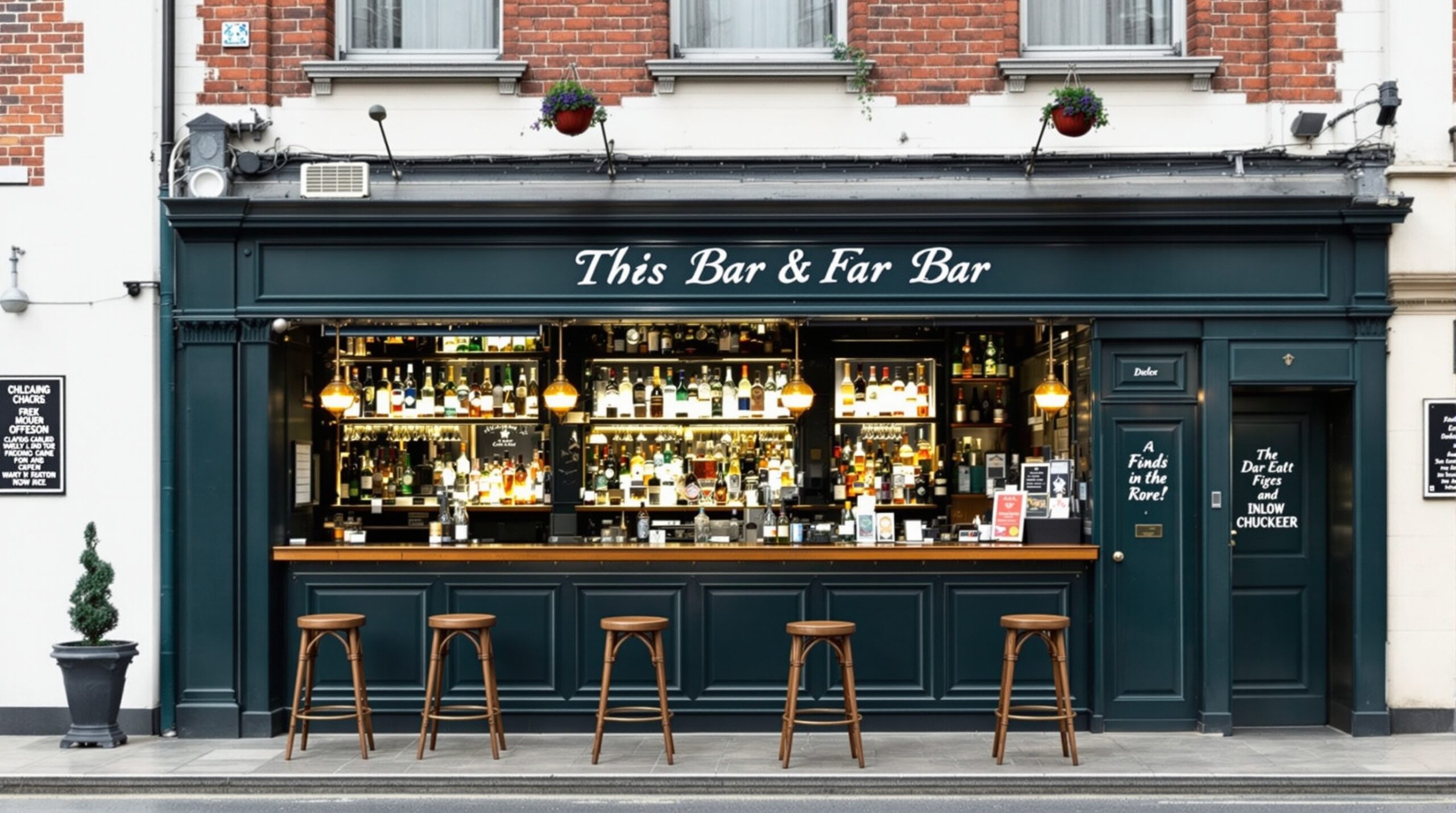
The UK bar and pub industry is a complex and ever-changing landscape. There are roughly 39,000–40,000 pubs and bars in the UK, with a long-term decline in pub numbers since around 2000. Bars can operate as freehold, leasehold, or tenanted/tied businesses, with many newcomers entering the market via leasehold or tenancy agreements.
When buying a bar, it’s important to compare the pros and cons of free-of-tie vs tied arrangements. Tied tenants are usually required to buy some or all of their alcohol from the landlord brewery or pub company, which can impact profit margins.
Additionally, profit margins differ between wet-led bars (higher gross margin per drink, but high labour and fixed costs) and food-led venues (lower alcohol margin but higher total spend per head).
The Licensing Framework
In England and Wales, the sale of alcohol is governed by the Licensing Act 2003, which is overseen by local licensing authorities. Bars need two main licenses to operate legally: a Premises Licence (for the venue) and at least one Personal Licence holder as the Designated Premises Supervisor (DPS).
The Premises Licence is a key business asset, and breaching its conditions can lead to review, extra conditions, suspension, or revocation by the local licensing authority.
Personal Licences and the DPS
In England and Wales, anyone who plans to sell or authorize the sale of alcohol needs a personal licence. The DPS must hold a personal licence and is legally responsible for ensuring alcohol sales comply with the Premises Licence and the law.
If a personal licence is forfeited or lapses, and that person is the DPS, the premises can no longer legally sell alcohol until a new DPS is appointed.
Premises Licences, Conditions, and Off-Sales
A Premises Licence authorizes one or more licensable activities: sale/supply of alcohol, regulated entertainment, and late-night refreshment. Licence fees and annual charges are banded according to the property’s national non-domestic rateable value (NNDR) band.
Licensing authorities can review a Premises Licence at any time and impose extra conditions, remove activities, or suspend/revoke the licence. Licensing rules on off-sales were temporarily relaxed for many pubs and bars, allowing more off-site consumption until at least 31 March 2025.
Conclusion
Buying a bar in the UK requires a thorough understanding of the complex regulatory landscape, licensing requirements, and profit models. By carefully navigating these considerations and developing a comprehensive business plan, prospective bar owners can increase their chances of success in this competitive and dynamic industry.
Sources:
GOV.UK
Poppleston Allen
Sprintlaw
eTakeawayMax
Pinsent Masons
Pub & Bar
