


Crafting a comprehensive buffet restaurant business plan is a crucial step for any aspiring restaurateur seeking to establish a successful dining establishment. This guide provides a sample framework and practical insights to help you navigate the process with confidence.
Key Takeaways:
- Detailed market analysis to identify target customers and competition
- Developing a unique menu and dining experience to attract patrons
- Careful financial projections to ensure profitability and sustainability
- Strategising effective marketing and promotional tactics
Understanding the Buffet Restaurant Business
Buffet-style dining has long been a popular choice among UK consumers, offering a convenient and cost-effective way to indulge in a variety of culinary delights. Successful buffet restaurants cater to the diverse tastes and preferences of their clientele, providing an extensive menu selection and a visually appealing dining environment.
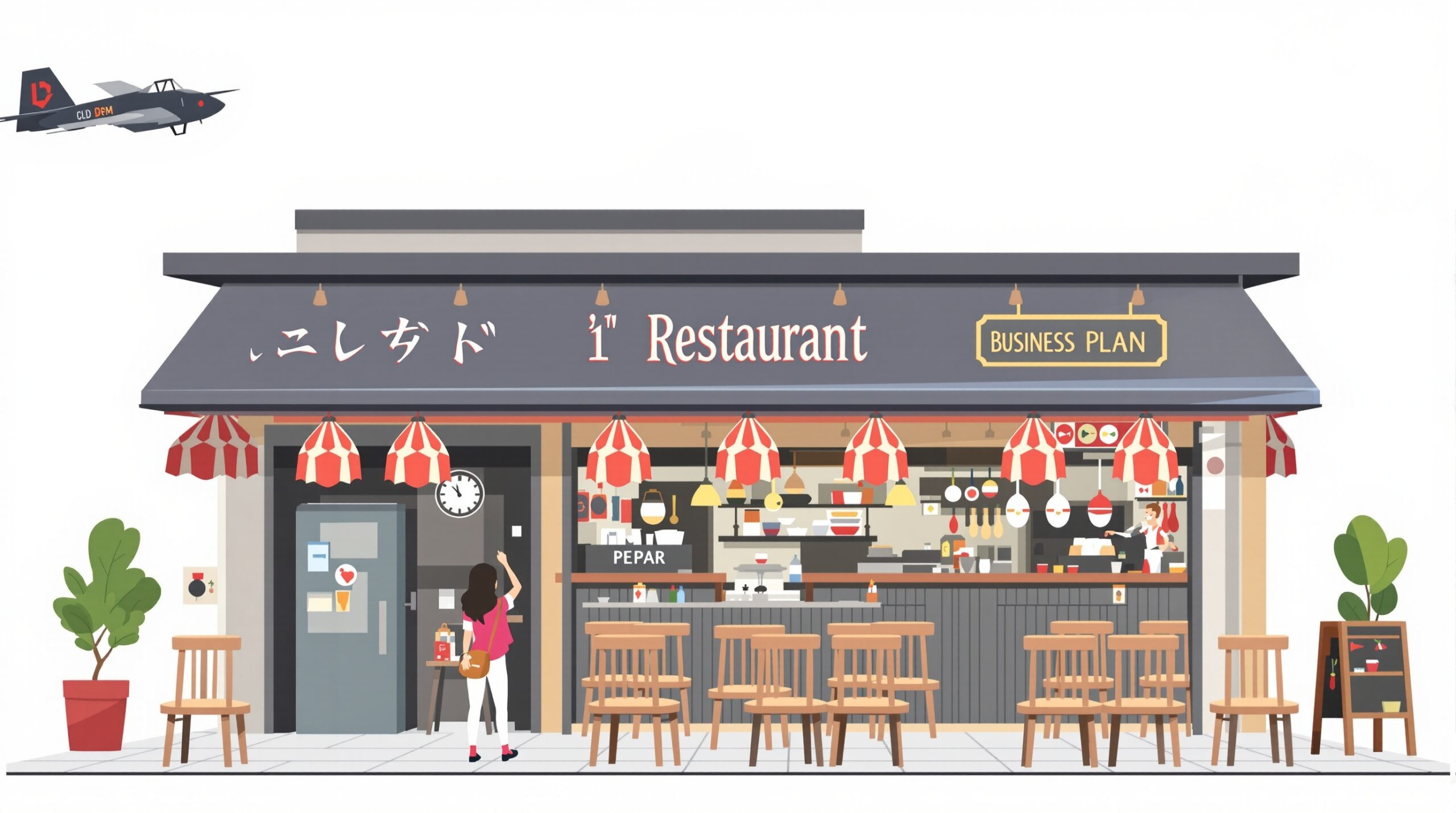
When crafting a buffet restaurant business plan, it is essential to thoroughly research the local market, identify your target demographic, and develop a unique value proposition that sets your establishment apart from the competition. This includes carefully curating your menu, creating an inviting ambience, and implementing effective marketing strategies to attract and retain customers.
Crafting a Comprehensive Buffet Restaurant Business Plan
A well-structured restaurant business plan serves as a roadmap for your buffet venture, guiding you through the various aspects of business development and operations. Here are the key elements to consider:
Executive Summary
Begin with a concise overview of your buffet restaurant concept, highlighting your unique selling points, target market, and financial projections. This section should provide a clear and compelling snapshot of your business idea.
Market Analysis
Conduct a thorough analysis of the local market, identifying your target customers, their preferences, and the competitive landscape. This information will help you develop a strategic positioning and pricing strategy for your buffet restaurant.
Operations and Management
Outline your operational plan, including details on food sourcing, preparation, service, and kitchen management. Describe your management team and their relevant experience to instill confidence in potential investors or lenders.
Financial Projections
Provide detailed financial projections, including start-up costs, operating expenses, revenue forecasts, and cash flow analysis. This section should demonstrate the profitability and long-term viability of your buffet restaurant business.
Marketing and Promotion
Develop a comprehensive marketing strategy to attract and retain customers. This may include tactics such as social media engagement, local partnerships, and targeted advertising campaigns.
Conclusion
By meticulously planning and executing your buffet restaurant business plan, you can position your establishment for long-term success in the UK’s dynamic dining landscape. With a focus on quality, customer experience, and strategic marketing, you can create a thriving buffet restaurant that caters to the diverse tastes of your local community.
Sources:
