


Is Mocktail Alcohol? Exploring the Delicious World of Non-Alcoholic Drinks
Introduction: Beyond the Booze
In the ever-evolving landscape of modern beverages, mocktails have emerged as a captivating alternative to traditional cocktails. These 100% non-alcoholic mixed drinks are designed to mimic the flavour complexity of their alcoholic counterparts, offering a refreshing option for those seeking a zero-proof experience. From health-conscious consumers to underage enthusiasts, mocktails are carving out a unique space in the UK’s vibrant drinks culture.
Key Takeaways:
- Mocktails are non-alcoholic beverages that replicate the taste and experience of cocktails without any alcohol or buzz.
- Mocktails use fruit juices, syrups, sodas, herbs, and non-alcoholic spirits as substitutes for liquor bases like vodka, rum, gin, or whiskey.
- The key differences between mocktails and cocktails lie in their base ingredients, alcohol content, shelf life, and intended audience.
- Balancing flavours is crucial in mocktail-making, with ratios like 2:3/4:3/4 (strong:sweet:sour) using non-alcoholic replacements.
- Mocktails offer health and appeal benefits, being nutrient-rich with lower calories than their alcoholic counterparts.
Defining Mocktails: Crafting the Non-Alcoholic Experience
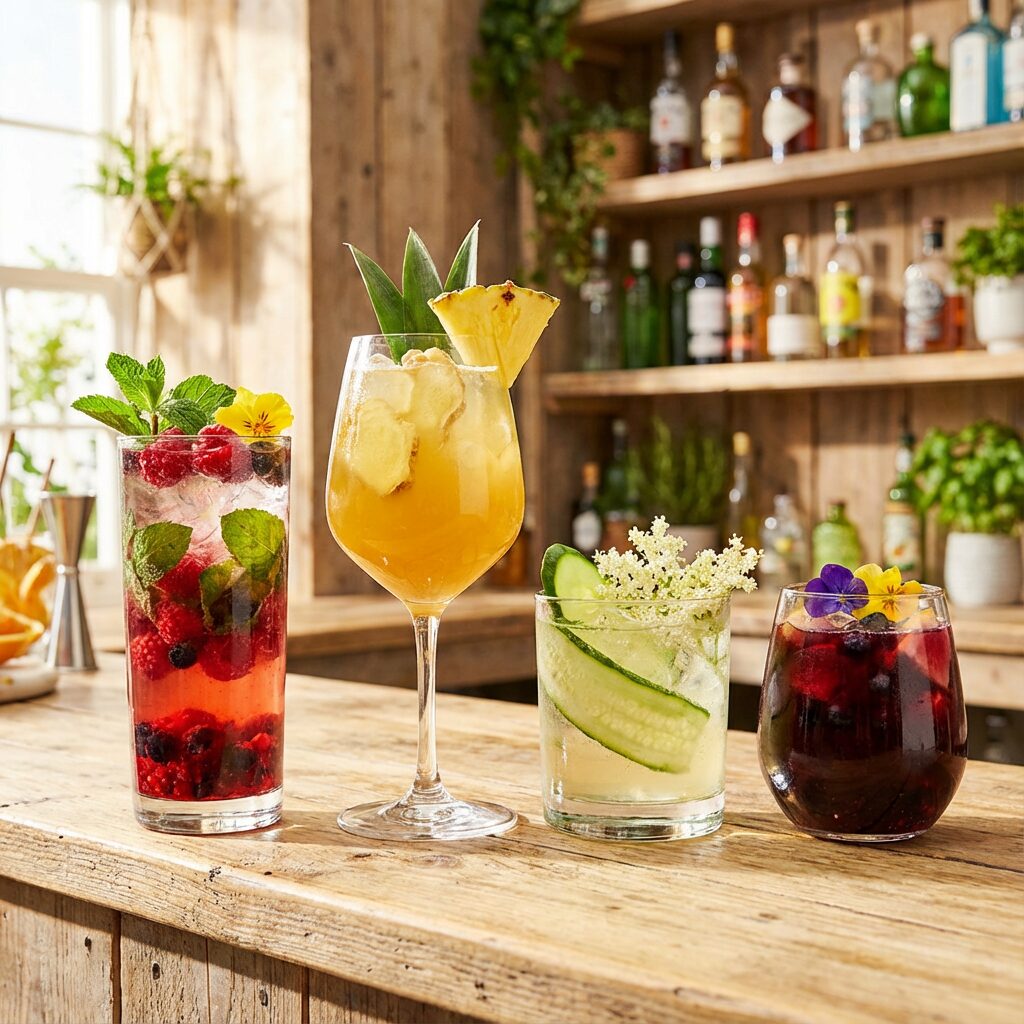
Mocktails are 100% non-alcoholic mixed drinks designed to mimic the flavour complexity of cocktails without any alcohol or buzz. They use a variety of fruit juices, syrups, sodas, herbs, and non-alcoholic spirits as substitutes for liquor bases like vodka, rum, gin, or whiskey. This allows them to cater to a broader audience, including kids, teens, health-conscious individuals, and those with religious restrictions, while cocktails are intended for legal drinking age adults.
Mocktail vs. Cocktail: Unravelling the Differences
The key differences between mocktails and cocktails lie in their base ingredients, alcohol content, shelf life, and intended audience. Cocktails contain alcohol (spirits provide strength and character), while mocktails are fully non-alcoholic with a shorter shelf life, as they are best consumed fresh, especially if they are juice-based. Cocktails preserved by spirits can last for months, whereas mocktails have a more limited lifespan.
To mimic the flavour profiles of cocktails, mocktails rely on balanced ratios of ingredients without alcohol’s masking effect, making every ingredient’s flavour more critical. They might use ratios like the classic 2:3/4:3/4 (strong:sweet:sour), but replace the ‘strong’ element with herbal, floral, or bitter replacements.
Essential Mocktail Ingredients: Crafting the Perfect Blend
The key to crafting delicious mocktails lies in the careful selection and combination of fruit juices, non-alcoholic spirits, sodas, herbs, spices, syrups, non-alcoholic bitters, creams/milk, and superfoods. Common fruit choices include lemons, limes, oranges, strawberries, raspberries, blueberries, pineapple, and mango, while herbs like mint, basil, and rosemary add aromatic complexity. Mixers such as club soda, tonic water, ginger ale, and ginger beer provide different flavour profiles to balance the mocktail.
Achieving the perfect balance of acidity, sweetness, and body is crucial in mocktail-making, as the absence of alcohol’s masking effect means every ingredient’s flavour must be meticulously considered.
Mocktail Recipes and Products: Exploring the Possibilities
The growing popularity of mocktails has led to the development of a wide range of premium non-alcoholic spirit brands and innovative mocktail recipes. Brands like Ronsin, Seedlip, Lyre’s, and VERSIN offer high-quality non-alcoholic alternatives that can be used as the base for creative mocktail creations.
Some popular mocktail recipes include the Citrus Mint Sparkler, Mocktail Margarita, Molasses Lime Ginger, NA Daiquiri, and NA Negroni, each showcasing the versatility and depth of flavour possible in the world of non-alcoholic mixology.
Health and Appeal Benefits: Mocktails for the Modern Lifestyle
Mocktails offer a range of health and appeal benefits, making them an attractive choice for a diverse audience. They are nutrient-rich, containing vitamins, minerals, and antioxidants from the fresh fruits, vegetables, herbs, and superfoods used in their preparation. Additionally, they are lower in calories compared to their alcoholic counterparts, appealing to health-conscious consumers.
The broad appeal of mocktails extends beyond just health-conscious individuals, as they cater to kids, teens, and those with religious restrictions who may not consume alcohol. Garnishes such as berries, ginger, cherries, pomegranate, citrus, and herbs further enhance the visual appeal and sensory experience of these non-alcoholic delights.
Conclusion: Embracing the Mocktail Revolution
In the ever-evolving world of drinks, mocktails have emerged as a captivating alternative to traditional cocktails, offering a non-alcoholic yet flavourful experience. From their meticulously crafted ingredients to their health and appeal benefits, mocktails are poised to continue their rise in popularity, catering to a diverse UK audience seeking a refreshing and innovative approach to non-alcoholic beverages.
Whether you’re a health-conscious consumer, a designated driver, or simply someone looking to explore the exciting world of non-alcoholic mixology, the rise of mocktails presents an opportunity to discover a new realm of flavour and enjoyment.
Sources:
The New Bar
Mingle
How to Make Craft Mocktails
Webstaurant Store
A Bar Above
Advanced Biotech
Nutrition Stripped
Mingle
