

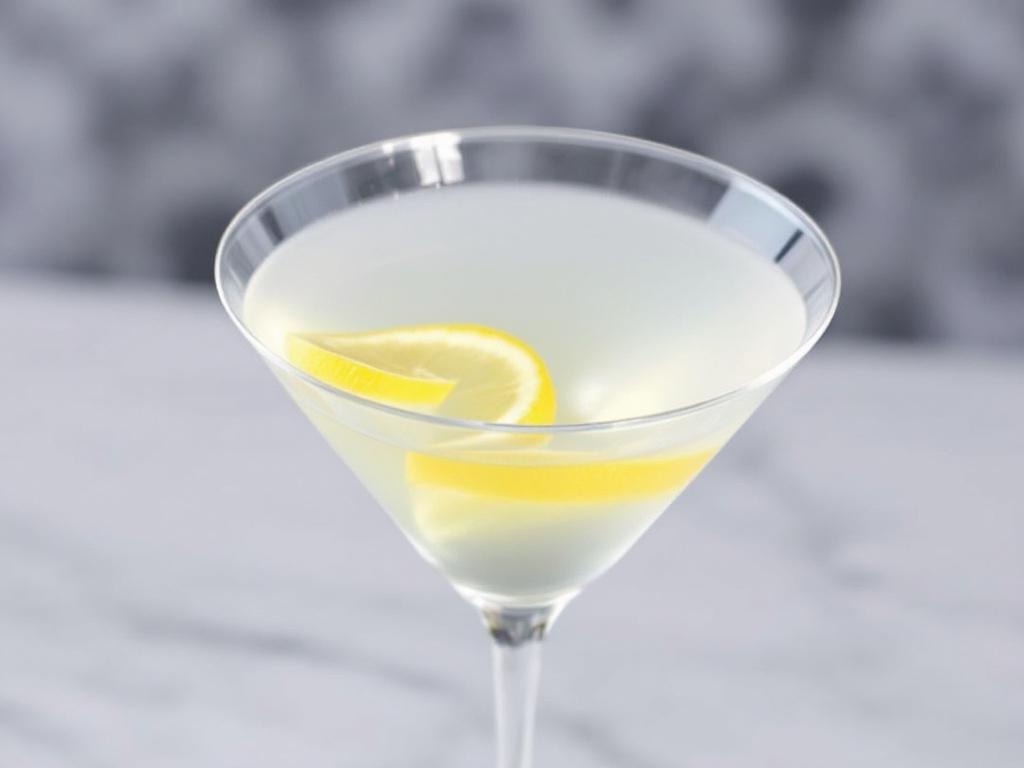
Gin Martini Lemon Twist: A Refreshing Take
The classic gin martini has long been a staple of cocktail culture, but a simple addition of a lemon twist can elevate this timeless libation to new heights of refreshment. Tracing its origins to the Martinez cocktail of the Gold Rush era, the gin martini has evolved over the decades, with a range of ratios and garnishes to suit every palate.
Key Takeaways:
- Gin Martini’s Origins: Evolved from the Martinez cocktail during the Gold Rush era in Martinez, CA.
- Classic Recipe: 2-3 oz gin, 0.5-1 oz dry vermouth, 1-2 dashes orange bitters, garnished with a lemon twist.
- Lemon Twist: Expresses citrus oils for bright, aromatic refreshment that contrasts the gin’s botanicals.
- Preparation Tips: Use London dry or Plymouth gin; stir vigorously 20-30 seconds for dilution.
- Variations: Include the Vesper and the Dirty Martini.
The Evolution of the Gin Martini
The gin martini has a rich history that can be traced back to the Martinez cocktail, which was popularised during the Gold Rush era in Martinez, California. According to legend, a prospector received a mix of gin, sweet vermouth, bitters, and maraschino liqueur instead of the expected Champagne, marking the birth of this iconic drink.
Over time, the martini transitioned to a drier version, with dry vermouth taking the place of the sweeter varieties. The origins of this transformation are somewhat disputed, with the Knickerbocker Hotel in New York City, a San Francisco bar, or the Martini & Rossi vermouth company from the mid-1800s all claiming a role in its development.
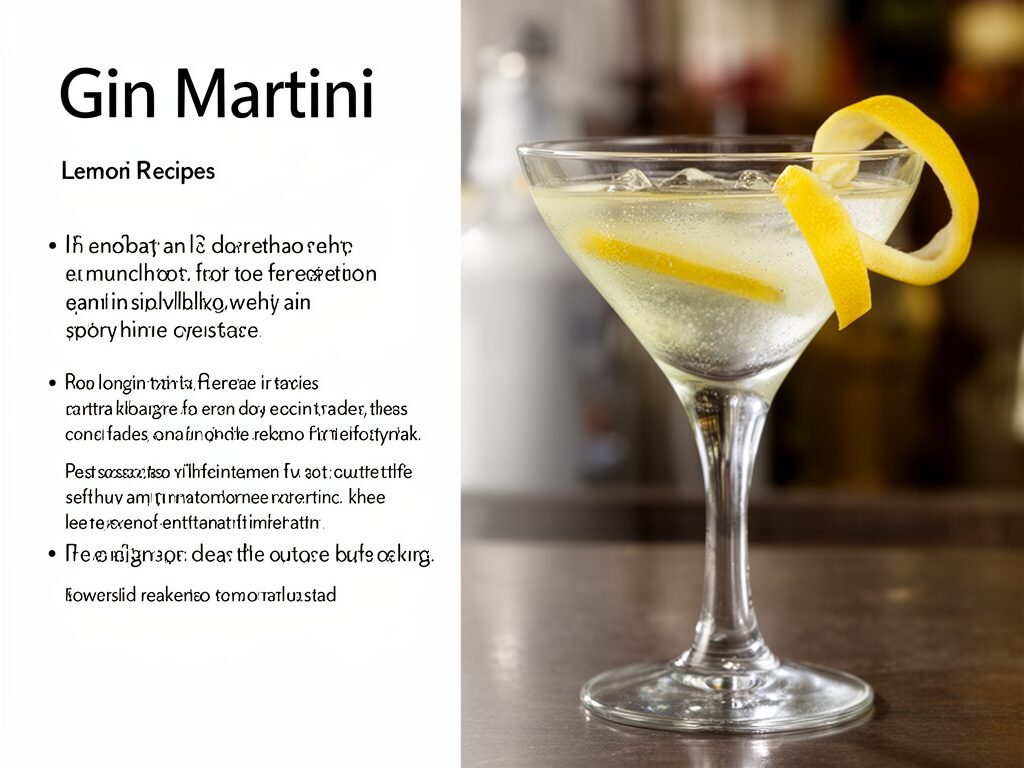
The original martini recipes used sweetened Old Tom gin and sweet vermouth, but as London dry and Plymouth gins became more widely available in the 1890s, the drink evolved to a drier profile. By 1896, the Dry Martini, with equal parts gin and dry vermouth, had become widespread, and the post-Prohibition standard ratio of 3:1 gin-to-vermouth emerged in the decades that followed. The famously dry 15:1 ratio favoured by Ernest Hemingway gained popularity after World War II.
However, the rise of vodka in the 1970s saw vodka martinis surpassing their gin-based counterparts in popularity, a trend that continues to this day.
The Classic Gin Martini with Lemon Twist
The classic gin martini is a delightful balance of juniper-forward gin and dry vermouth, with a lemon twist providing a refreshing finishing touch. The standard recipe calls for 2-3 oz of gin, 0.5-1 oz of dry vermouth, and 1-2 dashes of optional orange bitters, garnished with a lemon twist that is expressed over the drink to release its aromatic oils.
The drink is always stirred, not shaken, to avoid dilution and cloudiness. The ideal ratio can vary, with a 5:1 gin-to-vermouth ratio (2.5 oz gin : 0.5 oz vermouth) being a common starting point. Some prefer a drier 10:1 or even a “Perfect Martini” at 1:1, though the latter may be considered too wet for many tastes.
Specific recipes can also vary, such as the Seagram’s version (2.5 parts gin, 1 part vermouth, dash bitters), the Barr Hill recipe (2 oz gin, 1 oz vermouth, 2 dashes bitters), the Botanist (2.5 oz/75ml gin, 0.5 oz/15ml vermouth), or a Beefeater-based martini (3 oz gin, 0.5 oz vermouth).
Why the Lemon Twist Makes It Refreshing
The lemon twist is a crucial element that elevates the classic gin martini, providing a bright, aromatic contrast to the gin’s botanical flavours. The expressed citrus oils from the lemon peel add a refreshing, clean profile that complements the drink’s cool, crisp mouthfeel.
Compared to the more common olive garnish, the lemon twist offers a non-salty alternative that keeps the palate refreshed and ready for the next sip. Alternatives like lemon balm can also be used to similar effect.
The lemon twist pairs particularly well with drier gins like Boodles, Beefeater, and Plymouth, when combined with Dolin vermouths for a classic, elegant martini experience.
Preparation Tips and Variations
To craft the perfect gin martini with a lemon twist, it’s recommended to use London dry or Plymouth gins and to stir the drink vigorously for 20-30 seconds to achieve the right level of dilution.
The essential tools for the job include a mixing glass, a strainer, a barspoon, and a Japanese-style jigger (such as the Cocktail Kingdom 3/4 oz & 1/2 oz) to ensure precise measurements.
Beyond the classic recipe, popular variations include the Vesper (2 oz gin, 1 oz vodka, 1/4 oz Lillet Blanc) and the Dirty Martini (with the addition of 1/4-1/2 oz of olive brine). Glassware options range from the traditional 3 oz vintage martini glass to the elegant coupe.
Conclusion
The gin martini with a lemon twist is a timeless cocktail that has endured through the decades, evolving in both recipe and popularity. By harnessing the refreshing power of citrus and the botanical complexity of quality gin, this drink offers a sophisticated and eminently enjoyable experience for the modern palate.
Whether you prefer a drier, more assertive profile or a softer, more balanced approach, the gin martini with a lemon twist is a versatile and rewarding libation that can be tailored to suit any discerning drinker’s taste. Raise a glass and savour the rich history and bright, refreshing flavours of this classic cocktail.
Sources:
Seagram’s Gin: Gin Martini Recipe
Great Eight Friends: The Gin Martini… A Classic Cocktail
Barr Hill: Classic Martini
Blossom to Stem: The Dry Martini, the most enduring classic cocktail
At Home with Savvy: My Favorite Gin Martini Recipe
The Botanist: Dry Martini with Lemon Twist
