

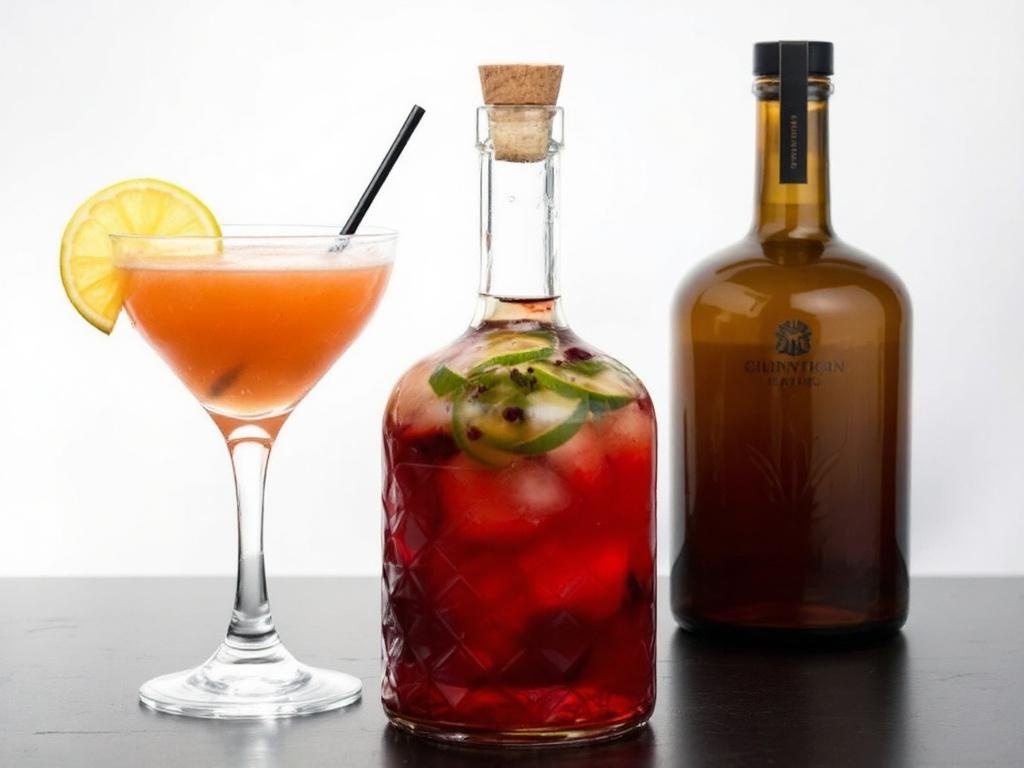
Cocktail Fruit: Adding Freshness to Your Mix
Introducing the Fruit Revolution
The cocktail scene is undergoing a fresh transformation, with cocktail fruit emerging as a core element that brings new life to mixes. Bartenders and mixologists are increasingly turning to tropical fruits like guava, banana, melon, and pineapple to create bright, crowd-pleasing profiles that move away from overly sweet concoctions. This shift towards natural flavours and lower sugar content aligns with the growing wellness-driven trends, which favour exotic citrus fruits and Asian-inspired flavours.
Key Takeaways
- Cocktail fruit is bringing freshness to mixes, with a focus on tropical fruits like guava, banana, melon, and pineapple.
- There is a shift from overly sweet profiles to natural flavours and lower sugar content.
- Wellness trends are driving the popularity of exotic citrus fruits and Asian-inspired flavours.
- Herbs, spices, and vegetables are gaining traction alongside these fruits for balanced creations.
- Outdated trends like Sex on the Beach are down by 33.38% year-over-year.
The Wellness Boost
The incorporation of cocktail fruit aligns with the broader wellness trends sweeping the industry. Fruits offer a natural solution for creating lower sugar mixers, while the inclusion of fresh ingredients, citrus, ginger, and sparkling components further enhances the sense of freshness. Spritz-style cocktails in particular emphasize this natural vibrancy over sweetness, reflecting the preference for fewer overly sweet mixers and more grown-up cocktails. The benefits of this approach extend beyond just flavour, with hydration from fruits and antioxidants in citrus contributing to the overall wellness proposition.
Trending Fruits and Flavours
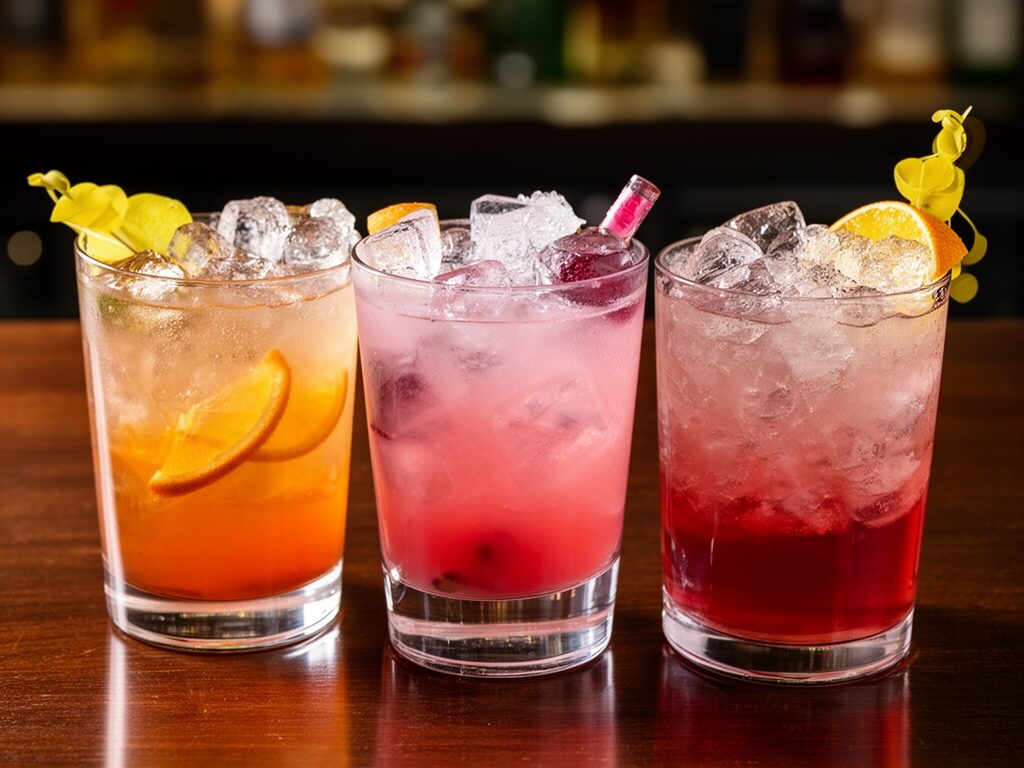
At the forefront of this fruit revolution are several standout tropical options. Guava offers a tart, bright profile, banana brings creamy depth, melon provides refreshing notes, and pineapple delivers crowd-pleasing acidity. Mixologists are also experimenting with savory-tropical combinations, such as pairing pineapple with saline, olives, and cucumber. Additionally, fruity drinks are seeing the emergence of fermented citrus like spicy Japanese yuzu kosho, which introduces a balance of citrus, salinity, and light heat.
A tropical spritz featuring pineapple, guava, and sparkling water is a prime example of how these trending fruits can be leveraged to create vibrant, wellness-focused cocktails.
Fruit in Garnishes and Presentation
The influence of cocktail fruit extends beyond the liquid itself, with edible, maximalist garnishes featuring citrus peels, fresh fruits, and edible flowers becoming increasingly common. These elements not only provide a vibrant, Instagram-worthy presentation but also contribute to the overall multisensory experience, with the essential oils in citrus peels enhancing the drink’s aroma (which accounts for 80% of its flavour). As the industry shifts from minimalist to more maximalist trends, these sustainable, edible garnishes offer a visually striking way to elevate the cocktail experience.
Conclusion
The cocktail fruit revolution is transforming the way we approach mixed drinks, bringing a renewed sense of freshness, wellness, and vibrancy to the category. By embracing tropical fruits, lower sugar profiles, and multisensory garnishes, bartenders and mixologists are creating crowd-pleasing cocktails that cater to the evolving preferences of discerning UK consumers. As the industry continues to evolve, the integration of cocktail fruit is poised to remain a defining trend, shaping the future of the craft cocktail scene.
Sources:
Tasting Table
The World’s 50 Best
Cognitive Market Research
The Art of Shaking
Master of Malt
Hospitality Insights EHL
Lushworthy
The Week
SevenFifty Daily
Datassential
