

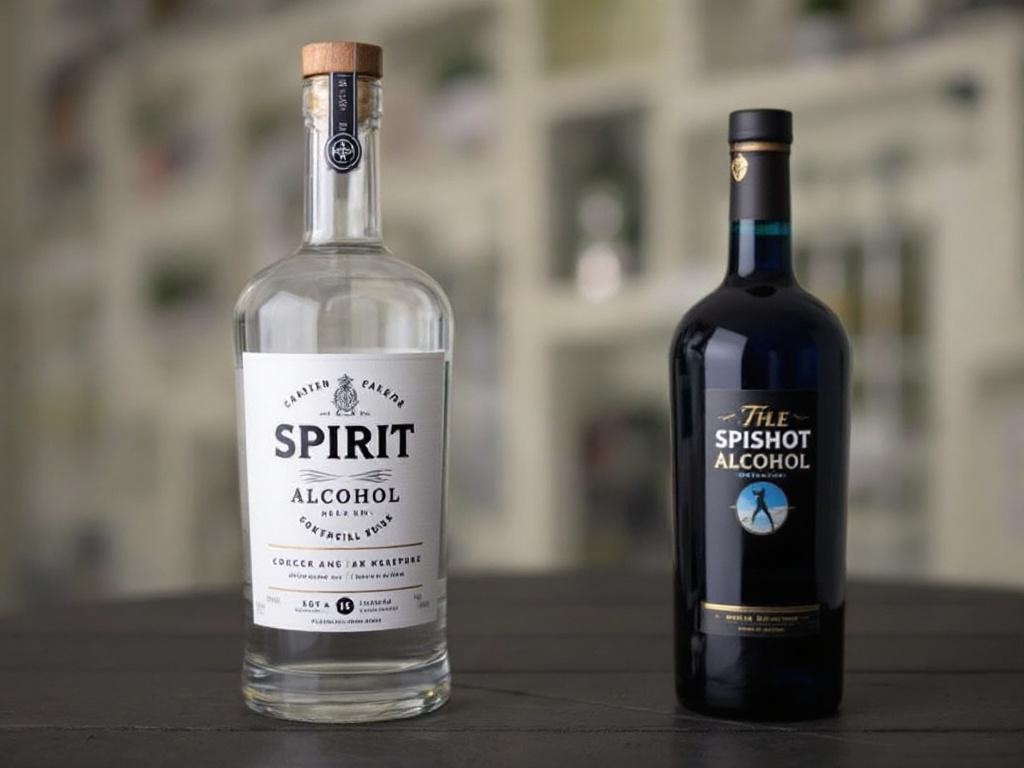
Spirit Alcohol: Detailed Guide
Spirit alcohol, also known as hard liquor, refers to a class of distilled alcoholic beverages that pack a powerful punch. These highly concentrated spirits are created through the fermentation and distillation of plant-based ingredients, resulting in an alcohol content typically exceeding 40% by volume (ABV). This comprehensive guide will delve into the production process, different types, and key attributes of these captivating spirit alcohols.
Key Takeaways:
- Spirits are distilled from fermented plant-based ingredients, like grains, fruits, and sugarcane, to achieve a higher alcohol content than beer or wine.
- There are six primary types of spirits: whiskey, brandy, vodka, rum, gin, and tequila, each with its unique production methods and flavour profiles.
- The distillation process involves separating alcohol from water, allowing spirits to reach up to 96% ABV before dilution and ageing.
- Flavoured and infused spirits, such as gins and liqueurs, are created by blending base spirits with botanicals, fruits, or other flavorings.
- Understanding the key terms and production details of spirit alcohol can enhance your appreciation and enjoyment of these complex beverages.
What Are Spirits?
Spirits are distilled alcoholic beverages produced by fermenting plant-based ingredients (like grains, fruits, sugarcane, or agave) into a wash (typically 6-8% ABV), then distilling to concentrate alcohol up to 96% ABV, followed by optional ageing in oak barrels for flavor and color. Spirits differ from beer and wine by their higher ABV (usually ≥40% when bottled) due to distillation separating alcohol from water.
There are six primary types of spirits: whiskey, brandy, vodka, rum, gin, and tequila. Base spirits are unadulterated (e.g., bourbon, scotch), while liqueurs are sweetened and flavored additions.
Production Process of Spirits
The production of spirits involves several key steps:
- Milling/mashing: Grind grains or fruits, convert starch to sugars via enzymes like amylase.
- Fermentation: Yeast converts sugars to alcohol at 20-30°C for 24-96 hours, yielding a 6-8% ABV wash or 10-15% for some.
- Distillation: Pot still (double distillation to separate foreshots/feints/heart); column still (continuous for higher proof, up to 96% ABV).
- Ageing: Oak casks add color and flavor, e.g., 2+ years mandatory for some.
- Blending/dilution/filtration to ≥40% ABV for bottling.
The production process varies slightly for different types of spirits. For example, rum is made by fermenting molasses for 24+ hours at 25-30°C, while whiskey ferments its wash for 48-96 hours to 6-8% ABV before distillation.
Types of Base Spirits
The six primary types of base spirits, each with their unique characteristics, are:
- Bourbon (corn-based, American)
- Scotch/Whiskey (malted barley, Scotland; pot still double-distilled)
- Rum (sugarcane juice/molasses, <95% distillation proof per TTB)
- Vodka (grains/potatoes/beets, ≥95% ABV neutral)
- Tequila/Mezcal (blue/other agave)
- Brandy/Cognac (fermented fruit juice, Cognac: Ugni Blanc grapes, double pot-distilled, 2+ years French oak)
Infused and Flavored Spirits
Beyond the base spirits, there are also infused and flavored spirits, such as gins and liqueurs:
- Gins are made by soaking juniper berries and other botanicals in a neutral grain spirit (96% ABV) for 12+ hours, then pot-distilling the mixture.
- Liqueurs are base spirits (brandy/rum/vodka) that have been sweetened with ≥2.5% sugar and ≥23% ABV, then flavored via infusion (e.g., Grand Marnier: orange; Amaretto, coffee liqueurs, crème de cacao, herbal like Fernet Branca).
- Vermouth is an aromatized wine blended with brandy or distillate, along with various barks and spices.
- Schnapps are fruit-flavored spirits, such as peach or lemoncello variations.
Conclusion
Spirit alcohol is a captivating and complex world, with a wide range of distilled beverages offering diverse flavors and experiences. From the traditional whiskies of Scotland to the vibrant rums of the Caribbean, and the high-proof vodkas of Eastern Europe, the spirit alcohol category provides endless opportunities for exploration and enjoyment. By understanding the production methods and key characteristics of these remarkable spirits, you can unlock a deeper appreciation for these captivating spirit alcohol beverages.
Sources:
A Basic Spirits Taxonomy – Cocktail Wonk
Alcohol Manufacturing: Complete Guide to Beer, Wine & Spirits – lomfiller.com
Types of Alcohol: What Makes Each Different – Flying Embers
How to make Whisky – Scotch Whisky Experience
What Are the Different Types of Liquor? – Marketview Liquor
How do you produce alcohol – Nedstar
Boozy Basics: What are the different types of Spirits – This Blog’s Neat
Distillation Basics: How Liquor Is Made – The Cocktail Novice
The Ultimate Guide to the Different Types of Liquor – Zipps Liquor
The Ultimate Guide to Spirits! + Popular Brands to Know – The Grape Grind
