

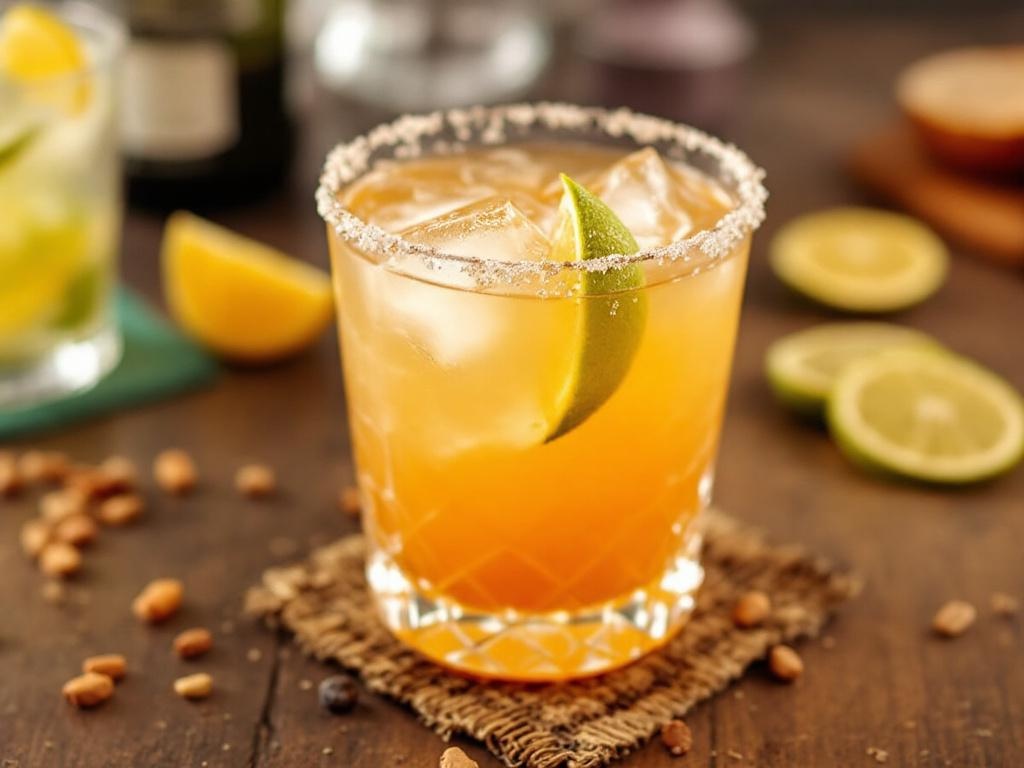
Water and Gin: Simple and Elegant
The quality of water plays a critical role in the production and flavour of gin and carbonated water. From the purity of the water used to the precise dilution process, every aspect of water’s involvement shapes the character of these classic beverages.
Key Takeaways
- Water is a vital component, impacting the overall taste and quality of gin.
- The purity of water used can enhance or mask flavours.
- Water constitutes a large portion of the final product through the dilution step.
- Local spring water or natural reservoirs are preferred by distillers for their mineral composition and balance.
- Carbonated water plays a crucial role in the classic gin and tonic pairing.
The Importance of Water Quality in Gin Production
Water is a fundamental ingredient in the distillation process, making up the base for both gin and carbonated water. The purity and mineral composition of the water used can significantly impact the final flavour profile of the gin. Distillers carefully select their water sources, often preferring local spring water or natural reservoirs for their balanced mineral content.
To ensure optimal gin production, strict water quality standards must be maintained. The pH balance for fermentation should be between 5.2 and 5.6, as improper pH can inhibit yeast activity, leading to incomplete fermentation and lower alcohol yields. Additionally, chlorine and chloramines found in tap water can cause off-flavours and unwanted chemical reactions, while heavy metals and organic matter can result in cloudiness, discoloration, or safety concerns.
To address these issues, reverse osmosis (RO) filtration is often employed, removing 90-99% of contaminants in the water. Deionized water is preferred for cutting back gin to bottling strength, ensuring a consistent and high-quality final product.
The Role of Water in the Gin Distillation Process
Water plays a crucial role throughout the gin distillation process. During the initial dilution, the alcohol content is reduced to approximately 50% by volume before botanical steeping. The stills are then heated to 80°C, allowing the alcohol, which boils at 78.3°C, to vaporize while the liquid water remains behind.
As the vapour travels through the copper surfaces of the still, it condenses into a progressively purer and smoother liquid. The water used for cooling and condensation plays a crucial role in the efficiency of the alcohol separation process.
Furthermore, water is essential in the fermentation stage, serving as the base for mashing grains and dissolving sugars. The final dilution to bottling strength also relies on purified water to create the finished product.
The Gin and Tonic Pairing: Water’s Hidden Role
The classic gin and tonic pairing has deep roots in British colonial history. Tonic water was originally developed as a malaria preventative drink in tropical colonies, with British colonial forces consuming 700 tons of cinchona bark annually by the 1840s for quinine doses.
The first commercialized tonic water was introduced in 1858 by Erasmus Bond, with Schweppes later introducing their “Indian Quinine Tonic” in 1870. The recommended professional ratio for a gin and tonic is one part gin to two parts tonic, with the lime garnish preventing scurvy in the classic preparation.
Conclusion
The quality of water is paramount in the production and enjoyment of gin and carbonated water. From the careful selection of water sources to the precise dilution and filtration processes, every aspect of water’s involvement shapes the character and balance of these classic beverages. By understanding the critical role of water, gin enthusiasts and mixologists can elevate their creations to new heights.
Sources:
Flavorman: “How Gin Met Tonic: Origins of the Perfect Pairing”
Difford’s Guide: “Gin production”
MICHELIN Guide: “How To Pair Tonic Water With Your Gin”
Conniption Gin: “Exploring Gin Production Processes and Ingredients”
Tasting Table: “12 Little-Known Facts About The Gin And Tonic”
G Still: “Why Water Quality Matters in Distillation”
Sipsmith: “Our Process | How to Make Gin”
Sipsmith: “50 Surprising and Delightful Gin Facts”
Distillery University: “The Role of Water in Craft Distilling: Why It Matters”
Kew: “Just the tonic: A natural history of tonic water”
Miss Brewbird (YouTube): “Which Type of Filtered Water Should You Use To Cut Back Gin?”
