


As the global espresso market continues to thrive, coffee enthusiasts in the UK are embracing the rich flavours and energising effects of this beloved beverage. Espresso has become a staple in many British households and cafés, offering a quick caffeine boost and a versatile base for an array of quick cocktails and indulgent coffee drinks.
Key Takeaways:
- Espresso is the second most popular coffee drink worldwide, leading in 14 countries including the UK.
- A typical 30 ml espresso shot contains 65 mg of caffeine, less than a 240 ml drip coffee’s 95 mg.
- Popular espresso drink types include Cappuccino, Latte, Mocha, and Macchiato, among others.
- Arabica beans make up 80% of global coffee production and are the primary choice for espresso.
- Over 100 coffee varieties exist, with around 10 widely used for espresso.
Espresso’s Global Dominance
The North America Espresso Coffee Market was valued at £2,517.17 million in 2021 and is projected to reach £3,531.83 million by 2029, growing at a CAGR of 3.70%. This surge in popularity is mirrored worldwide, with espresso being the second most popular coffee drink globally, leading in 14 countries including Canada, Germany, Greece, Egypt, and the United States. In the US, espresso is the top choice in 28 states and 42 of the largest cities.
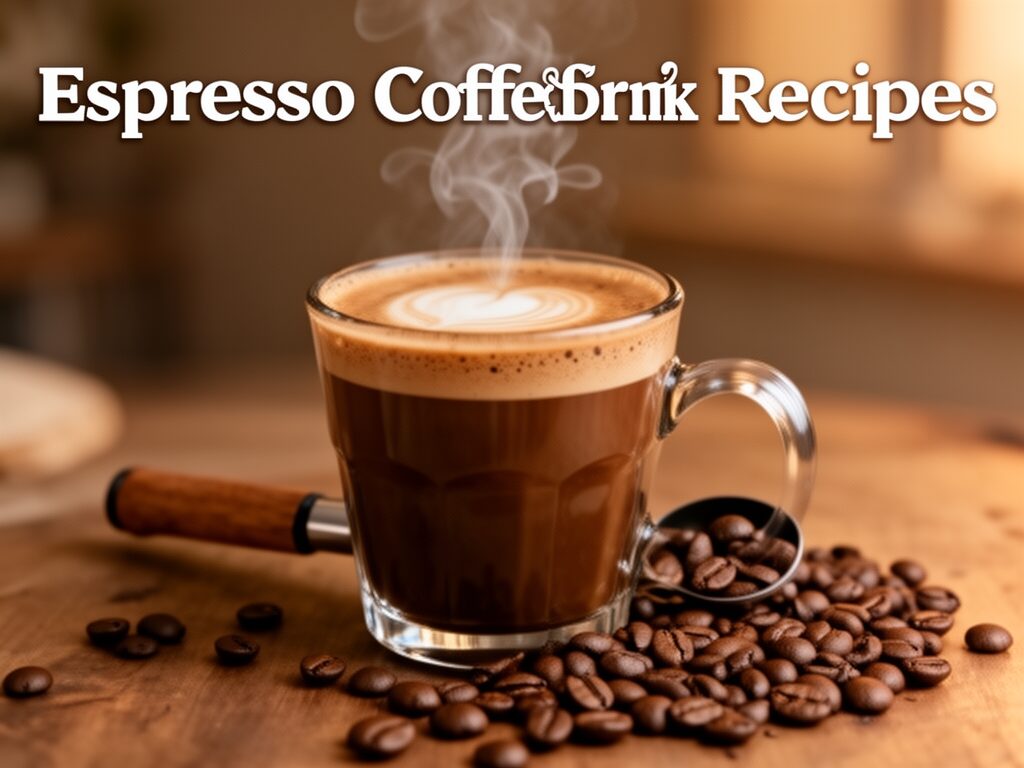
Espresso Basics and Caffeine Content
Espresso is a concentrated coffee made by forcing hot water under high pressure through finely ground beans, a technique that originated in Italy. A typical 30 ml serving of espresso contains approximately 65 mg of caffeine, less than the 95 mg found in a 240 ml drip coffee, despite its higher concentration. A double shot (2 oz from 14g grounds) of espresso yields around 126 mg of caffeine.
Popular Espresso Drink Types
The core types of espresso-based drinks include Pure Espresso, Double Espresso (Doppio), Ristretto, Cappuccino, Latte, Mocha, and Macchiato (short/long). Other variations include the Americano, Red Eye (drip coffee + 1 espresso shot), Black Eye (drip coffee + 2 shots), and Dead Eye (drip coffee + 3 shots). For a richer, creamier experience, there’s the Espresso Con Panna, while the Long Black offers a bold, full-bodied alternative.
Coffee Bean Varieties for Espresso
The primary beans used for espresso are Arabica (accounting for 80% of global coffee production, with 1-1.5% caffeine content and a soft, nutty flavour) and Robusta (higher in caffeine, with a bitter, strong taste). Liberica beans, while less common, are also sometimes used, offering an aromatic profile and pest resistance.
In addition to these well-known varieties, there are also rarer coffee bean types such as Charrieriana, Magnistipula, Racemosa (0.38% caffeine), Dewevrei, Abeokutoe, and Cogencis. In total, there are over 100 coffee varieties, with approximately 10 being widely used for espresso.
Conclusion
As the espresso market continues to thrive in the UK and across the globe, coffee enthusiasts can explore a vast array of espresso-based drink recipes to satisfy their caffeine cravings. From classic favourites to creative espresso cocktails, the possibilities are endless for those seeking an energising and indulgent coffee experience.
Sources:
North America Espresso Coffee Market
Coffeeness.de
Caffeborboneamerica.com
Wikipedia
Naivocoffee.com
Cafe1820.com
World Coffee Research
Home-barista.com
Clivecoffee.com
