

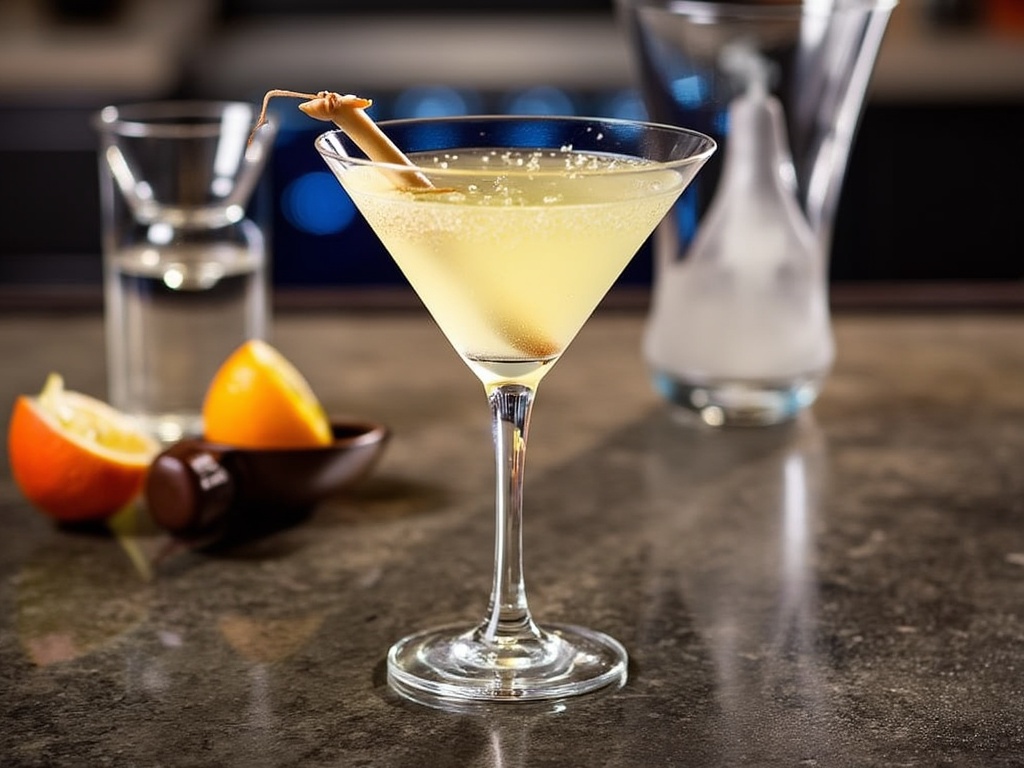
The dry martini is a legendary cocktail that has captivated bartenders and connoisseurs alike for over a century. Tracing its origins to the early 20th century, this iconic beverage has evolved and transformed, reflecting the changing tastes and preferences of drinkers worldwide.
Key Takeaways:
- The dry martini was first invented in the early 1900s, with the “Marguerite Cocktail” from 1904 considered an early form
- During Prohibition, gin’s accessibility made the martini the most prominent cocktail
- Post-Prohibition, access to high-quality gin led to cocktails becoming significantly drier
- By 1922, the martini reached its recognizable form with London dry gin and dry vermouth at a 2:1 ratio
- Ratios can range from a “wet” 1:1 to an extremely “dry” 15:1, with the standard being 5:1 or 6:1
The Origins and Evolution of the Dry Martini
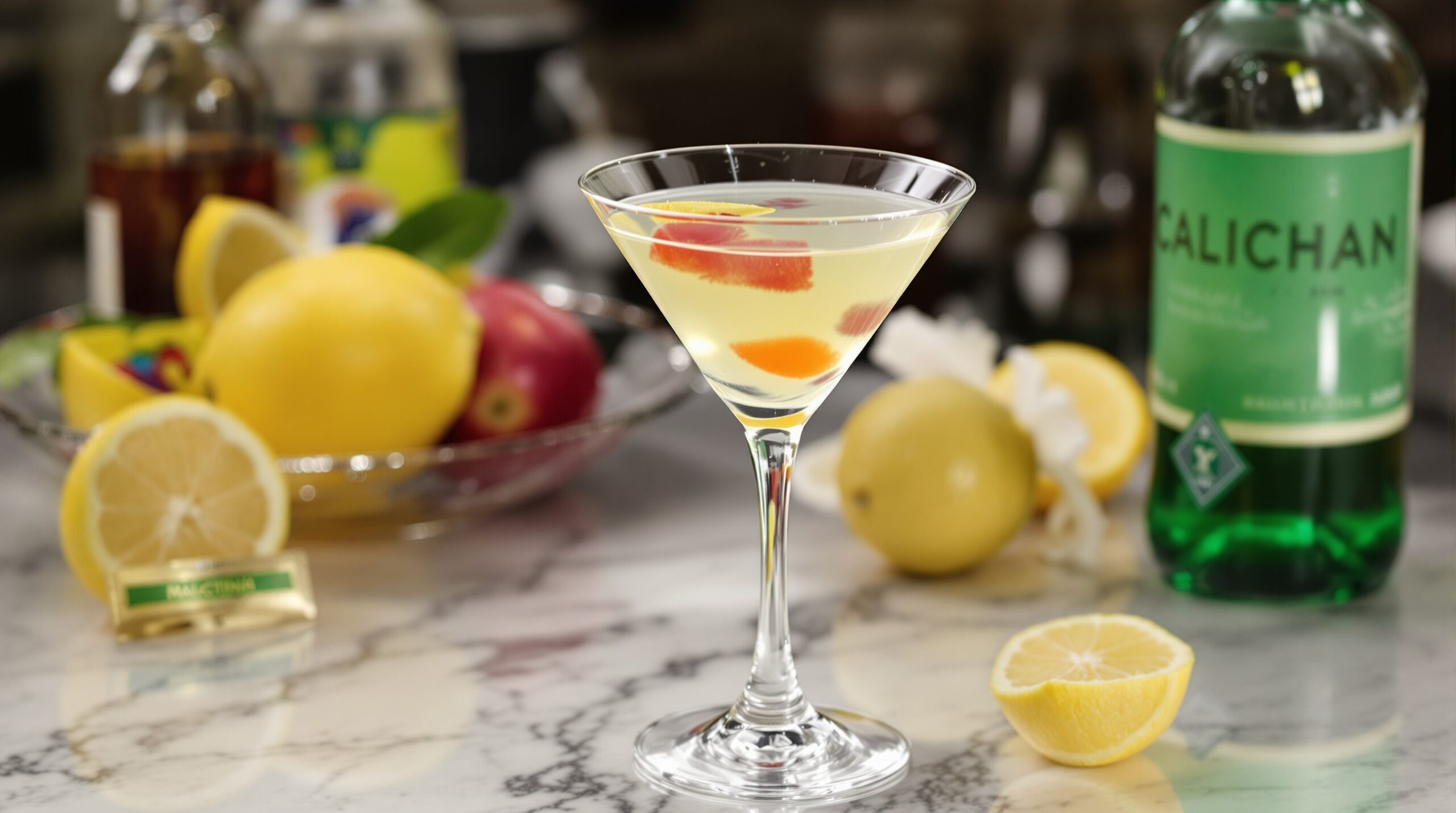
The dry martini was first invented by a bartender at the Knickerbocker Hotel in New York City in 1911 or 1912[1]. The “Marguerite Cocktail” from 1904 is considered an early form, made with Plymouth dry gin and dry vermouth with orange bitters[1]. During Prohibition (mid-20th century), gin’s accessibility made the martini the most prominent cocktail[1]. Post-Prohibition, access to high-quality gin made cocktails significantly drier[1]. By 1922, the martini reached its recognizable form with London dry gin and dry vermouth at a 2:1 ratio[5].
Dry Martini Ratios and Variations
The dry martini can be crafted with a wide range of gin-to-vermouth ratios, from a “wet” 1:1 “Fifty-Fifty” to an extremely “dry” 15:1 “Montgomery’s”[2]. Standard ratios include: 2:1 “Wet”, 4:1, 5:1 “Dickens”, 7:1 “Embury’s”, 10:1, and 15:1 “Montgomery’s”[2]. During the 1930s, the standard ratio was 3:1; in the 1940s, it was 4:1; and in the late 20th century, it became 5:1 or 6:1[5]. Extremely dry variations can reach 8:1, 12:1, or 15:1 ratios[5]. A “perfect martini” uses equal amounts of sweet and dry vermouth[5].
Preparation Methods and Techniques
The standard method for preparing a dry martini involves stirring the ingredients with ice in a mixing glass and then straining the mixture into a chilled glass[1][3]. A three-step process includes combining the ingredients with ice, julep straining, and garnishing with olives[1]. The shaking vs stirring debate centers on the fact that shaking makes the drink colder and more dilute, while amplifying the vermouth flavor, whereas stirring is recommended for a 5:1 ratio and shaking for a 10:1 ratio[2]. Proper technique involves chilling the glass beforehand and using cubed ice[1].
Ingredients and Specifications
The primary ingredients in a dry martini are 60ml of gin or vodka and 10ml (1 bar spoon) of dry vermouth[1][3]. Gin is a clear liquor distilled with botanicals, primarily juniper, flowers, and dried fruit[1]. Vodka is a clear, unaged spirit from fermentable sugars, typically 40% ABV with 148 calories[1]. Dry vermouth is an aromatic, fortified wine strengthened with neutral grape spirit, 15% ABV with 45 calories[1]. Garnish options include 2 olives on a cocktail stick or a lemon peel oil[1][3].
Conclusion
The dry martini is a timeless cocktail that has evolved over the decades, reflecting the changing tastes and preferences of drinkers. From its origins in the early 20th century to its current status as a beloved classic, the dry martini continues to captivate bartenders and enthusiasts alike. Whether you prefer a “wet” or “dry” variation, understanding the history and techniques behind this iconic drink can enhance your appreciation and enjoyment of this sophisticated and versatile libation.
Sources:
European Bartender School – “Dry Martini Recipe”
Difford’s Guide – “Dry Martini Ratios” by Simon Difford
International Bartenders Association – “Dry Martini”
Tanqueray – “Tanqueray London Dry Gin Dirty Martini Cocktail Recipe”
Wikipedia – “Martini (cocktail)”
