


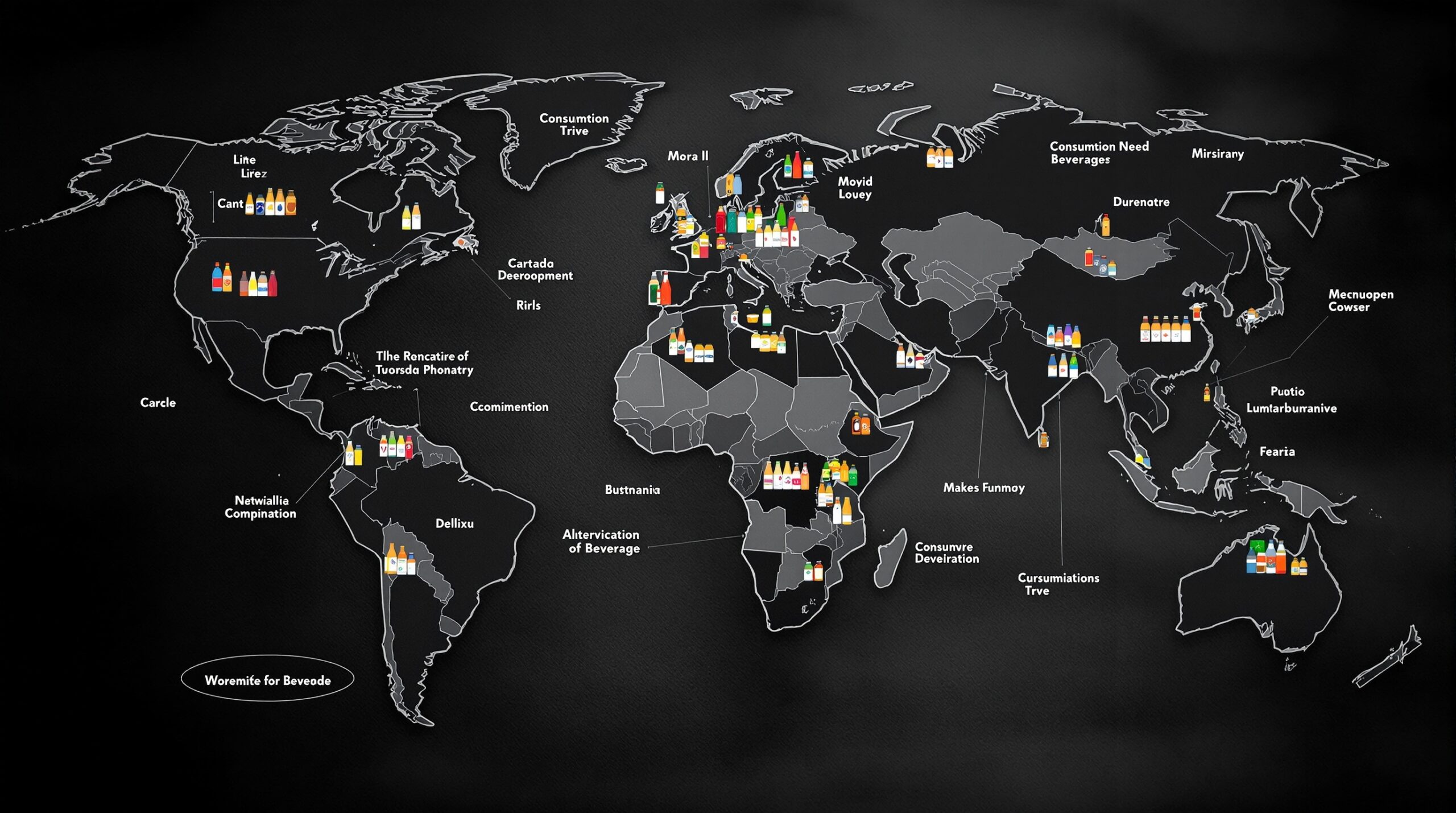
As the world’s population continues to grow, so does the demand for beverages. From the humble water to the beloved tea and coffee, understanding the most consumed beverages globally provides valuable insights into consumer preferences and trends. This article explores the top drinks that people around the world reach for on a daily basis.
Key Takeaways:
-
- Water is the number one beverage globally, accounting for over half of all beverage consumption worldwide.
- Tea is the second most consumed beverage, with 3.8 billion cups consumed daily around the world.
-
- Coffee ranks third, with 2.25 billion cups consumed daily globally and is the most consumed drink in the United States.
-
- While soft drinks remain popular, global trends show a decline in consumption of sugar-sweetened sodas and a rise in zero- and low-sugar options.
- There is a growing demand for functional drinks enhanced with vitamins, proteins, or probiotics for health benefits.
Water: The Essential Elixir
As the most consumed beverage in the world, water accounts for over half of all beverage consumption globally. In 2024, packaged water consumption surpassed 520 billion litres, with Mexico leading North America with an annual per capita consumption of 74 gallons. Leading water brands like Nongfu Spring have recognised the importance of purity and sustainability as key selling points. The popularity of water is largely due to its essential role in hydration and its calorie-free, health-supporting nature.
Tea: The Global Tradition
Tea is the second most consumed beverage in the world, with 3.8 billion cups consumed daily. Originating in China over 5,000 years ago, tea is deeply woven into cultures across Asia, Europe, and the Middle East. The top tea producers are China and India, and the leading commercial brand is Lipton. Tea offers a range of health benefits, including being rich in antioxidants and supporting immunity and reducing inflammation.
Coffee: The Global Wake-Up Call
Coffee ranks third, with 2.25 billion cups consumed daily around the world. Coffee’s caffeine, distinctive taste, and social customs drive its consumption. The major producing countries are Brazil and Vietnam, and the leading mass-market brand is Nescafé. Consumption has shifted towards ready-to-drink (RTD) coffee and premium, ethically-sourced beans. Coffee is now the most consumed beverage in the United States, with 66% of American adults drinking coffee every day and an average of 3 cups per day.
Evolving Beverage Landscape
Soft drinks (sodas) remain among the most popular manufactured beverages worldwide, but global trends show a decline in consumption of sugar-sweetened sodas and a rise in zero- and low-sugar options. Alcoholic beverages are globally significant but rank below water, tea, and coffee in total volume; beer, wine, and ready-to-drink (RTD) cocktails are the most widely consumed, with RTDs being a rapidly growing segment. Additionally, there is a growing demand for functional drinks – beverages enhanced with vitamins, proteins, or probiotics for health benefits. Emerging and regional trends include bubble tea (boba), specialty sodas, and traditional drinks like sake and soju.
Conclusion
The most consumed beverages in the world reflect the diverse preferences and cultural traditions of people globally. From the essential water to the beloved tea and coffee, these top drinks continue to evolve, driven by changing consumer demands and emerging market trends. As the beverage landscape adapts to meet the needs of a growing population, understanding the consumption patterns of these most consumed beverages provides valuable insights for businesses, policymakers, and consumers alike.
Sources:
Nongfu Spring
Lipton
Nescafé
Coca-Cola
Pepsi
“Top 10 World’s Most Consumed Beverage: Global Trends & Insights”
“2025 Trends Shaping the Beverage Industry”
“2025 Alcohol and Beverage Trends: Key Statistics on What’s Next for Beverages”
“Unpacking 2025 Beverage Trends”
“New report reveals US’ most consumed beverage”
