

Introduction
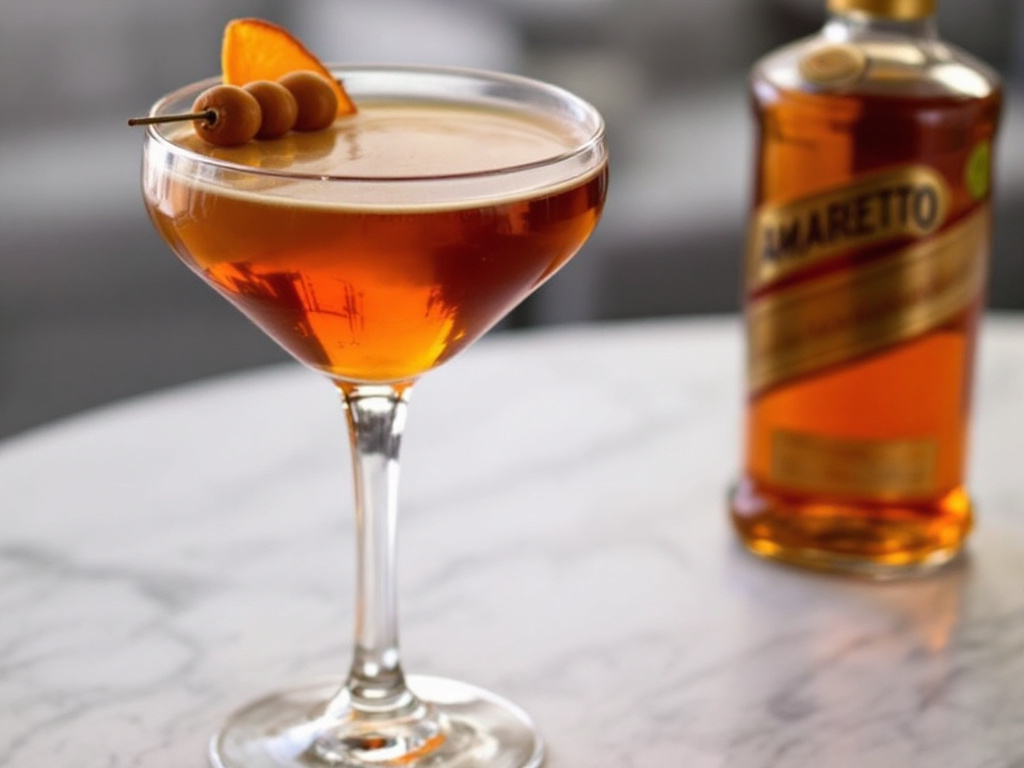
Amaretto cocktails blend sweet almond-flavoured Italian liqueur with spirits, juices and mixers to create versatile drinks ranging from the classic Amaretto Sour to the creamy Godfather. This guide covers the essential recipes, techniques and buying tips I rely on when crafting these smooth, nutty cocktails at home or behind the bar.
Key Takeaways
- Amaretto is an Italian almond-flavoured liqueur, typically bottled between 21% and 28% ABV.
- The Amaretto Sour remains the most popular serve, balancing sweetness with fresh lemon juice.
- Quality brands like Disaronno and Lazzaroni offer distinct flavour profiles worth exploring.
- Amaretto pairs beautifully with whisky, coffee and cream for rich, dessert-style drinks.
- Expect to pay between £18 and £30 for a quality 70cl bottle in the UK.
What Is Amaretto?
Amaretto is a sweet Italian liqueur traditionally made from apricot kernels or almonds, giving it that signature marzipan-like flavour. The name itself comes from the Italian word “amaro”, meaning bitter, which hints at its gentle almond edge beneath the sweetness. Most bottles sit around 24% ABV, making it approachable for sipping and mixing alike.
The liqueur dates back to 16th-century Saronno, Italy, where legend credits an innkeeper with creating the first recipe. Today, brands like Disaronno, Lazzaroni and Luxardo dominate the category. Each offers subtle differences in sweetness, nuttiness and finish, so it’s worth tasting a few before committing to a favourite.

Classic Amaretto Cocktails Worth Mastering
I always recommend starting with a handful of timeless recipes before experimenting. These drinks showcase amaretto’s versatility while teaching fundamental mixing techniques. Moreover, they’re forgiving enough for beginners yet refined enough to impress seasoned drinkers.
Here are the classic amaretto cocktails I return to time and again:
- Amaretto Sour – 50ml amaretto, 25ml fresh lemon juice, 15ml sugar syrup, optional egg white. Shake hard and strain over ice.
- Godfather – 45ml Scotch whisky and 15ml amaretto, stirred over ice in a rocks glass.
- Godmother – Swap the Scotch for vodka for a lighter alternative.
- French Connection – Equal parts amaretto and Cognac, served neat or over ice.
- Amaretto Coffee – A warming blend of espresso, amaretto and whipped cream.
For a modern twist, try adding a dash of Angostura bitters to your Amaretto Sour. Additionally, swapping sugar syrup for maple syrup adds a lovely autumnal depth. If you enjoy exploring different mixers, my guide to cocktail search by ingredient helps you build drinks around what’s already in your cabinet.
Choosing the Right Amaretto
Not every bottle delivers the same experience, so picking the right amaretto matters. Disaronno, the market leader, offers a smooth and intensely sweet profile with vanilla and marzipan notes. Lazzaroni, by contrast, uses a traditional recipe with amaretti biscuit infusion, giving a drier and more complex taste.
Here’s what I look for when buying amaretto in the UK:
- ABV strength – higher proof bottles (around 28%) mix better in robust cocktails.
- Ingredient base – apricot kernel versus almond affects nuttiness and bitterness.
- Sweetness level – drier styles suit stirred drinks; sweeter styles shine in sours.
- Price point – expect £18 to £30 for a 70cl bottle at most UK retailers.
For home bars, I’d suggest Disaronno as a safe starter. However, if you want something more artisanal and complex, Lazzaroni Amaretto 1851 is worth the extra pounds. Luxardo Amaretto di Saschira sits comfortably in the middle, offering balance and value.
Tips for Perfect Amaretto Cocktails
Technique matters just as much as ingredients. For example, always use freshly squeezed lemon juice in sours; bottled juice tastes flat and overly acidic. Furthermore, chill your glassware beforehand to maintain temperature and texture.
Here are my top tips for consistently brilliant results:
- Shake sours with egg white for a silky foam top that elevates presentation.
- Use large ice cubes in stirred drinks to prevent rapid dilution.
- Balance amaretto’s sweetness with citrus, bitters or a splash of dry vermouth.
- Garnish with a brandied cherry or lemon twist for aroma and visual appeal.
- Store opened bottles away from direct sunlight to preserve flavour.
If you fancy branching out, amaretto also plays nicely alongside bitter Italian liqueurs. Consequently, you might enjoy my breakdown of Negroni ingredients for a contrasting flavour experience. For broader inspiration, my cocktail ingredients guide covers everything from spirits to syrups.
Conclusion
Amaretto remains one of the most rewarding liqueurs to work with, offering sweetness, warmth and nutty complexity in equal measure. Whether you’re shaking a classic Amaretto Sour or stirring a Godfather, the key lies in quality ingredients and sound technique. With the right bottle on your shelf and a few trusted recipes, you’ll craft memorable drinks that suit any occasion.
Sources:
