Brandy Alexander
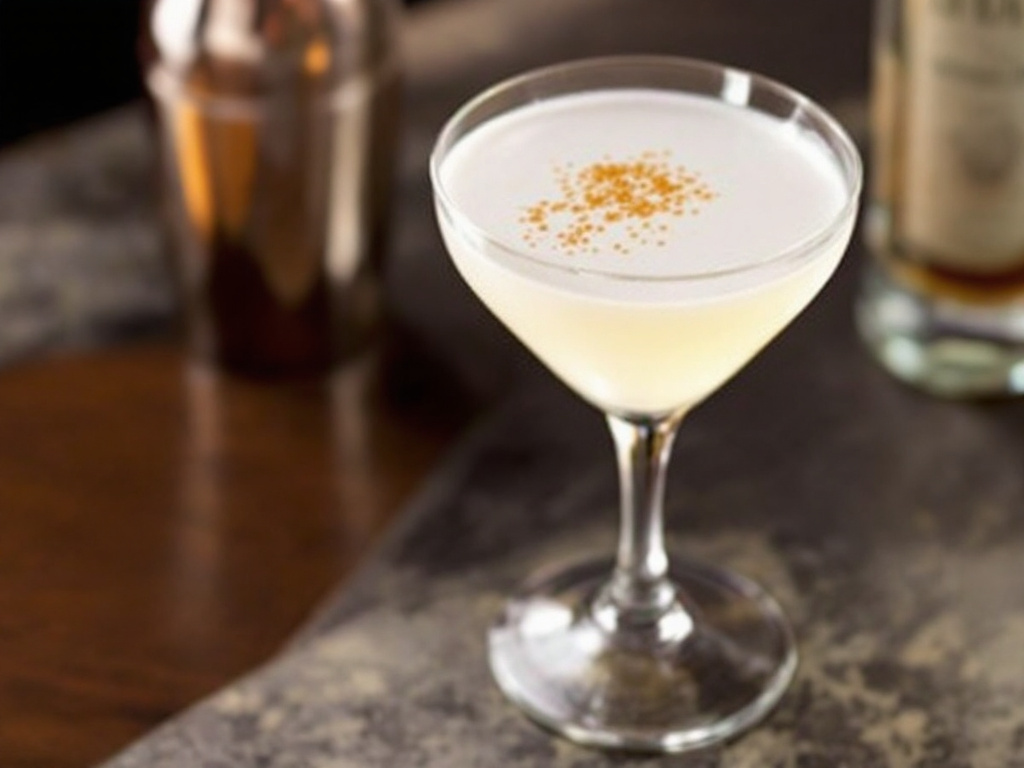
The Brandy Alexander is a creamy, cognac-based classic cocktail that blends brandy, crème de cacao and fresh cream into a dessert-style drink first popularised in the early 20th century. This guide covers its history, precise measurements, technique tips and modern variations, giving both beginners and experienced mixologists everything needed to serve it perfectly.
In this guide
Key Takeaways
- The Brandy Alexander uses equal parts brandy, dark crème de cacao and double cream, shaken hard with ice.
- A dusting of freshly grated nutmeg is the traditional garnish and elevates the aroma dramatically.
- Chilled coupe glasses and quality cognac deliver the smoothest, most balanced result.
- The cocktail rose to fame in the 1920s and enjoyed a revival thanks to John Lennon in the 1970s.
- Modern twists include frozen, vegan and coffee-infused versions for contemporary palates.
The Origins and History of the Brandy Alexander
The Brandy Alexander has a colourful past that stretches back over a century. Most bartenders credit its creation to Troy Alexander, a bartender at Rector’s in New York, around 1922. Originally, the drink was gin-based, however brandy quickly replaced the spirit for a richer profile. Consequently, the cognac version became the definitive recipe.
By the mid-20th century, it had become a dessert cocktail favourite at hotel bars across London and Paris. Interestingly, John Lennon reportedly drank several during a famous 1974 night out with Harry Nilsson. Therefore, the cocktail gained a rock-and-roll edge alongside its refined reputation.
Classic Brandy Alexander Recipe and Ingredients
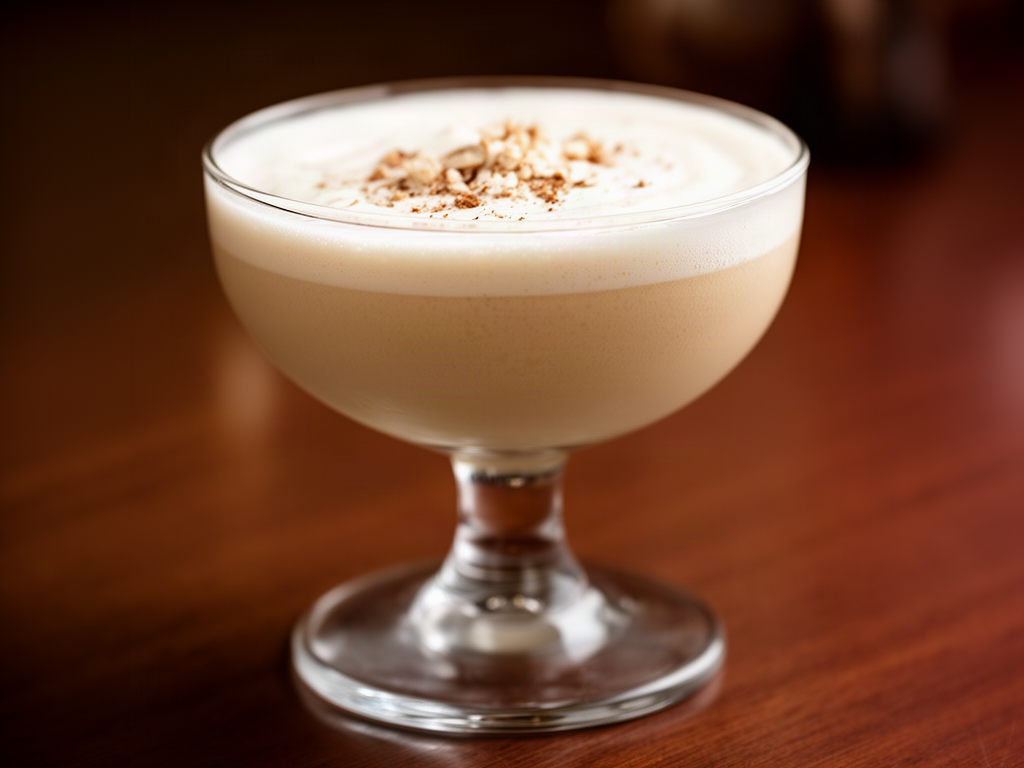
Making a proper Brandy Alexander at home is refreshingly simple. I recommend using equal measures for the cleanest balance. Additionally, always chill your glassware first.
Here are the ingredients you’ll need for one serving:
- 30ml cognac or VS/VSOP brandy
- 30ml dark crème de cacao
- 30ml double cream (or single for a lighter texture)
- Freshly grated nutmeg, to garnish
- Ice cubes for shaking
To prepare, add all liquid ingredients to a shaker with ice. Then shake hard for around 15 seconds until well-chilled. Finally, double strain into a chilled coupe and dust with nutmeg. For comparison with a lighter aperitif, you might enjoy this Aperol Spritz guide alongside your dessert cocktail collection.
Choosing the Right Brandy and Crème de Cacao
Ingredient quality makes a substantial difference. For the brandy, I favour a VSOP cognac such as Hennessy, Martell or Rémy Martin. However, an Armagnac or a decent Spanish brandy works beautifully too. Consequently, avoid harsh, cheap spirits as their bite cuts through the cream.
For crème de cacao, always choose the dark version rather than white. Dark crème de cacao adds depth, colour and a subtle bitterness. Moreover, brands like Tempus Fugit and Marie Brizard deliver superb results. If you’d like to compare spirit profiles further, my article on Aperol vs Campari explores how bitterness shapes cocktails.
Expert Tips for the Perfect Brandy Alexander
Small details separate a good Brandy Alexander from a great one. Firstly, use fresh double cream, ideally straight from the fridge. Secondly, shake vigorously; the drink needs proper aeration for that signature silky texture. Additionally, double-straining removes any ice shards.
Consider these professional refinements to elevate the drink:
- Pre-chill your coupe glass in the freezer for 10 minutes.
- Grate whole nutmeg at the table for maximum aroma.
- Use a Boston shaker for better temperature control.
- Serve immediately, as separation begins within minutes.
- For extra richness, substitute 10ml of the cream with vanilla ice cream.
Furthermore, some bartenders add a tiny dash of chocolate bitters to deepen the cocoa notes. Therefore, don’t be afraid to experiment once you’ve mastered the classic.
Popular Variations and Modern Twists
The Brandy Alexander has inspired many creative reinterpretations. For example, the Frozen Alexander blends all ingredients with ice cream for a decadent dessert. Additionally, coffee lovers often swap crème de cacao for coffee liqueur to create a mocha-style version.
Here are some standout variations worth trying:
- Alexander the Great – adds vodka and coffee liqueur for extra kick.
- Vegan Brandy Alexander – uses oat or coconut cream as a dairy-free alternative.
- Panama Cocktail – substitutes white rum for brandy.
- Blue Alexander – incorporates blue curaçao for visual drama.
- Chocolate Alexander – includes a chocolate liqueur rim on the glass.
Moreover, seasonal spins featuring pumpkin spice or peppermint have become popular during winter months. Consequently, this cocktail remains genuinely versatile for any occasion. If you’re building a broader cocktail repertoire, my Aperol Spritz recipe makes an excellent lighter contrast.
Serving Suggestions and Food Pairings
The Brandy Alexander works best as an after-dinner drink. Its creamy sweetness makes it a natural digestif, particularly following a rich meal. Furthermore, it pairs beautifully with chocolate-based desserts, cheese boards and coffee.
Some of my favourite pairings include:
- Dark chocolate truffles or brownies
- Aged cheddar or Stilton
- Espresso or ristretto coffee
- Roasted nuts and dried figs
- Tiramisu or crème brûlée
For entertaining, I typically serve the cocktail in batched form for parties of six or more. Simply multiply ingredients, chill in advance and shake individual portions when serving. Therefore, guests receive fresh, properly aerated cocktails without keeping you stuck behind the bar.
Common Mistakes to Avoid
Several pitfalls can ruin an otherwise perfect Brandy Alexander. Firstly, using low-quality brandy creates a rough, unpleasant finish. Secondly, insufficient shaking leaves the drink flat and poorly integrated. Additionally, skipping the nutmeg garnish removes a crucial aromatic layer.
Watch out for these frequent errors:
- Substituting single cream for double without adjusting proportions
- Using pre-ground nutmeg instead of fresh
Sources:
International Monetary Fund – World Economic Outlook
International Monetary Fund – Fiscal Monitor
World Bank – Global Economic Prospects
World Bank – Global Findex
OECD – Economic Outlook
OECD – Productivity Statistics
World Trade Organization – Statistics
UNCTAD – Trade and Development
United Nations – World Population Prospects
UNHCR – Global Trends
International Energy Agency – World Energy Outlook 2024
International Energy Agency – Global Energy Investment
World Inequality Database
Bank for International Settlements – Statistics
US Bureau of Labor Statistics
Eurostat
Office for National Statistics
McKinsey Global Institute
Bloomberg NEF
European Commission – European Green Deal
Congressional Budget Office
Federal Reserve
European Central Bank
Bank of England
World Bank – Poverty
US Inflation Reduction Act
US CHIPS and Science Act