


Cocktail Drinks: Recipes and Tips
Introduction
In the ever-evolving world of cocktails, consumers are increasingly seeking healthier and low-sugar options to enjoy their favourite drinks. From gin and tonics to margaritas, the demand for low-calorie, low-ABV and zero-sugar cocktails is on the rise, particularly among Gen Z and Millennials.
Key Takeaways
- Growing Demand for low-sugar, low-calorie, low-ABV and zero-sugar drinks, especially among younger consumers.
- Consumers are moving away from sugar-sweetened beverages towards zero-sugar and naturally sweetened options.
- No- and low-alcohol volumes are forecast to grow about 4% per year from 2024–2028, with the no-alcohol segment at +7% volume CAGR.
- Calories in cocktails mainly come from alcohol and sugar; non-alcoholic or low-alcohol products typically have fewer calories.
- Beverage brands increasingly market zero sugar or no added sugar options as better-for-you choices.
The Growing Trend: Less Sugar, Less Alcohol, More “Better-For-You”
The shift towards healthier drink choices is underpinned by a growing consumer focus on wellness and reduced sugar intake. Younger consumers, in particular, are embracing cocktail drinks with lower sugar and alcohol content, seeing them as a healthier alternative to traditional sugary cocktails.
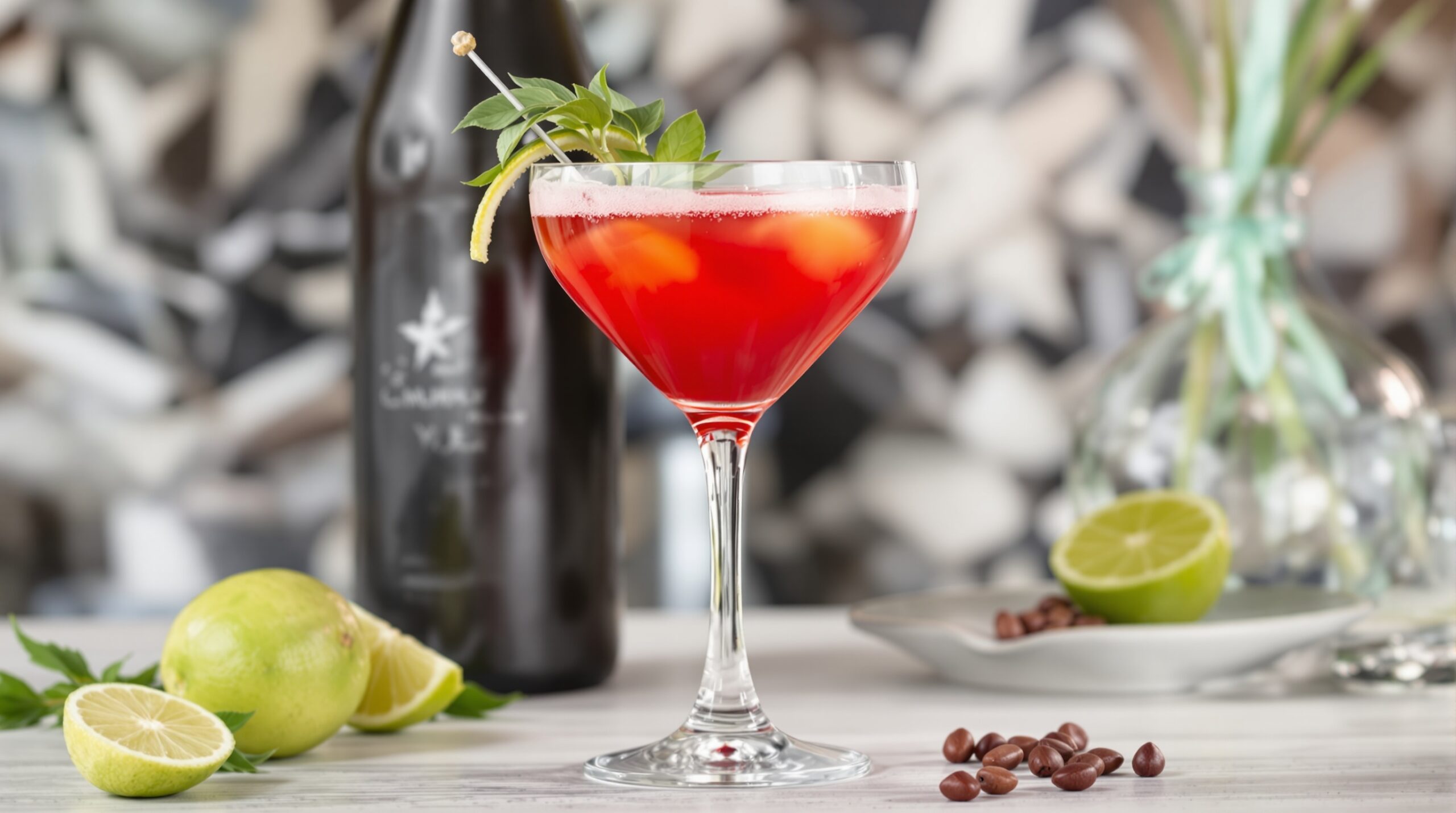
In fact, no- and low-alcohol products already account for a material and growing share of total volumes in ten leading markets. Moreover, the global no- and low-alcohol market is expected to increase at around 4% CAGR from 2024–2028, driven strongly by younger cohorts.
Decoding “Healthier” Drinks: Sugar, Calories, and Alcohol
When it comes to cocktail drinks, the calorie and sugar content are key factors that consumers consider when making healthier choices. Calories in cocktails mainly come from alcohol and sugar, with 1 gram of alcohol containing ~7 kcal and 1 gram of sugar around 4 kcal.
Interestingly, non-alcoholic or low-alcohol products typically have fewer calories than their full-strength counterparts, especially when they are also low in sugar. Many non-alcoholic beers and spirits are also formulated to be low in sugar, often because alcohol is removed after fermentation without adding large amounts of sweeteners.
Ingredients & Strategies for Low Sugar Liquor Drinks
When it comes to creating low-sugar cocktail drinks, there are several key ingredients and strategies that can be employed. Sugar-free or zero sugar mixers, such as soda water, unsweetened tonic, or diet cola, can be used in place of their sugary counterparts.
Additionally, natural low- or no-calorie sweeteners, like stevia and monk fruit, can be substituted for traditional sugar in cocktail recipes. Many better-for-you beverages also emphasize botanical ingredients and fruits for flavour instead of heavy added sugars.
Low Sugar Twists on Classic Cocktails
To create low-sugar versions of classic cocktail drinks, a few simple tweaks can be made. This includes reducing the use of syrups and juices, substituting sugar-free mixers or natural non-calorie sweeteners, and lowering the total sugar and calories per drink.
For example, a Low Sugar Gin & Tonic can be made by swapping regular tonic (high in sugar) for diet/light tonic or soda water, plus a small amount of lime and stevia. A Skinny Margarita can be created using tequila, lime juice, soda water, and a small amount of monk fruit or stevia syrup instead of sugary margarita mix or triple sec.
Low Sugar Ready-To-Drink (RTD) & Canned Cocktail Options
The growing demand for low-sugar, low-calorie, and low-ABV cocktail drinks has also led to the rise of ready-to-drink (RTD) and canned cocktail options. These pre-mixed beverages often highlight low sugar or no added sugar as key product features, catering to the wellness-oriented consumer.
Some examples of low-sugar RTD and canned cocktail options include vodka sodas with natural flavours and 0 g of sugar, tequila seltzers flavoured with lime, grapefruit, or pineapple, and non-alcoholic RTD mocktails sweetened with stevia or monk fruit.
Conclusion
As the demand for healthier, low-sugar and low-alcohol cocktail drinks continues to grow, particularly among younger consumers, the beverage industry is responding with a wealth of innovative low-sugar and better-for-you options. From custom cocktail recipes to ready-to-drink and canned alternatives, there are now more delicious and nutritious ways than ever to enjoy classic cocktail drinks.
Sources:
Publicis Sapient – “2025 Trends Shaping the Beverage Industry”
Innova Market Insights – “Low Alcohol Beverage Market Trends in the US”
LearnBrands – “Top Alcohol Industry Trends for 2025: Low/No Alcohol, RTDs and Premiumization”
Sustainalytics – “Tapping Into the Rise of No- and Low-Alcohol – Opportunities and Risks for Beer, Wine, and Spirits Companies”
Penn State Extension – “Alcoholic Beverage Trends 2025”
ANBA (Adult Non-Alcoholic Beverage Association) – “ANBA Industry Statistics”
BeverageDaily – “Global low and no alcohol market data for 2025”
Oh Bev – “Gen Z Alcohol Trends, Consumption and Marketing 2025”
Keurig Dr Pepper – “State of Beverages – 2025 Trend Report”
