

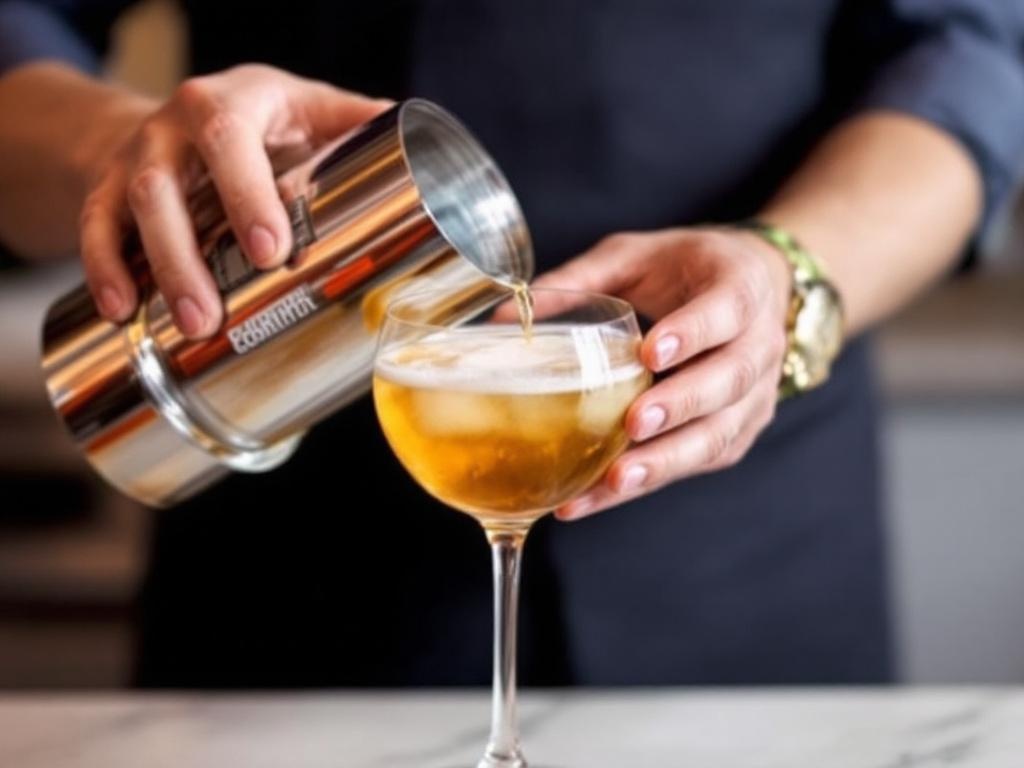
The Sidecar is a timeless and sophisticated cocktail that has graced the menus of bars and lounges across the UK for decades. This classic drink, with its origins tracing back to the early 1920s, has become a staple in the repertoire of any discerning bartender.
Key Takeaways
- Origins of the Sidecar can be traced to either Paris or London in the 1920s, with the name potentially derived from a motorcycle sidecar or the shaker remnants served “on the side”.
- The classic recipe calls for a 2:1:1 ratio of cognac, orange liqueur, and fresh lemon juice, though a 1:1:1 “French school” version also exists.
- Variations on the Sidecar include the Between the Sheets, Bourbon Sidecar, Vodka Sidecar, and Champs Élysées, among others.
- Proper preparation involves shaking the sidecar drink ingredients with ice, then double-straining into a chilled coupe or martini glass, often with a sugared rim.
- Garnishes such as a lemon or orange twist complement the flavour profile of this timeless cocktail.
The Origins of the Sidecar
The Sidecar cocktail has a rich and storied history, with its origins traced back to the early 1920s in either Paris or London. One theory suggests that the name was derived from a customer arriving at a bar by motorcycle sidecar, while an alternative theory links the name to the shaker remnants being served “on the side” in a liqueur glass.

The earliest published recipes for the Sidecar can be found in books by Harry MacElhone and Emile Vermiere, who both used a 1:1:1 ratio of cognac, Cointreau, and lemon juice – a formula known as the “French school.” In contrast, the “English school” recipe from the Savoy Cocktail Book (1930) used a 2:1:1 ratio of cognac, Cointreau, and lemon juice.
The Classic Sidecar Ingredients
The core sidecar drink ingredients include:
– Cognac (such as Hennessy VSOP or Rémy Martin 1738 Accord Royal)
– Orange liqueur (Cointreau, triple sec, or Grand Marnier)
– Fresh lemon juice
Optional additions may include a sugar rim, simple syrup, and a lemon or orange twist garnish.
Recipe Ratios and Variations
While the classic Sidecar recipe calls for a 2:1:1 ratio of cognac, orange liqueur, and lemon juice, there are several other variations and ratios to explore:
– French school: 1:1:1 (1 oz each)
– 1.5 oz cognac, 1 oz dry curaçao, 0.75 oz lemon, 0.25 oz simple syrup
– 3 oz cognac, 2 oz triple sec, 1 oz lemon
– 1½ oz cognac, ¾ oz Cointreau, ¾ oz lemon
– 2 oz Rémy Martin 1738, ¾ oz Cointreau, ¾ oz lemon
Beyond the classic Sidecar, there are also several popular variations, including the Between the Sheets (which adds or substitutes rum), the Bourbon Sidecar, the Vodka Sidecar, the Pegu Club (gin-based), and the Champs Élysées (which adds Chartreuse).
Preparation and Serving
To prepare a classic Sidecar, follow these steps:
1. Chill a coupe or martini glass.
2. Add the sidecar drink ingredients (cognac, orange liqueur, and lemon juice) to a Boston shaker filled with ice.
3. Shake vigorously for 15-20 seconds to chill and dilute the cocktail.
4. Double-strain the mixture into the chilled glass.
5. (Optional) Moisten the rim of the glass with a lemon wedge and dip it in superfine sugar.
6. Garnish with a lemon or orange twist.
Garnishes and Glassware
The Sidecar is traditionally served in a chilled coupe or martini glass, often with a sugared rim. Common garnishes include a lemon twist, an orange twist, or an orange wheel. The sugar rim adds a touch of sweetness to balance the tartness of the lemon juice.
Conclusion
The Sidecar is a timeless and sophisticated cocktail that has captivated cocktail enthusiasts for decades. With its elegant presentation, balanced flavour profile, and rich history, the Sidecar is a must-try for anyone exploring the world of classic cocktails. Whether you prefer the 2:1:1 “English school” or the 1:1:1 “French school” recipe, the Sidecar is sure to delight your palate and transport you to the glamorous era of its origins.
Sources:
Resplendent Kitchen
Cocktail Chemistry Lab
My Forking Life
A Couple Cooks
The Drunkard’s Almanac
Good Food
Rémy Martin USA
Wikipedia
