

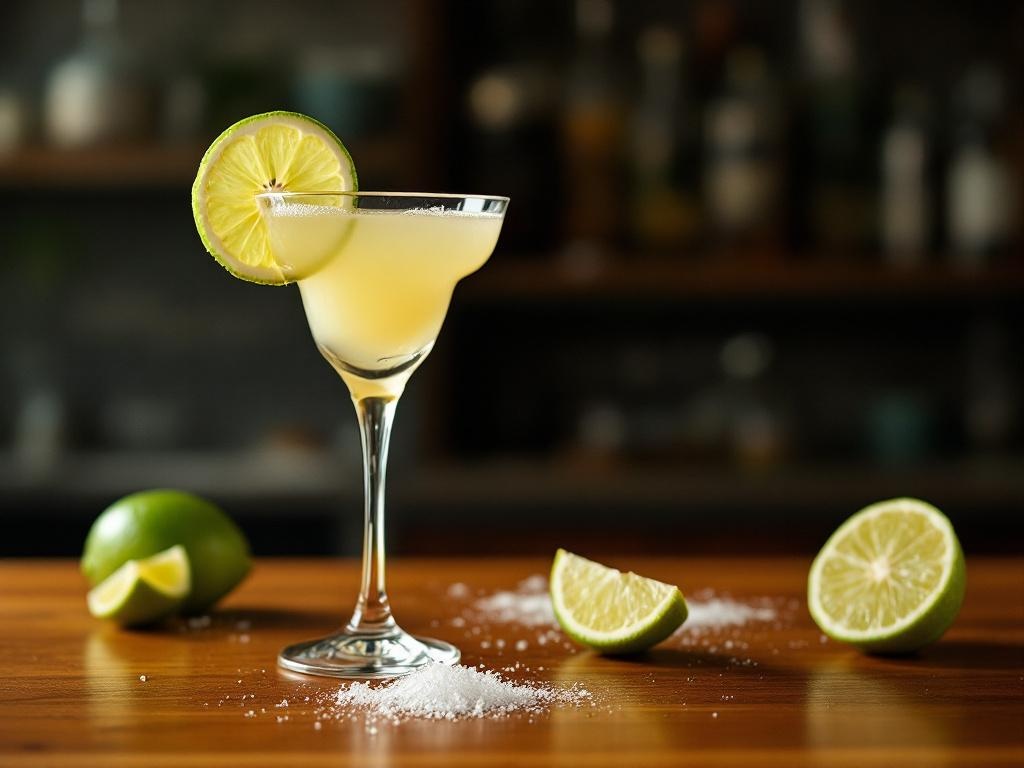
Daiquiris, the iconic Caribbean cocktail, have captured the hearts and palates of discerning drinkers worldwide for over a century. Originating in the sun-drenched beaches of Cuba, these refreshing cocktails made with cranberry juice have evolved from their humble beginnings to become a beloved fixture in the global bartending scene.
Key Takeaways
- Daiquiris were invented in Cuba during the Spanish-American War era by American mining engineer Jennings S. Cox.
- The classic daiquiri recipe features white rum, lime juice, and sugar, often served over cracked ice or shaken with shaved ice.
- Famous daiquiri variations include the Hemingway Daiquiri and the Frozen Daiquiri, popularised in Havana during the 20th century.
- Daiquiris gained widespread popularity in the United States during the Prohibition era, when thirsty tourists flocked to Cuba.
- The daiquiri has become a cultural icon, favoured by renowned figures such as Ernest Hemingway and John F. Kennedy.
Origins of the Daiquiri
The daiquiri has a rich history, tracing its roots back to the late 19th century. According to historical accounts, the cocktail was invented in 1896 or 1898 by American mining engineer Jennings S. Cox near Daiquiri beach in Cuba, during the Spanish-American War era. With a shortage of gin at a local party, Cox improvised by using rum, lime juice, and sugar, creating a refreshing and now-iconic beverage. The drink was named after the nearby town of Daiquiri, which was linked to the US intervention on April 21, 1898, and the subsequent American investment in Cuban mines.
Classic Recipe and Evolution
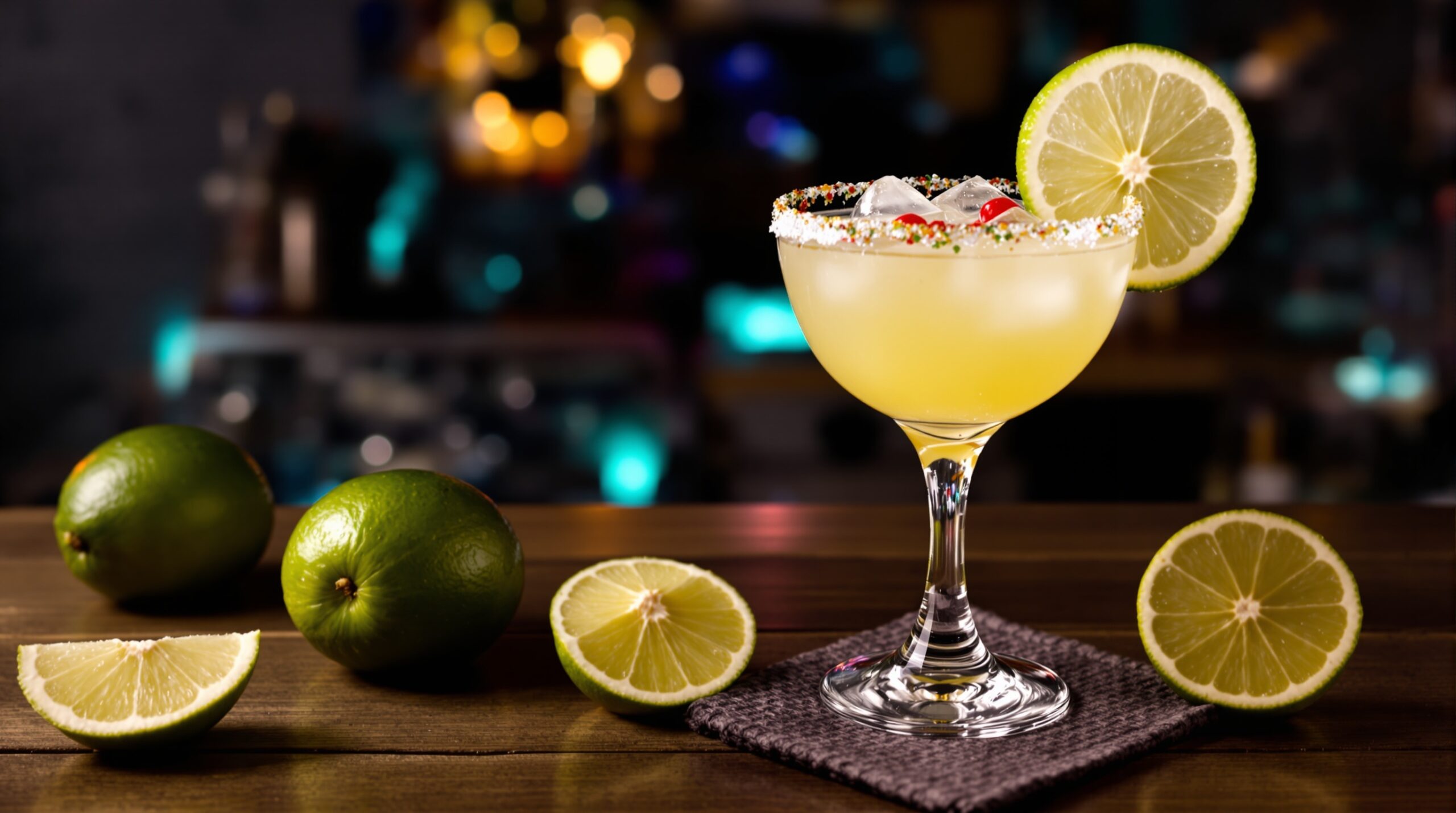
The original daiquiri recipe consisted of 2-3 oz of white rum (ideally BACARDÍ Carta Blanca), the juice of 1-2 limes, and 1 tsp of sugar, served over cracked ice in a tall glass or shaken with shaved ice in a coupe glass. Over time, the drink evolved from the tall glass with a spoon-frosting technique to the now-ubiquitous shaker-mixed method. This refinement is often attributed to bartenders Emelio “Maragato” Gonzalez and Constantino “Constante” Ribalaigua Vert, who honed their craft in the bars of Havana.
Famous Variations
While the classic daiquiri remains a beloved staple, several famous variations have emerged over the years. The Hemingway Daiquiri, for instance, was created at the renowned El Floridita bar in Havana. This iteration forgoes the sugar due to the writer’s diabetes, instead adding grapefruit juice and maraschino liqueur. Another iconic variation is the Frozen Daiquiri, pioneered by Constantino Ribalaigua Vert in the 1910s-1930s, which features a shaved ice texture.
More recently, the New Orleans Original Daiquiris have made their mark, with the first drive-thru daiquiri shop opening in Hammond, Louisiana, in 1983, inspired by the frozen slush machines of Ruston, Louisiana from 1979.
Rise to Fame and Cultural Impact
The daiquiri was first introduced to the United States in the early 1910s by Navy officer Lucious Johnson, who served the cocktail at the Army and Navy Club in Washington, D.C. (later known as the Daiquiri Lounge by 1909). The drink’s popularity exploded during the Prohibition era, as thirsty tourists flocked to Cuba to indulge in the forbidden pleasures of the Caribbean.
The daiquiri has since become a cultural icon, featuring in literary works such as F. Scott Fitzgerald’s *This Side of Paradise* (1920) and being a favoured beverage of renowned figures like the Kennedys, Ernest Hemingway, and even Fidel Castro. In 1936, a consumer rights case was brought against NYC bars for substituting BACARDÍ rum in their daiquiris, further cementing the cocktail’s significance.
Conclusion
The daiquiri’s journey from a humble Cuban beach to a global sensation is a testament to the enduring allure of classic cocktails. With its rich history, diverse variations, and cultural impact, the daiquiri continues to captivate the hearts and palates of drinkers worldwide, offering a taste of the Caribbean in every sip.
Sources:
The Duppy Share[1]
Daiquiri Depot[2]
Bacardi Limited[3]
Wikipedia[4]
American Historical Association[5]
Revelry Tours[6]
Difford’s Guide[7]
Diageo Bar Academy[8]
