


The dry martini is a timeless cocktail that has captivated drinkers for generations, with its rich history steeped in mystery and intrigue. From its uncertain origins to its enduring association with sophistication and glamour, the story of the dry martini is a fascinating one that continues to captivate both novice and seasoned cocktail enthusiasts.
Key Takeaways:
- Multiple credible theories exist about the dry martini’s origins, including connections to Martinez, California; bartender Jerry Thomas; the Martini & Rossi vermouth brand; and the Knickerbocker Hotel in New York.
- Influential bartenders and authors, such as Jerry Thomas, Martini di Arma di Taggia, and Harry Craddock, played crucial roles in the drink’s early history and evolution.
- The dry martini’s association with sophistication and glamour is highlighted by its connection to notable historical figures like James Bond, Ernest Hemingway, and Winston Churchill.
- The transition from sweeter “Martinez” cocktails to drier, gin-and-vermouth-based recipes, as well as the rise of vodka martinis in the 1950s, are key milestones in the dry martini’s evolution.
- The dry martini’s enduring popularity is tied to its association with American business elites in the post-Prohibition era and its resurgence in the 1990s.
The Uncertain Origins of the Dry Martini
The origins of the dry martini cocktail have long been shrouded in mystery, with multiple credible theories vying for the title of the drink’s true birthplace. One of the most widely cited theories suggests a connection to Martinez, California, where the “Martinez” cocktail, a precursor to the dry martini, is said to have been created.
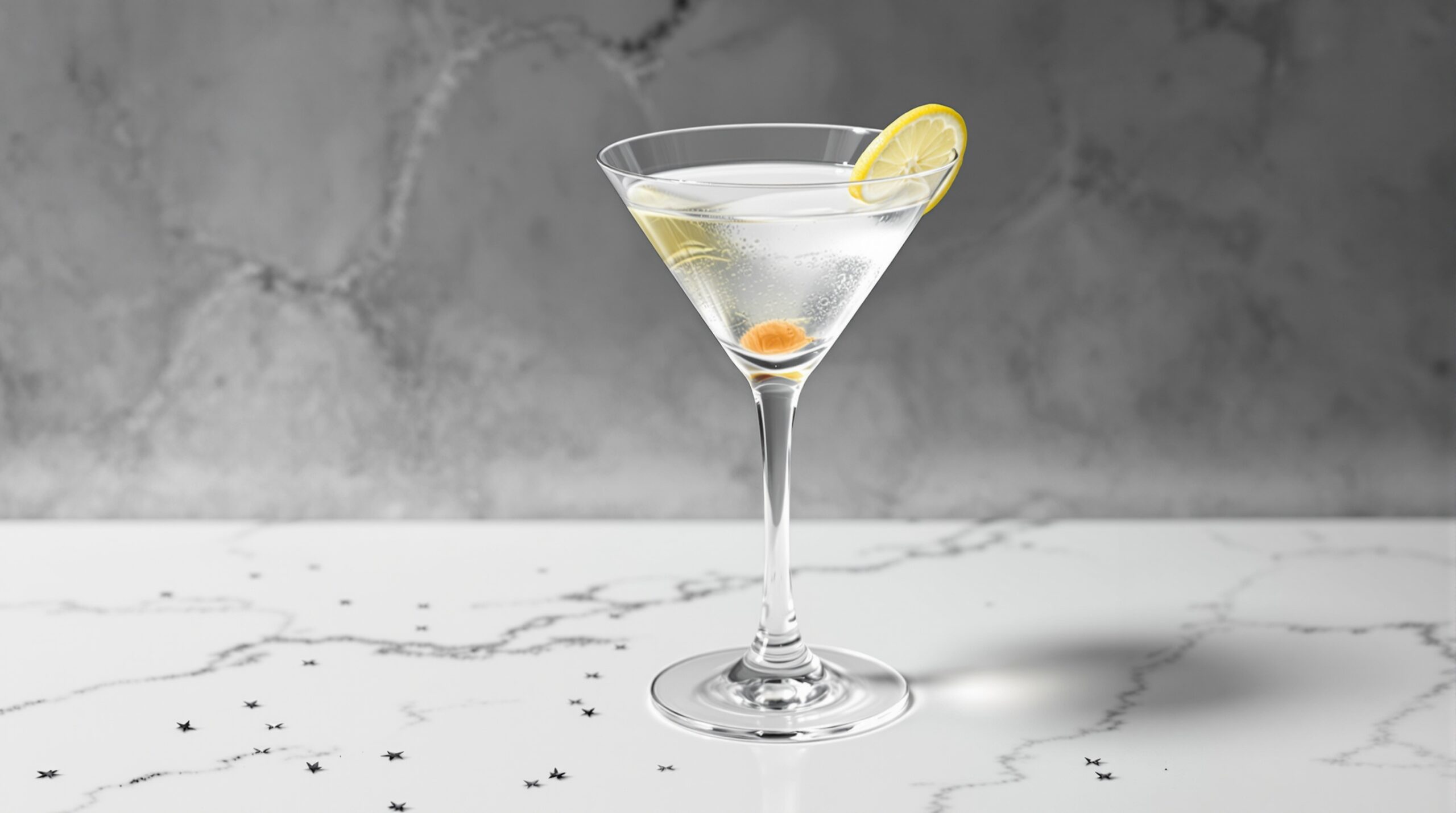
Another theory links the dry martini to the legendary bartender Jerry Thomas and his recipe for the “Martinez” cocktail, which featured gin, vermouth, and bitters. The Martini & Rossi vermouth brand has also been suggested as a potential influence, with the drink’s name potentially derived from the company’s moniker.
Some historians have also pointed to the Knickerbocker Hotel in New York City as the possible birthplace of the dry martini, with the hotel’s bartenders experimenting with different gin-and-vermouth ratios to create the iconic cocktail. Additionally, there are suggestions of European and West Coast origins for the dry martini, further adding to the mystery surrounding its true roots.
Key Figures and Cultural Influences
The history of the dry martini is deeply intertwined with the contributions of influential bartenders and authors. Jerry Thomas, often referred to as the “father of American mixology,” played a pivotal role in the early development of the drink, with his “Martinez” recipe serving as a precursor to the modern dry martini.
Another key figure in the dry martini’s history is Martini di Arma di Taggia, an Italian bartender who is credited with popularising the use of dry gin and vermouth in the cocktail. Harry Craddock, the renowned bartender at the Savoy Hotel in London, also made significant contributions to the dry martini’s evolution, with his 1930 publication of “The Savoy Cocktail Book” featuring a now-classic dry martini recipe.
The dry martini’s enduring association with sophistication and glamour is further highlighted by its connection to notable historical figures, such as James Bond, Ernest Hemingway, and Winston Churchill, who all famously enjoyed the cocktail.
The Evolution of the Dry Martini Recipe
The dry martini’s recipe has undergone a remarkable transformation over the years, reflecting the changing tastes and availability of ingredients. The transition from the sweeter “Martinez” cocktails to the drier, gin-and-vermouth-based dry martini recipes coincided with the increasing popularity of dry gin and the growing availability of vermouth.
The earliest written recipes for the “dry martini” can be found in the early 1900s, with the traditional modern recipe featuring a higher proportion of gin to vermouth. Over time, the vermouth ratio has continued to decrease, leading to the emergence of the ultra-dry martini and the rise of vodka martinis in the 1950s.
Cultural Impact and Endurance
The dry martini’s enduring popularity is closely tied to its cultural significance and iconography. During the Prohibition era in the United States, the dry martini became a popular way to mask the taste of bootleg gin, helping it gain traction among the American business elite in the post-Prohibition period.
Although the dry martini’s popularity waned in the 1970s and 1980s, it experienced a resurgence in the 1990s and has since maintained its status as a timeless and iconic cocktail, synonymous with elegance, sophistication, and refinement. The dry martini’s enduring appeal can be attributed to its ability to capture the imagination of drinkers and its enduring cultural significance as a symbol of sophistication and luxury.
Conclusion
The history of the dry martini is a captivating tale that spans continents, eras, and cultural influences. From its uncertain origins to its enduring association with sophistication and glamour, the dry martini has cemented its place as a true icon of the cocktail world. As we delve deeper into the rich and fascinating history of this timeless drink, we can better appreciate the layers of complexity and the myriad of stories that have contributed to its enduring legacy.
Sources:
100andnomore.com
jiggercocktails.com
provi.com
aceitunastorrent.com
Wikipedia
Difford’s Guide
frankiebones.com
sipsmith.com
eddieslkn.com
