


As the beverage landscape continues to evolve, staying up-to-date with the essential bar beverages has become crucial for bartenders, mixologists, and anyone passionate about crafting exceptional drinks. From the enduring appeal of beer and wine to the rising dominance of spirits like tequila, this comprehensive guide will equip you with the knowledge to navigate the ever-changing world of bar beverages.
Key Takeaways:
- Beer remains the most popular choice, but its preference has declined while liquor preference has increased, especially among younger demographics.
- Tequila and other agave spirits are experiencing a surge in popularity, with many bars planning to offer more of these options.
- The wine market is seeing shifts, with premium wines and specific varietals like red blends, Pinot Noir, and Cabernet Sauvignon showing positive growth.
- Flavoured wheat ales have seen significant growth, while the overall beer category continues to contract, though the rate of decline is slowing.
- Consumers’ beverage preferences are influenced by age, with younger adults gravitating towards liquor and margarita type drinks, while older adults prefer wine.
Changing Consumer Beverage Preferences
While beer remains the most popular choice at 34% preference, it has seen a decline from its historical average of 41%. In contrast, liquor preference has increased from 23% to 29% [2]. This shift is particularly evident among younger demographics, with 42% of 18-34-year-olds preferring beer, compared to 33% of those 55 and older [2]. Conversely, wine preference increases with age, from 20% for ages 18-34 to 38% for ages 55 and above [2].
Spirits Market Growth and Trends
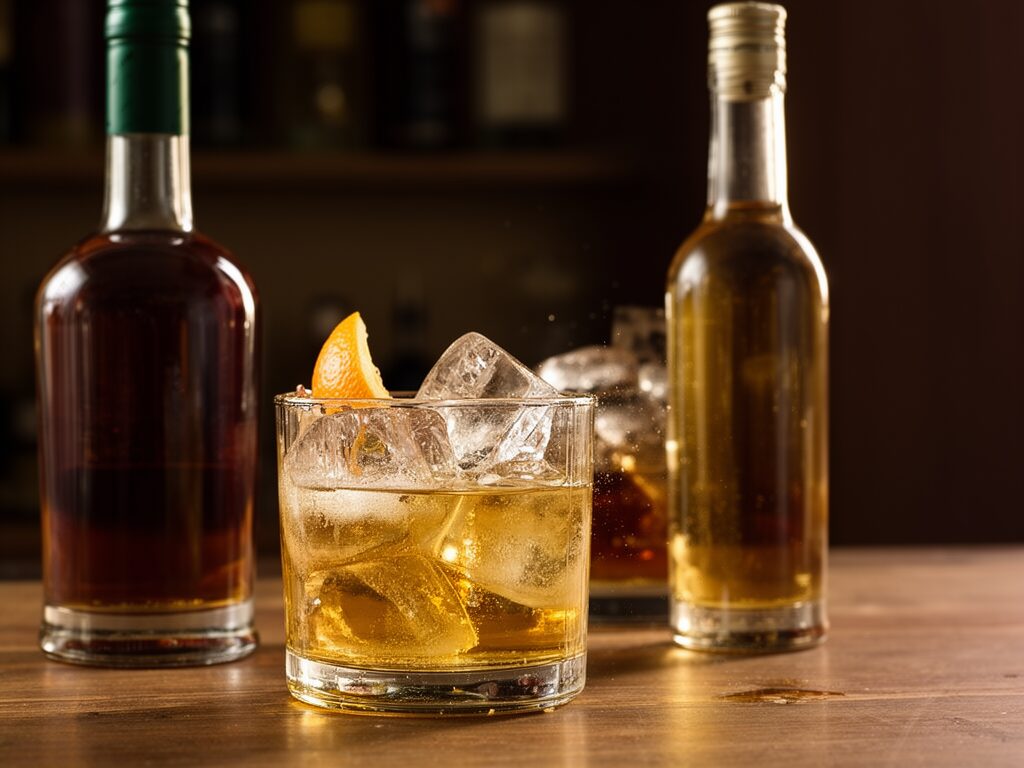
The spirits market has witnessed some remarkable trends, with agave spirits including tequila and mezcal experiencing a 4% increase in volume and a 7% increase in value, despite a broader spirits market decline [2]. In fact, tequila overtook whiskey to become the second-most consumed spirit by value in the U.S. in 2023 [2], and it even outsold vodka in American bars in 2024 [2]. Additionally, 54% of bars reported that tequila outperformed all other liquors in the previous year, and 64% of bars plan to offer more tequila and other agave spirits compared to other liquors [2]. The tequila market is expected to continue its growth, with a 6% CAGR (Compound Annual Growth Rate) projected through 2028 [2].
Beer Market Performance and Subcategories
While the overall beer category is predicted to continue contracting, the rate of decline is easing slightly [1]. In 2022, beer imports grew in volume by 4%, and the premium and above beer segment increased by 4%, even as overall beer volume declined by 2% [1]. Interestingly, tropical flavored wheat ales grew by 37.3% during the 52-week period ending 10/8/2022, while the overall wheat ales sales decreased by 4.1% [1].
Wine Market Segments and Shifting Preferences
The wine market is also experiencing some notable shifts. As with beverage preferences in general, wine preference increases with age, reaching 38% for consumers 55 and older [2]. While overall wine volume declined by 2% in 2022, the premium wine segment increased by 6% [1]. Specific wine varietals, such as red blends (+36%), Pinot Noir (+28%), and Cabernet Sauvignon (+18%), have shown positive growth [1]. Interestingly, women favored red blends (+40%) over men (+33%), and younger consumers preferred them more (+22% vs. +36%) [1].
Conclusion
The evolving beverage landscape presents both challenges and opportunities for those in the bar and hospitality industry. By understanding the changing consumer preferences, the growth and trends in the spirits market, the performance of the beer market, and the shifts in the wine market, you can stay ahead of the curve and cater to the diverse tastes of your customers. Whether you’re a seasoned bartender or a passionate home mixologist, this comprehensive guide has equipped you with the knowledge to craft exceptional bar beverages that will delight your patrons.
Sources:
Numerator
Auguste Escoffier School of Culinary Arts
BizPlanr
