Gin And Tonic Drink Recipe

Introduction
A classic gin and tonic drink recipe blends premium gin, chilled tonic water, fresh citrus and ice in roughly a 1:3 ratio, served in a chilled Copa glass for maximum aroma. I’ll walk you through the exact measurements, the best botanicals to pair with your gin, and professional serving tips that lift this simple two-ingredient drink into something truly memorable.
In this guide
Key Takeaways
- The ideal ratio is 1 part gin to 3 parts tonic, poured over plenty of ice.
- Always use a chilled Copa glass to preserve carbonation and showcase botanicals.
- Match your garnish to the gin’s dominant botanicals, not just lemon or lime.
- Choose a premium tonic water such as Fever-Tree or Franklin & Sons for a cleaner finish.
- Pour tonic down a bar spoon to keep bubbles lively and avoid flat results.
The Classic Gin and Tonic Recipe
I’ll start with the fundamentals, because getting the basics right matters more than any fancy twist. A proper G&T relies on balance, temperature and freshness. Furthermore, the quality of each ingredient shows through immediately in such a simple serve.
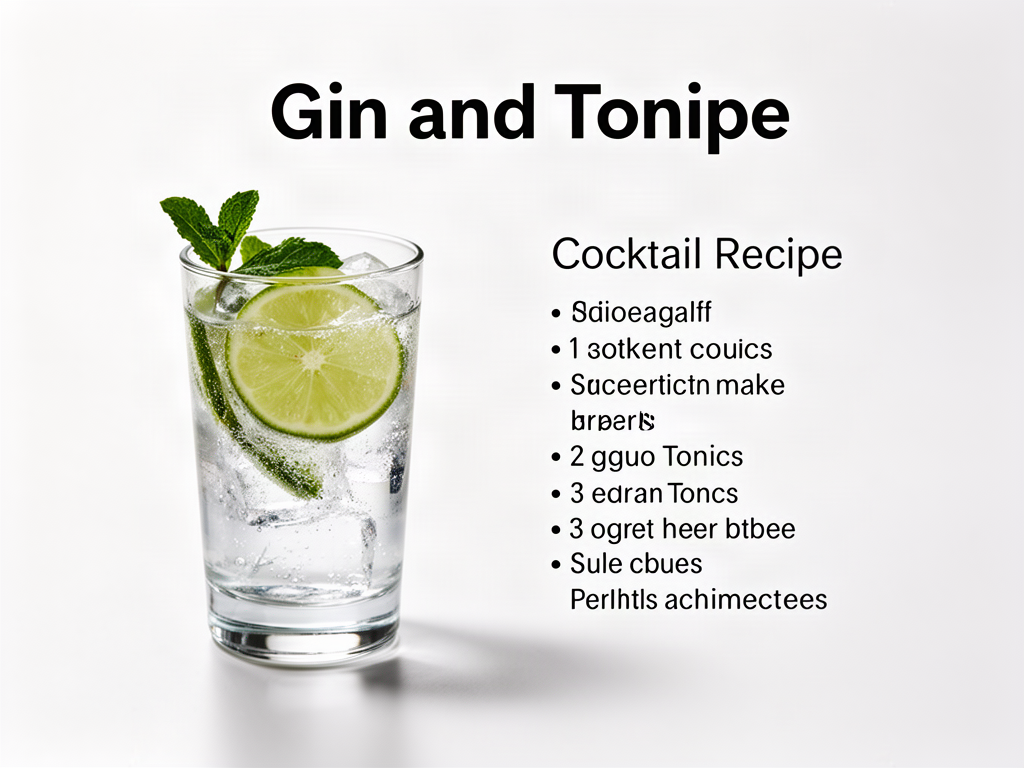
Here’s what you’ll need for one serving:
- 50ml London Dry gin (Tanqueray, Bombay Sapphire or Sipsmith work brilliantly)
- 150ml premium Indian tonic water, well chilled
- Large cubed ice, enough to fill the glass
- One wedge of lime or a lemon twist
- Optional: juniper berries, pink peppercorns or a rosemary sprig
To build the drink, fill a Copa or balloon glass to the brim with ice. Then stir briefly with a bar spoon to chill the glass and strain off any meltwater. Next, pour in the gin and gently add the tonic by letting it slide down the spoon. Finally, garnish and serve immediately. For more creative serves, my cocktail ingredients guide is a great next step.
Choosing the Right Gin and Tonic Pairing
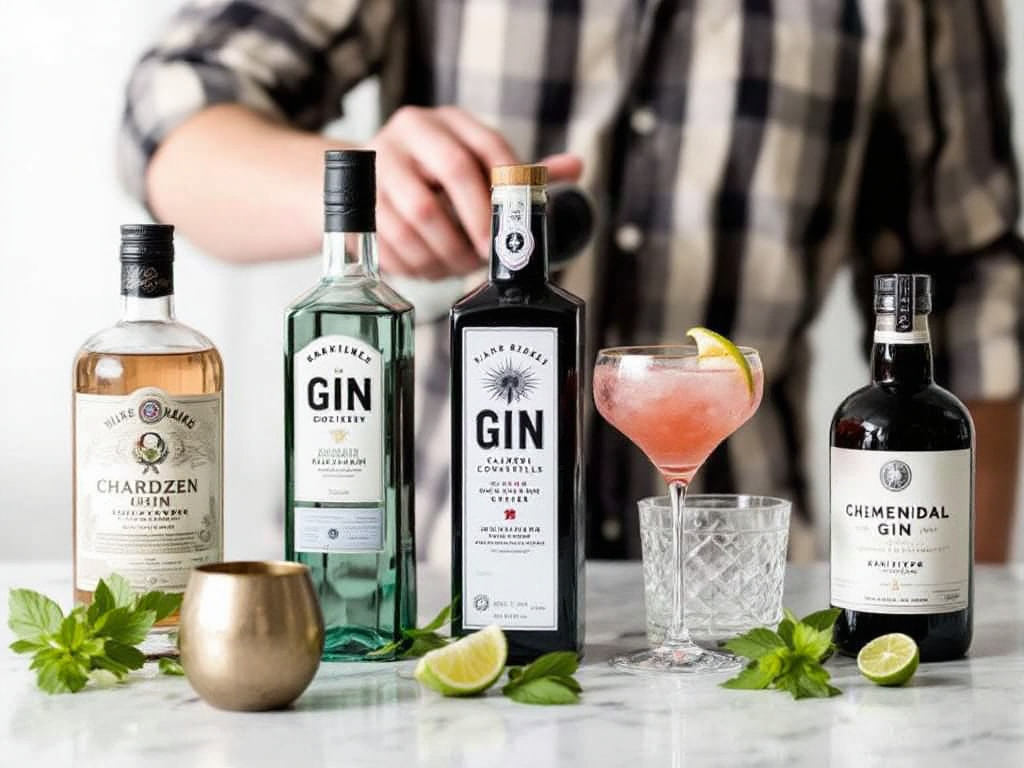
Not every gin pairs with every tonic, and this is where many home bartenders slip up. For example, a citrus-forward gin like Tanqueray No. Ten shines with a light tonic, while a floral gin such as Hendrick’s prefers an elderflower variety. Therefore, matching flavour profiles is the secret to a standout G&T.
Below are my go-to pairing suggestions:
- London Dry gin + Indian tonic + lime wedge
- Floral gin (Hendrick’s) + elderflower tonic + cucumber ribbon
- Citrus gin (Tanqueray No. Ten) + Mediterranean tonic + grapefruit peel
- Old Tom gin + light tonic + orange twist
- Navy strength gin + classic tonic + rosemary sprig
Additionally, consider the water used in your tonic. Fever-Tree reports that tonic water makes up roughly three-quarters of the finished drink, so quality really does matter. If you’d like to explore ingredient-led serves further, my search by ingredient guide offers plenty of inspiration.
Expert Tips for the Perfect Serve
I’ve poured thousands of G&Ts, and small details separate a good one from a great one. For instance, warm glassware is the fastest way to ruin the drink. Consequently, I always chill my glass in the freezer for at least ten minutes before pouring.
Here are my top professional tips:
- Use large ice cubes, as small cubes melt too quickly and dilute the drink.
- Open your tonic water just before pouring to preserve maximum fizz.
- Avoid squeezing citrus directly into the glass; twist the peel over the surface instead.
- Stir gently, no more than two or three times, to protect the carbonation.
- Match garnishes to botanicals: coriander-led gins love orange peel, juniper-led gins love lime.
Moreover, temperature is everything. The gin should come straight from the fridge or freezer, and the tonic from an ice bucket. If you enjoy structured recipes with precise ratios, you might also like my guide to Negroni ingredients, which follows similar principles of balance.
Variations Worth Trying at Home
Once you’ve mastered the classic, there’s plenty of scope to experiment. For example, swapping tonic for a flavoured variety instantly changes the character of the drink. Additionally, swapping garnishes can transform a familiar serve into something completely new.
Try these popular modern variations:
- Spanish-style G&T: served in a Copa with juniper berries, lemon peel and star anise.
- Pink G&T: made with pink gin, Mediterranean tonic and fresh strawberries.
- Cucumber G&T: Hendrick’s gin, light tonic and three cucumber ribbons.
- Spiced G&T: a warming option with pink peppercorns and a cinnamon stick.
- Herbal G&T: rosemary, thyme or basil to echo botanical notes.
Each of these costs roughly £3 to £5 per serve to make at home, depending on your gin choice. Furthermore, batching for a dinner party is simple: multiply the measures and chill everything well in advance.
Conclusion
A great gin and tonic is deceptively simple, yet every detail counts. By respecting the ratio, chilling your glassware and matching your garnish to the gin’s botanicals, I can turn two ingredients into something genuinely special. Experiment with different gins and tonics, trust your palate, and you’ll quickly find your personal signature serve.