Gin And Tonic Garnish
Introduction
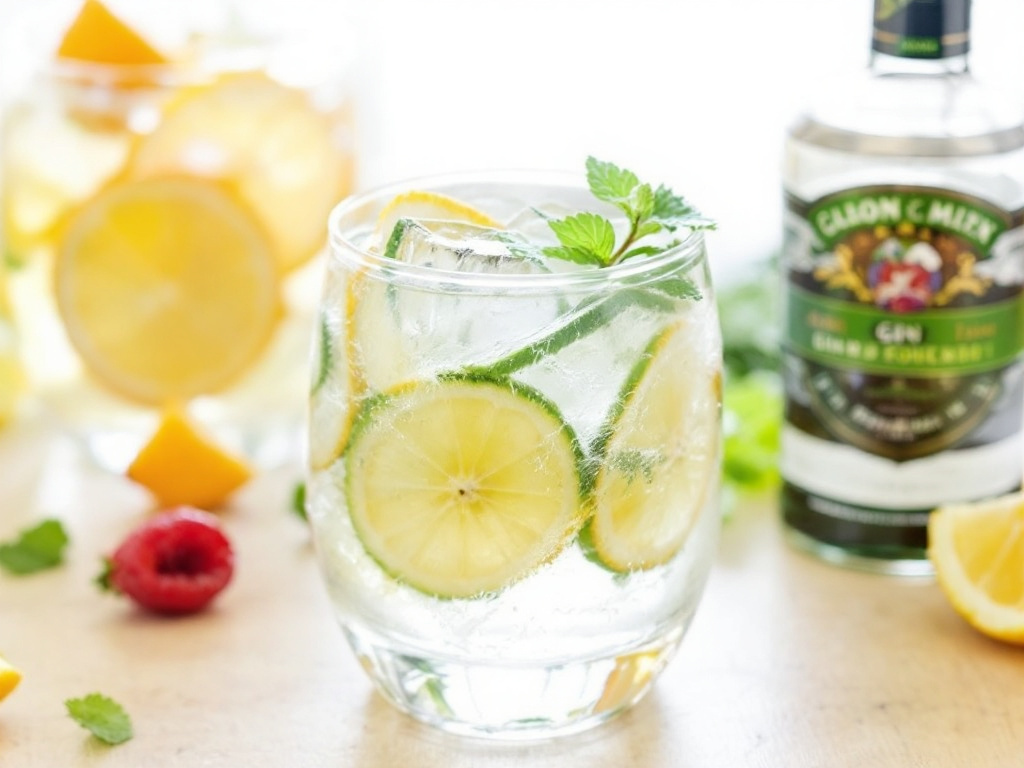
A well-chosen gin and tonic garnish transforms a simple highball into a layered sensory experience, boosting the botanicals in the gin and softening the tonic’s quinine bite. From classic citrus peels to fresh herbs and spices, the right finishing touch can shift the drink’s aroma, flavour and visual appeal in seconds.
In this guide
Key Takeaways
- The garnish choice should complement the gin’s dominant botanicals for a balanced serve.
- Citrus peels release essential oils that lift aroma more effectively than wedges.
- Fresh herbs like rosemary and basil add depth to floral or herbaceous gins.
- Spices such as pink peppercorns and cardamom pair well with spiced gins.
- Presentation matters — a copa glass with plenty of quality ice keeps the drink cold and fragrant.
Understanding the Role of a Gin and Tonic Garnish
A garnish isn’t decoration alone. It’s a working ingredient that interacts with the gin’s botanicals and the tonic’s bitterness. When I drop a twist of grapefruit peel into a citrus-forward gin, the oils bloom across the surface and amplify every sip.
The right pairing depends on the gin’s flavour profile. London Dry styles tend to lean on juniper and citrus, while contemporary gins may highlight cucumber, rose or spice. Matching or contrasting these notes gives you control over the final taste.
Classic Garnishes and When to Use Them
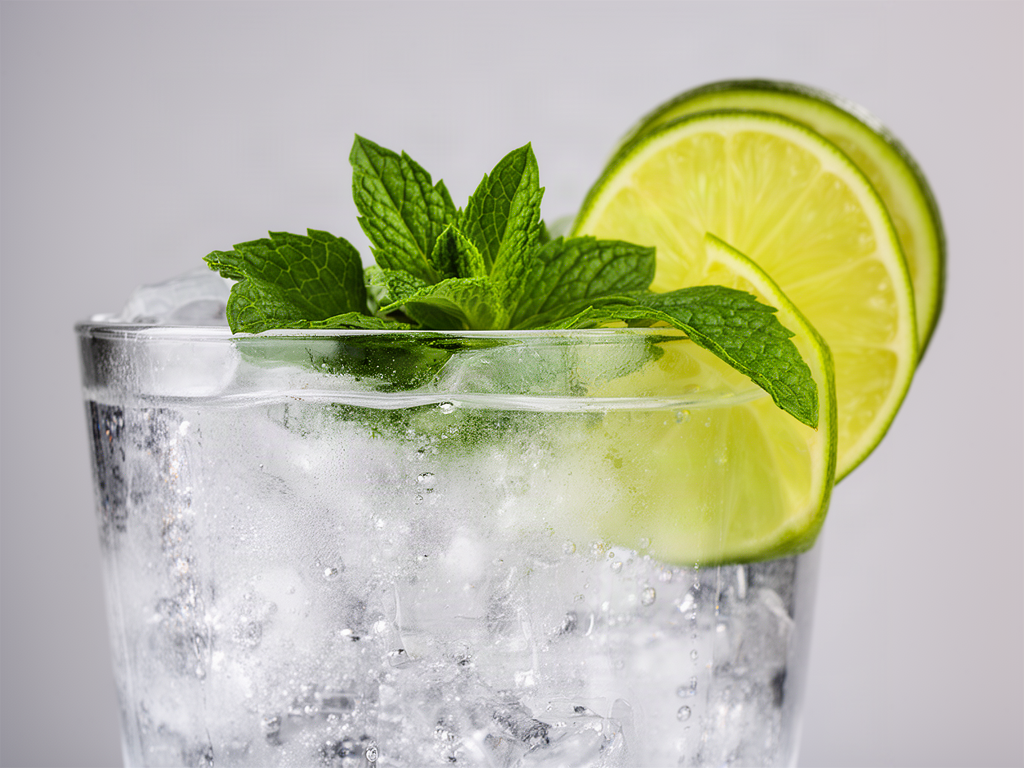
For traditional serves, I stick to simple, tested pairings. These options work with most supermarket gins and rarely disappoint.
Here are the most reliable classics I reach for:
- Lemon peel — brightens dry, juniper-heavy gins.
- Lime wedge — sharp, punchy and great with London Dry.
- Orange slice — softens spiced or citrus-led gins.
- Grapefruit twist — perfect for floral or Mediterranean-style gins.
- Cucumber ribbon — cooling and ideal for gins like Hendrick’s.
Peel over wedges usually wins for aroma. Wedges add juice, which can overpower delicate gins. Therefore, I peel when I want fragrance and squeeze when I want acidity.
Herbs, Spices and Botanical Pairings
Herbs and spices give you the chance to layer complexity into your serve. However, restraint matters — one or two additions are usually enough. Overloading the glass dulls the gin rather than lifting it.
These pairings consistently deliver strong results:
- Rosemary sprig with pine-forward, juniper-heavy gins.
- Basil leaves with citrus and herbal gins.
- Pink peppercorns with spiced or peppery gins.
- Star anise with warming, winter-style gins.
- Cardamom pods with Old Tom or spiced varieties.
Gently clap herbs between your palms before adding them. Consequently, the oils release without bruising the leaves. For spices, a light crush wakes up the aromatics without overwhelming the drink. If you’re exploring more cocktail ingredients and ideas, these same principles apply across many serves.
Practical Tips for Building the Perfect Serve
Presentation and technique matter as much as the garnish itself. I always chill the glass first, ideally a copa or balloon, which traps aromatics near the nose. Additionally, I use large, clear ice cubes to slow dilution.
Follow this order for best results:
- Fill the glass with plenty of fresh ice.
- Pour 50ml of gin over the ice.
- Add the garnish before the tonic to release oils.
- Top slowly with chilled tonic, pouring down a bar spoon.
- Stir once gently to combine without losing carbonation.
Quality tonic matters too. A premium tonic costing around £1.50 per bottle often makes more difference than upgrading the gin itself. Furthermore, avoid warm mixers — they flatten the drink instantly. For those keen to browse serves by ingredient, a cocktail search by ingredient tool can help you plan pairings efficiently.
Common Mistakes to Avoid
Even experienced hosts slip up occasionally. I’ve made most of these mistakes myself, so learning from them saves time and money.
Watch out for these frequent errors:
- Using too much citrus, which masks the gin entirely.
- Adding garnishes with strong perfumes that clash with botanicals.
- Overloading the glass with three or more garnishes.
- Skipping fresh ice, which causes rapid dilution.
- Serving in a narrow glass that traps no aroma.
Simplicity almost always wins. Moreover, if you’re branching out into related drinks, understanding Negroni ingredients gives useful context for how gin behaves alongside bitter and sweet components.
Conclusion
Choosing the right gin and tonic garnish is a small decision with a large impact. By matching the finishing touch to your gin’s botanicals, using quality ice and pouring with care, you’ll turn an everyday drink into something memorable. Start with one classic pairing, experiment gradually, and trust your palate — the best serve is the one you enjoy most.