Gin Drink Recipes

Gin drink recipes blend botanical spirits with mixers, bitters and garnishes to create everything from the classic G&T to sophisticated martinis. I’ve gathered my favourite recipes, essential ingredients and professional pouring tips to help you craft balanced, flavourful cocktails at home.
In this guide
Key Takeaways
- Quality gin and tonic ratios typically sit at 1:3 for the perfect serve.
- Fresh citrus and botanicals transform ordinary drinks into memorable cocktails.
- Chilled glassware keeps martinis crisp and preserves aromatic qualities.
- Investing in a jigger and strainer dramatically improves consistency at home.
- Experimenting with garnishes like rosemary, cucumber or pink grapefruit adds depth.
Why Gin Deserves a Place in Your Drinks Cabinet
Gin has surged in popularity across the UK, with the Wine and Spirit Trade Association reporting record sales in recent years. I love gin because its juniper-led profile pairs beautifully with countless mixers. Moreover, the spirit’s versatility means you can craft everything from refreshing highballs to stirred, spirit-forward classics.
British distilleries now produce hundreds of expressions, from London Dry to contemporary floral styles. Consequently, there’s a bottle to suit every palate and budget, usually between £20 and £45. For a broader look at mixology essentials, my guide to cocktail ingredients and tips offers plenty of inspiration.
Essential Ingredients for Gin Drink Recipes
Before mixing, I always stock a few core items that elevate any serve. Fresh ingredients make the biggest difference, so I shop weekly for citrus and herbs. Additionally, keeping a well-chosen tonic range on hand lets me match the gin’s botanicals properly.
Here are the staples I recommend for anyone starting out:
- Premium gin – London Dry works for most cocktails, while contemporary styles suit lighter serves.
- Quality tonic water – brands like Fever-Tree or Franklin & Sons preserve delicate flavours.
- Fresh citrus – lemons, limes and pink grapefruit are my go-to choices.
- Vermouth – both dry and sweet, for martinis and negronis.
- Bitters and syrups – Angostura, orange bitters and homemade sugar syrup.
For negroni fans, my detailed breakdown of negroni ingredients explains how Campari and vermouth transform gin into something magical.
Classic Gin Drink Recipes to Master
I’ve selected three timeless recipes that every home bartender should know. Each uses simple techniques but delivers restaurant-quality results. Furthermore, these drinks appear on the official International Bartenders Association list, which you can explore in my guide to IBA cocktails for mixologists.
The Perfect Gin and Tonic
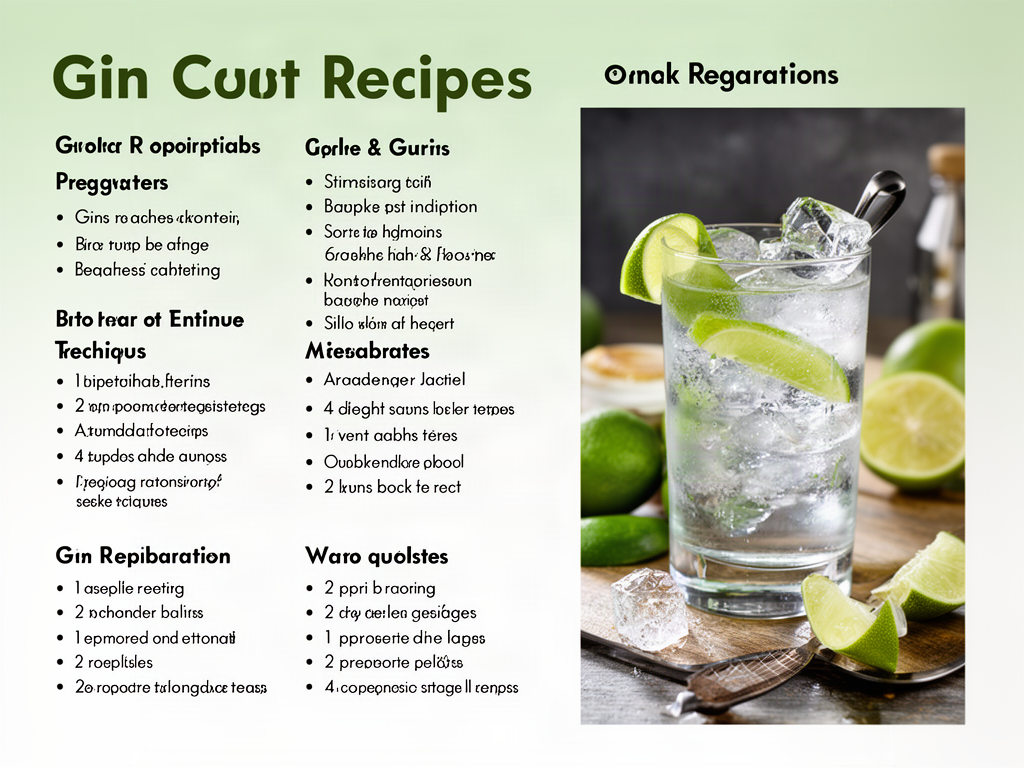
This serve rewards precision despite its simplicity. I pour 50ml of gin over cubed ice in a Copa glass, then top with 150ml of chilled tonic. Finally, I garnish with a fresh lime wedge or a sprig of rosemary for aromatic lift.
Dry Martini
For a crisp martini, I stir 60ml of gin with 10ml of dry vermouth over ice for 30 seconds. Then I strain into a chilled coupe and garnish with a lemon twist or olive. Stirring, rather than shaking, keeps the texture silky and prevents dilution.
French 75
This celebratory cocktail combines 30ml of gin, 15ml of lemon juice and 10ml of sugar syrup. I shake with ice, strain into a flute and top with chilled Champagne or English sparkling wine. The result is bright, bubbly and perfect for celebrations.
Expert Tips for Better Gin Cocktails
Small adjustments make a huge difference to the final drink. I always chill my glassware for at least 10 minutes before serving stirred cocktails. Additionally, using fresh ice rather than freezer-burned cubes keeps dilution controlled and flavours clean.
Here are my top professional habits worth adopting:
- Measure accurately – a jigger costs under £10 and transforms consistency.
- Taste as you go – adjust sweetness or acidity before serving.
- Match garnish to botanicals – citrus-forward gins love grapefruit, while herbal ones suit rosemary.
- Store vermouth in the fridge – it oxidises quickly once opened.
- Experiment with tonics – Mediterranean tonic suits floral gins beautifully.
Moreover, I’d suggest tasting your gin neat first. Understanding its character helps you choose complementary mixers and garnishes. For example, a juniper-heavy London Dry benefits from classic tonic, whereas a cucumber-led gin shines with elderflower.
Conclusion
Crafting excellent gin drink recipes doesn’t require expensive kit or years of training. With quality ingredients, accurate measurements and a willingness to experiment, you can produce cocktails that rival any London bar. Therefore, I encourage you to start with the classics, then branch out as your confidence grows. Cheers to your next pour.