


The good old fashioned bourbon has long been a fixture in the world of whiskey connoisseurs. These classic straight bourbon styles, with their traditional mash bills and oak-aged profiles, offer a unique and timeless drinking experience.
Key Takeaways:
- Defining Bourbon: To be considered a true bourbon, a whiskey must be distilled from a mash bill of at least 51% corn, distilled to no more than 160 proof, entered into oak barrels at no more than 125 proof, and bottled at no less than 80 proof. It must also be aged for a minimum of 2 years.
- Exploring Styles: From the traditional Kentucky profile to high-rye and wheated expressions, bottled-in-bond, barrel proof, and single barrel offerings, the world of good old fashioned bourbon is rich with diversity.
- Flavour Profile: The quintessential bourbon flavour profile is marked by notes of vanilla, caramel, toffee, baking spice, and oak, with the balance and mouthfeel influenced by the proof level.
- Specialty Labels: Terms like bottled-in-bond, single barrel, small batch, and barrel proof offer insight into the production and quality of these bourbons.
- Budget-Friendly Options: Affordable yet exceptional bourbons like Buffalo Trace and Eagle Rare 10 Year provide excellent value for money.
The Essence of “Good Old Fashioned” Bourbon
At the heart of the good old fashioned bourbon experience are the classic straight bourbon styles, which adhere to the U.S. legal definition of bourbon: a whiskey distilled from a mash bill of at least 51% corn, distilled to no more than 160 proof, entered into oak barrels at no more than 125 proof, and bottled at no less than 80 proof. These bourbons have been aged for a minimum of 2 years, showcasing the traditional Kentucky bourbon profile.
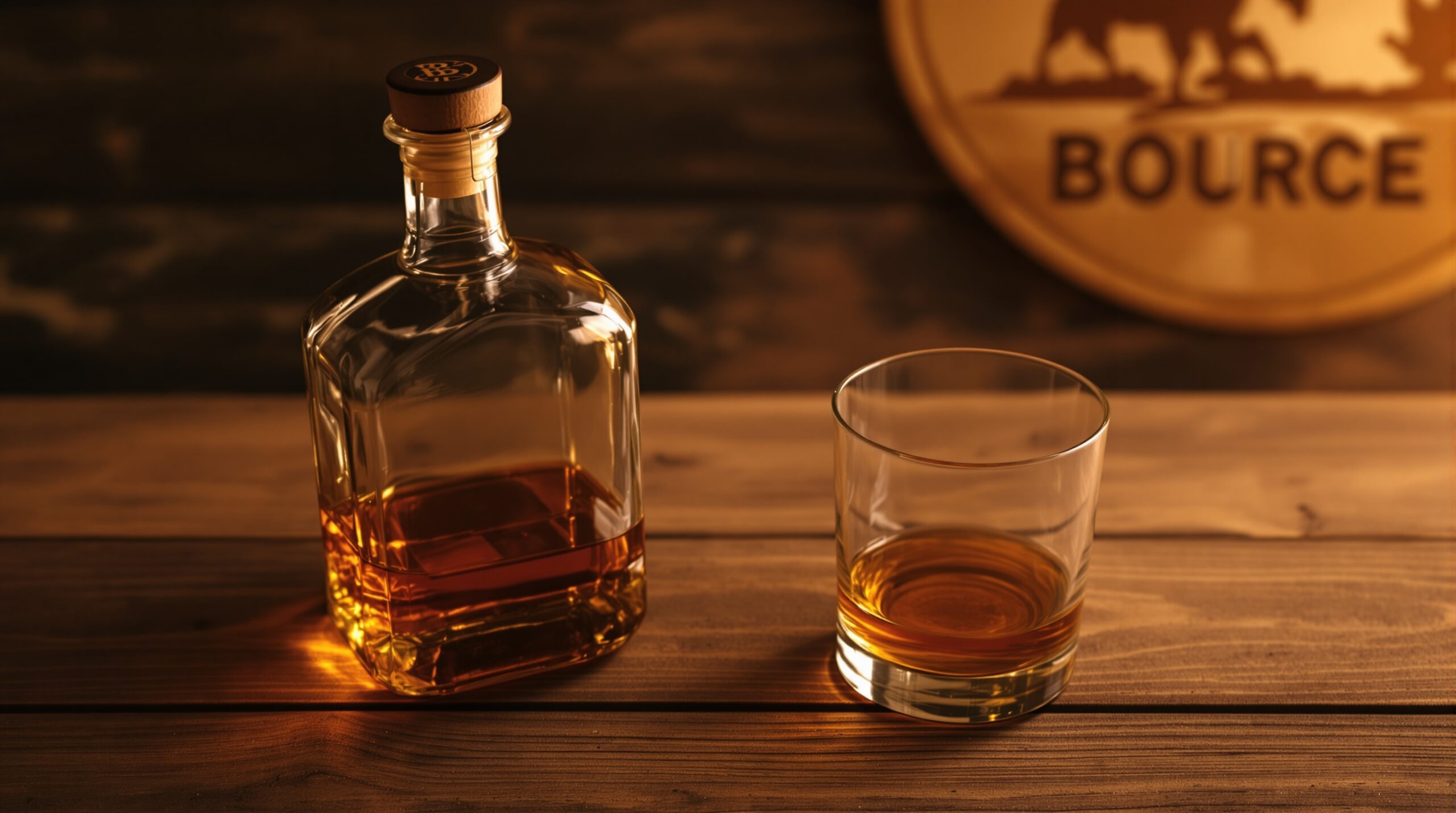
The Benchmark “Old Fashioned” Bourbon Flavor Profile
The quintessential good old fashioned bourbon flavour profile is defined by a harmonious blend of vanilla, caramel, toffee, baking spice (cinnamon, nutmeg), oak, and dark fruit notes. The influence of the grains used in the mash bill, as well as the interaction with the new charred oak barrels, are key to shaping this classic taste. The proof, or alcohol by volume (ABV), also plays a crucial role in the balance and mouthfeel of these bourbons, with the sweet spot typically falling between 90-100 proof for a well-rounded experience, and 100-120+ proof for a more intense, robust profile.
Understanding Specialty Labels
Within the world of good old fashioned bourbon, several specialty labels offer unique insights into the production and quality of these whiskeys. Bottled-in-Bond bourbons, for example, must be the product of a single distillation season, a single distiller, and a single distillery, and aged for a minimum of 4 years at 100 proof. Single Barrel bourbons showcase the unique flavour profile of individual barrels, without any blending, while Small Batch expressions are a blend of a small number of barrels, offering a more controlled and consistent flavour profile. Finally, Barrel Proof (or Cask Strength) bourbons are bottled at or near their barrel entry proof, often ranging from 115-140+ proof, providing a raw, unadulterated taste of the whiskey.
Exploring Everyday and Value Bourbon Options
For those seeking an exceptional everyday sipper or a value bourbon option, two standout choices are Buffalo Trace and Eagle Rare 10 Year. Buffalo Trace is a smooth, affordable Kentucky straight bourbon that offers a classic profile, while Eagle Rare 10 Year provides exceptional value for a 10-year-old bourbon, with notes of dark fruit and oak.
Conclusion
The good old fashioned bourbon continues to captivate whiskey enthusiasts with its timeless appeal and diverse range of styles. From the traditional Kentucky profile to the more specialized expressions, these bourbons offer a unique and rewarding drinking experience that celebrates the rich heritage of American whiskey.
Sources:
Buffalo Trace
Eagle Rare 10 Year
