How to Make Gin And Tonic
Introduction
Learning how to make gin and tonic properly requires quality ingredients, the correct glassware, and attention to ice, garnish and ratio. A well-built G&T balances botanical gin with crisp tonic water, served ice-cold in a large glass to preserve the aromatics and fizz.
In this guide
Key Takeaways
- Use a 1:3 ratio of gin to tonic for balanced flavour.
- Serve in a Copa glass filled with large, clear ice cubes.
- Choose a premium tonic to complement your gin’s botanicals.
- Match your garnish to the gin’s dominant flavour profile.
- Always pour the tonic gently to preserve carbonation.
How to Make Gin and Tonic: The Classic Recipe
The gin and tonic is deceptively simple, yet small choices make a huge difference. I’ve built this drink hundreds of times, and the fundamentals never change. However, refinement lies in the details, from ice quality to garnish selection.
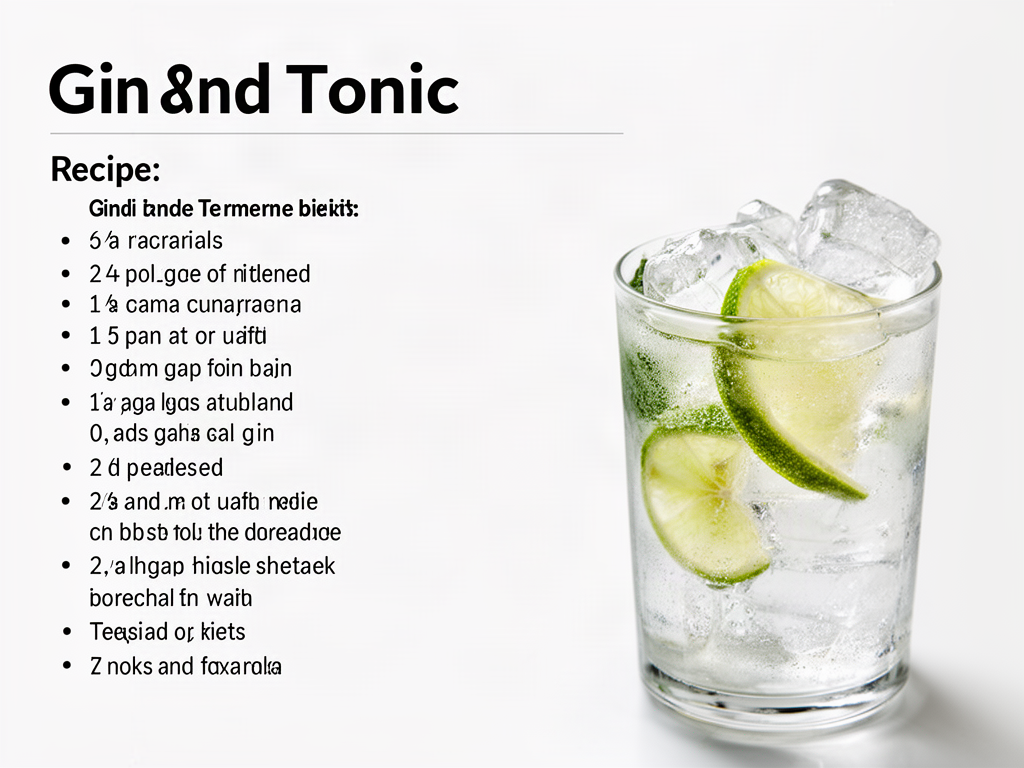
Here’s what you’ll need to build a proper G&T:
- 50ml of premium London Dry gin
- 150ml of chilled Indian tonic water
- Large, clear ice cubes (enough to fill the glass)
- A fresh garnish such as lemon peel, lime wedge, or cucumber ribbon
Start by chilling your Copa or balloon glass in the freezer for ten minutes. Fill it to the brim with ice, then pour the gin over the cubes. Additionally, add the tonic slowly down a bar spoon to protect the bubbles. Finally, add your garnish and give the drink one gentle stir.
Choosing the Right Ingredients
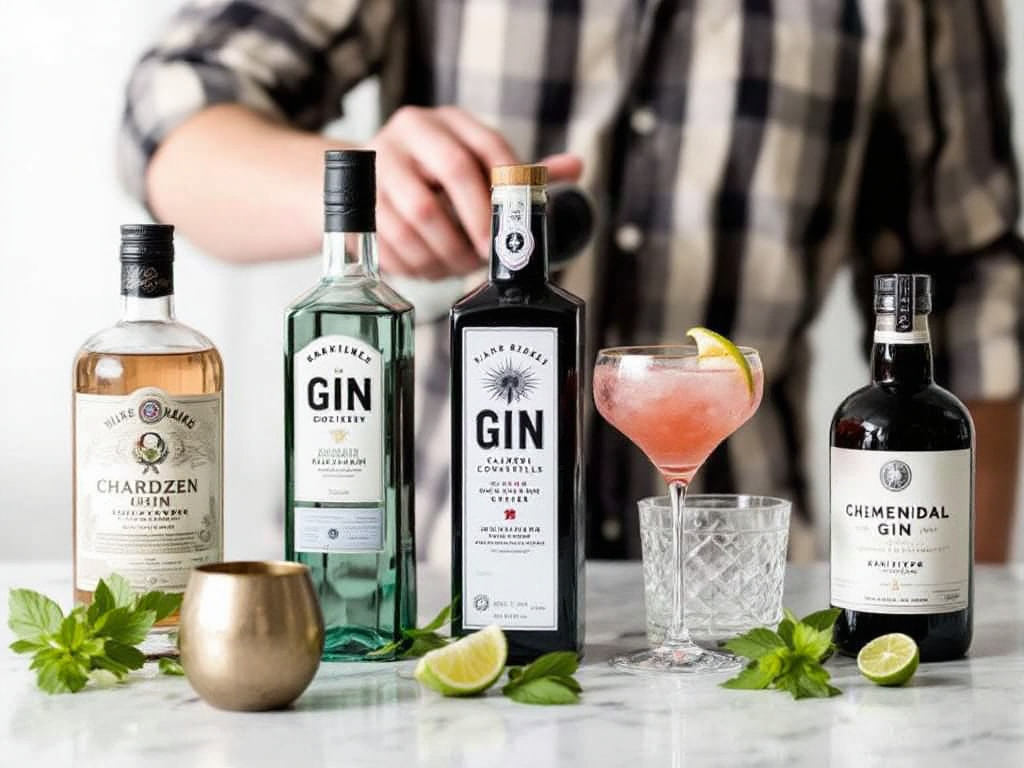
Your gin selection shapes the entire drink. For example, a classic London Dry like Tanqueray offers juniper-forward crispness, while Hendrick’s brings cucumber and rose notes. Moreover, contemporary gins such as Monkey 47 layer dozens of botanicals for a more complex sip. Budget typically ranges from £20 to £45 for a quality bottle.
Tonic water matters just as much as the gin itself. Fever-Tree remains my go-to for its clean quinine finish and lasting fizz. However, Franklin & Sons and Double Dutch offer excellent alternatives at similar price points. Avoid flat supermarket tonics, as they’ll ruin an expensive gin in seconds.
Ice is the third pillar of the drink. Large, dense cubes melt slowly and dilute gradually, keeping the flavour balanced. Consequently, crushed or hollow ice waters down the cocktail within minutes. If you enjoy exploring different builds, my guide to cocktail ingredients and recipes covers essential kit and pantry staples.
Expert Tips for the Perfect Serve
Garnish should complement the gin, not compete with it. For instance, citrus-led gins pair beautifully with grapefruit peel, while herbal gins shine alongside rosemary or thyme sprigs. Furthermore, spiced gins work well with pink peppercorns or a slice of fresh ginger.
Here are the mistakes I see most often when people build a G&T at home:
- Using too little ice, which speeds up dilution
- Pouring tonic from a great height, killing the fizz
- Squeezing citrus rather than expressing the oils from the peel
- Serving in a small tumbler that traps no aromatics
- Adding tonic before the gin, causing uneven mixing
Temperature matters enormously. I keep my gin in the freezer and my tonic in the fridge for maximum chill. Moreover, pre-chilling the glass prevents that first sip from ever tasting warm. For those wanting to build a fuller repertoire, you can explore cocktails by ingredient to find recipes matching what’s already on your shelf.
Variations and Serving Suggestions
Once you’ve mastered the classic, variations open up quickly. The Spanish-style Gin Tonica, for example, uses a huge Copa glass and elaborate garnishes such as juniper berries, star anise and orange peel. Additionally, a Mediterranean G&T swaps standard tonic for a herbal variant and adds a sprig of basil.
For something bolder, try a Pink G&T using rhubarb or strawberry gin with Mediterranean tonic and a fresh berry garnish. Alternatively, a bitter twist works beautifully by adding two dashes of orange bitters to a classic build. If you enjoy exploring bitter, botanical drinks, my complete Negroni ingredients guide offers another gin-based classic to try.
Serve your G&T as an aperitif before dinner, or pair it with light dishes such as smoked salmon, goat’s cheese, or seafood. Consequently, the drink’s crisp bitterness cleanses the palate between bites. It’s a versatile serve that suits summer evenings and winter gatherings alike.
Conclusion
Making a genuinely great gin and tonic isn’t about complicated technique. Instead, it comes down to quality ingredients, cold temperatures, generous ice and a thoughtful garnish. Follow the 1:3 ratio, respect the fizz, and choose a gin whose botanicals excite you.
Once you’ve built a few and found your preferred style, you’ll never look at a bar-poured G&T the same way again. Cheers to the perfect serve at home.