


Increase Restaurant Revenue: Smart Strategies
Introduction
In the ever-evolving UK restaurant industry, increasing revenue is a top priority for operators. With the sector projected to reach £1.5-£1.6 trillion in sales by the end of 2025, the competition is fierce. However, by implementing smart strategies, restaurateurs can effectively increase restaurant revenue and stay ahead of the curve.
Key Takeaways
- Menu Optimization and Cost Control are critical for profitability
- Customer Retention is a powerful revenue engine, with repeat guests driving 60-80% of sales
- Loyalty Programs and Personalisation can boost return rates and spending
- Leveraging Data and Technology can unlock insights to drive customer engagement
- Implementing Effective Strategies is key to increasing restaurant revenue
Industry Growth, Revenue Trends, and Profit Margins
The UK restaurant industry is experiencing a post-pandemic surge, with sales projected to reach £1.5-£1.6 trillion by the end of 2025[1][5][11]. Additionally, the global foodservice market is expected to surpass £4.1 trillion by 2033[5]. However, while the industry has seen an 82% sales increase since 2020, profit margins remain tight, with average margins at 3-5% and top performers near 10%[5]. The industry is also expected to employ 15.9 million people by the end of 2025, making it the second-largest private-sector employer in the UK[1][5]. Interestingly, categories like chicken (+6.9%), Mexican restaurants (+6.2%), and coffee/beverage (+4.4%) are seeing the strongest growth in 2025[3].
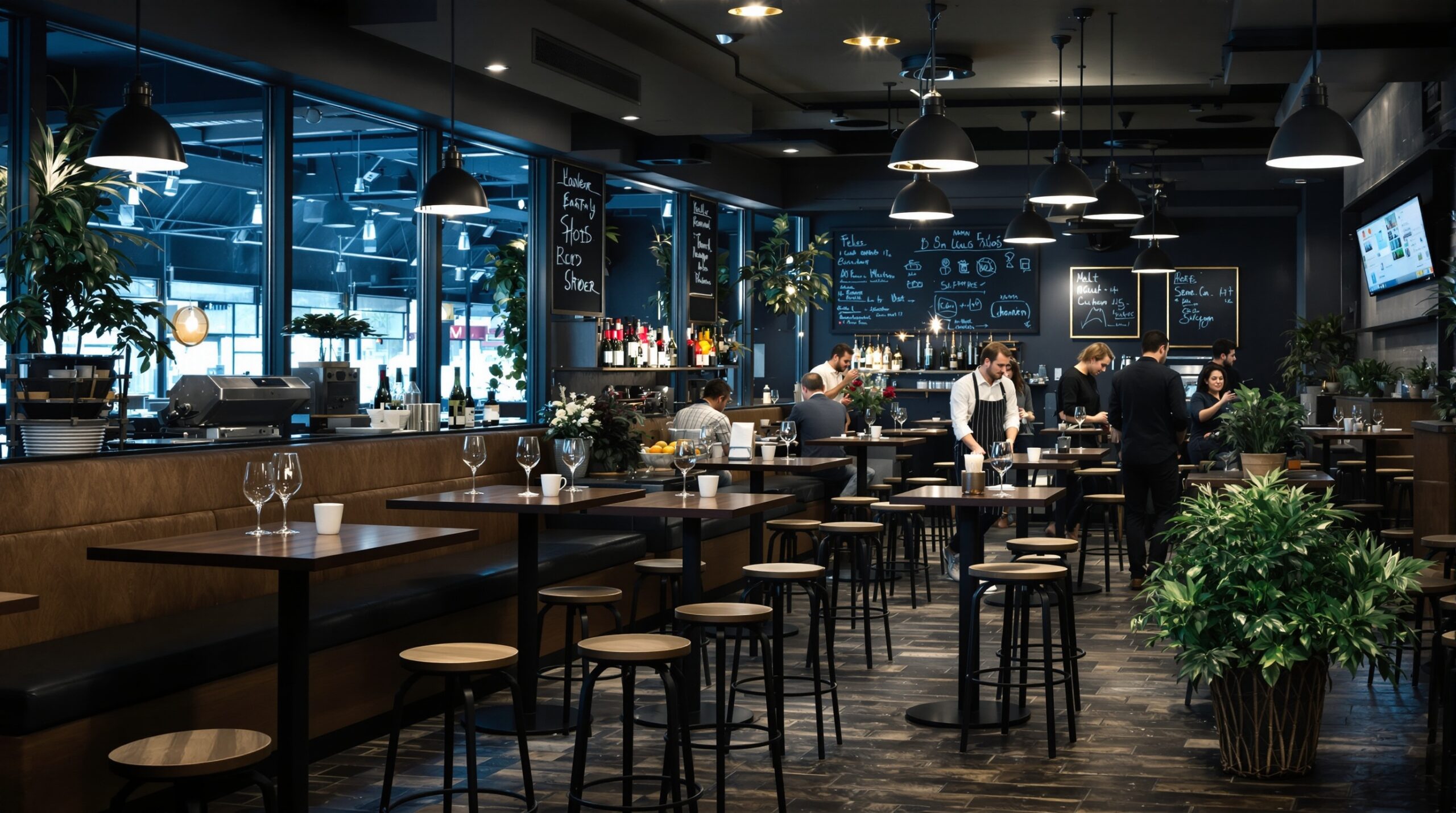
Menu Optimization and Cost Control
With food costs cited as a significant challenge by 96% of operators, many are swapping expensive menu items for more affordable ones, with 65% of full-service and 44% of limited-service operators making these changes in the past year[1]. Inventory and food waste management are critical for maintaining profitability, and operators are finding a balance between value and guest experience to drive sales.
Customer Retention as a Revenue Engine
On average, the customer retention rate in restaurants is 55%, versus a global cross-industry mean of 75%[2][6][20]. Furthermore, 70% of first-time customers do not return[4][14][6]. However, repeat guests drive 60-80% of restaurant revenues (60% average, up to 80% for top brands)[10][6]. Increasing customer retention by just 5% can boost profits by 25-95% (Harvard Business Review)[18]. Notably, customer service is a major differentiator, with 89% of guests saying it drives repeat business[6].
Loyalty Programs and Personalisation
Loyalty programs increase return rates by 41% and spending by 67%[4], and 75% of consumers favour brands with loyalty rewards[6]. Restaurants with email and SMS marketing see 67% more visits and up to 138% more spend[4]. Top proven strategies include flexible rewards, personalized offers, remembering guest preferences, and special occasion gifts[8][16]. Specific software and platforms for loyalty programs include Square Loyalty, Toast Loyalty, Paytronix, Olo, and Fishbowl[4][8][10][18].
Conclusion
In the dynamic UK restaurant industry, increasing revenue is a primary goal for operators. By optimizing menus, controlling costs, retaining customers, and leveraging loyalty programs and personalisation, restaurateurs can effectively increase their revenue and stay ahead of the competition. By implementing these smart strategies, operators can position their businesses for long-term success in the ever-evolving market.
Sources:
National Restaurant Association
TouchBistro
Sculpture Hospitality
Milagro
Nation’s Restaurant News
Square
Chowbus
Olo
Fishbowl
Klaviyo
