


In the ever-evolving world of beverages, a growing trend has emerged: low-calorie liquor drinks. These guilt-free sips are capturing the attention of health-conscious consumers across the UK, offering a refreshing alternative to traditional high-calorie alcoholic options.
Key Takeaways:
- Significant market growth with non-alcoholic products driving the category forward
- Millennials and Gen Z leading the charge, seeking healthier and more sustainable options
- Health and wellness claims at the forefront of innovation, including low-calorie and low-sugar profiles
The Rise of Low-Calorie Liquor Drinks
The low and no alcohol beverage market is experiencing a remarkable surge in popularity, with product launches growing 11% over the past five years and outpacing the overall alcoholic beverage market[1]. This trend is driven primarily by non-alcoholic products, which have seen a 37% increase in launches during the same period[1]. The non-alcoholic beverage market is projected to grow from £298.4 billion in 2024 to £457 billion in 2030, representing a staggering 7.4% annual growth rate[5].
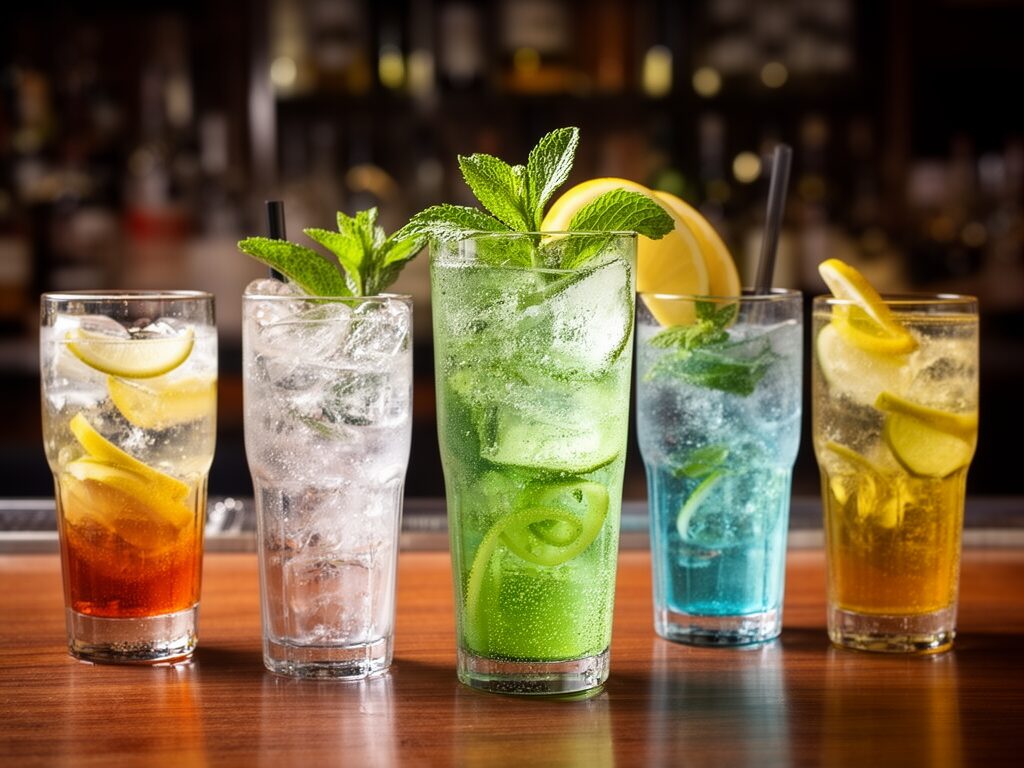
While 39% of UK consumers have purchased alcoholic beverages in the past year, only 13% have purchased low and no alcohol alternatives[1], indicating a significant untapped market. Interestingly, the consumption frequency between low and no alcohol drinkers and traditional alcohol drinkers is very similar, with around 64% of both groups consuming these products weekly[1], showcasing the strong repeat purchase potential of low-sugar alcoholic drinks.
Demographic Shifts and Targeted Audiences
The driving force behind the rise of low-calorie liquor drinks is the shifting consumer landscape, particularly the preferences of Millennials and Gen Z. These younger generations are increasingly seeking healthier options, with Millennials looking for attention-grabbing flavours and Gen Z consumers exploring alternative highs[1]. Meanwhile, Baby Boomers represent an important target segment, being more health-conscious and willing to pay premium prices for these beverages[1].
Health and Wellness at the Forefront
The low and no alcohol beverage market has experienced a significant shift towards health and wellness claims as the primary marketing angle[1]. Low-calorie claims have almost tripled in the last five years, while low sugar and no added sugar claims have emerged as dominant in the market[1]. Consumers are gravitating toward low-sugar and low-calorie options, such as light beer and dry wine, for health reasons[5].
Furthermore, the industry is exploring innovative ingredients, including adaptogens, cannabis, and botanicals, to create new and unique alcohol-free beverages that cater to the growing demand for health-conscious and functional drinks[1].
Emerging Trends and Future Opportunities
The low-calorie liquor drinks market is poised for continued growth, with several exciting trends on the horizon. Fermented and gut-friendly beverages, such as Kombucha, are becoming increasingly popular, offering benefits for the immune system, mood, and digestion[4]. Additionally, mood and mental wellness beverages featuring adaptogens and mushroom essences, like Lion’s Mane, are gaining traction as a means to combat stress and boost energy[4].
Another emerging trend is the popularity of CBD-infused drinks, which provide non-alcoholic stress and anxiety relief while supporting overall wellness[4]. Furthermore, the rise of Soju, a Korean clear, sweet, distilled spirit made from rice with ties to K-culture, is capturing the attention of consumers seeking new and diverse flavour profiles[4].
Lastly, the demand for locally sourced spirits is on the rise, as consumers seek to support small businesses, local economies, and appreciate the environmental benefits of reduced transportation[4].
Conclusion
The low-calorie liquor drinks market in the UK is undergoing a remarkable transformation, driven by the shifting preferences of health-conscious consumers, particularly Millennials and Gen Z. With a focus on health, wellness, and sustainability, these guilt-free sips offer a refreshing alternative to traditional high-calorie alcoholic options. As the industry continues to innovate and cater to evolving consumer demands, the future of low-calorie liquor drinks looks bright, promising a thriving and dynamic beverage landscape in the years to come.
Sources:
Innova Market Insights, “Low Alcohol Beverage Market Trends in the US”
National Restaurant Association, “What’s Hot in 2026? Healthier, Functional Beverages”
Ansira, “2026 Alcohol Trends: What to Expect in the Coming Year”
