

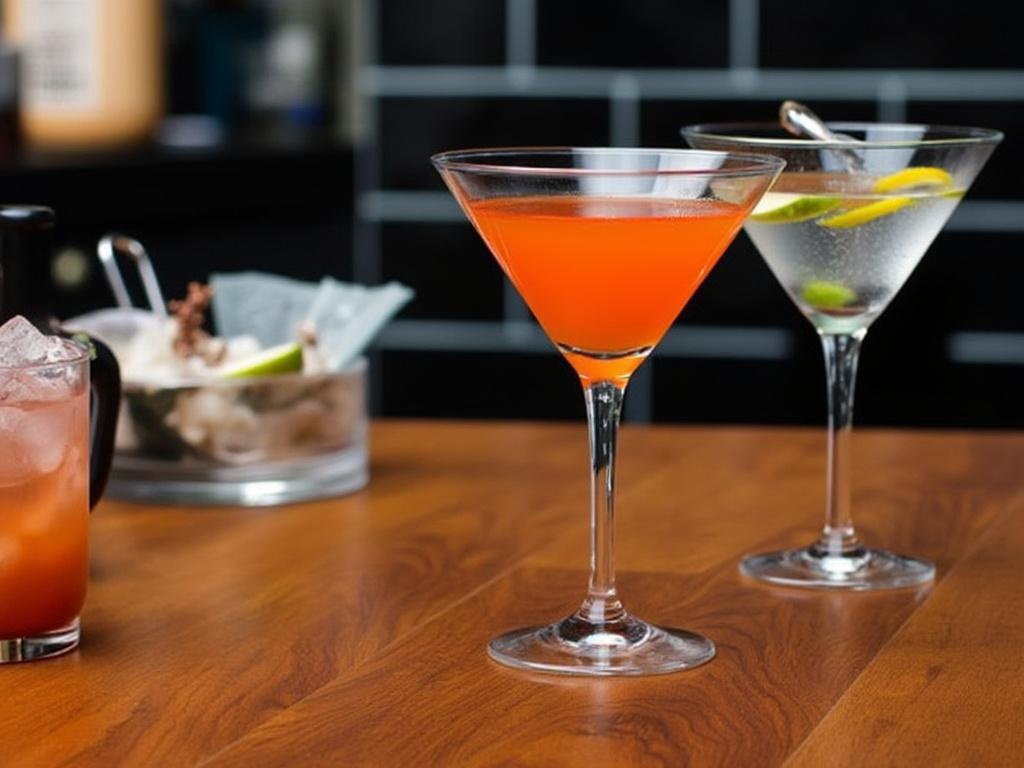
Martini Glass Cocktails: Stylish Serving
Introduction
The martini glass has long been a symbol of sophistication and elegance, gracing the hands of discerning drinkers from Hollywood to Wall Street. With its distinctive conical shape and long stem, this iconic glassware has become synonymous with the classic martini cocktail and a host of other stylish libations. Discover the rich history, functional advantages, and enduring appeal of the martini glass as a statement of refined taste.
Key Takeaways
- Iconic History – The martini glass evolved from the classic cocktail glass in the late 19th century, becoming a signature vessel for the growing popularity of martinis during the American gin boom.
- Functional Design – The long stem and wide rim of the martini glass help keep drinks colder for longer and allow for better aroma and flavour exposure.
- Versatile Serving – While primarily associated with martinis, the martini glass is also used for a range of “up” cocktails, from cosmopolitans to appletinis.
- Pop Culture Influence – The martini glass has become a symbol of sophistication, immortalised by figures like James Bond and the “three-martini lunch” tradition.
- Stylish Presentation – The signature silhouette of the martini glass features prominently in fashion, film, and even modern emojis, cementing its status as an enduring style icon.
The Evolution of the Martini Glass
The martini glass has a rich history that is closely intertwined with the rise of the martini cocktail itself. The distinctive glassware first emerged in the late 19th century, evolving from the broader cocktail glass that had been in use for decades. The classic “V-shaped” martini glass, with its conical bowl, long stem, and wide brim, became a distinct form in the early 20th century, as the martini’s popularity grew during the American gin boom of the Prohibition era.
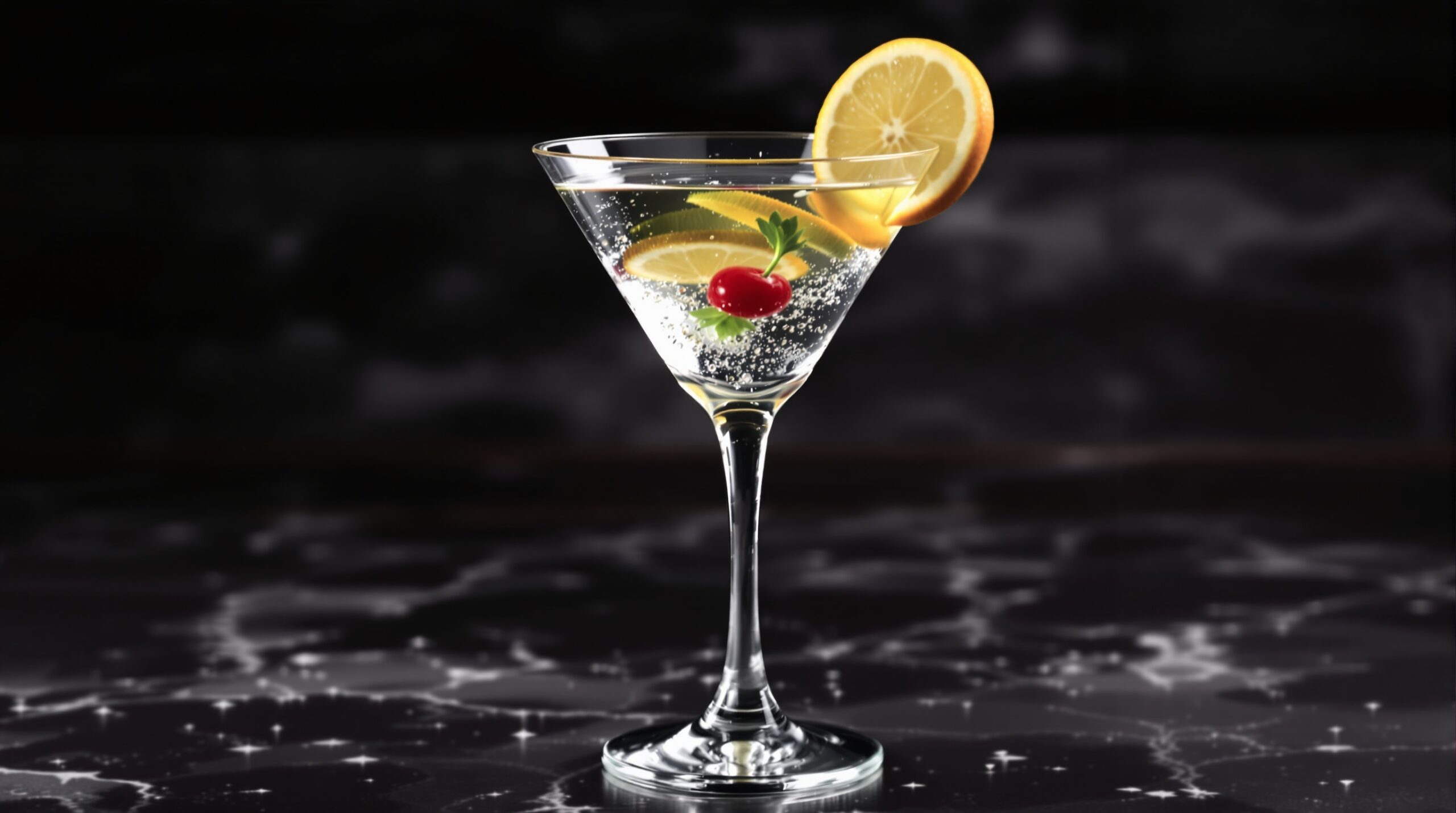
The martini glass’s design was tailored to enhance the temperature and taste of “up” cocktails, with the long stem minimizing contact with warm hands and the wide rim exposing more surface area to allow the botanicals of gin or vodka to “open up” and release their full aroma and flavour. The angled sides of the glass also help prevent ingredient separation, making for easy and stylish garnishing.
Martini Glass vs. Other Cocktail Glassware
While the martini glass is the signature vessel for martinis, cosmopolitans, and other “up” cocktails, it is not the only type of cocktail glassware in use. Martini glasses typically have a volume of 6 to 8 ounces (180 to 240 ml), while coupe glasses are slightly smaller, and classic cocktail glasses generally max out at 5 oz (150 ml).
The key differences in glassware types are:
- Martini Glass: Conical bowl, long stem, wide rim. Used for “up” cocktails like martinis, cosmopolitans, and appletinis.
- Coupe Glass: Shallow, broad bowl, short stem. Used for champagne and pre-martini cocktails.
- Classic Cocktail Glass: Rounded bowl, narrower rim, shorter stem. Used for Manhattans and other old-school drinks.
The Martini Glass as an Icon
The martini glass has become an enduring symbol of sophistication and style, immortalised in popular culture and embraced by the world’s most discerning drinkers. From its association with the “three-martini lunch” tradition of American executives to James Bond’s famous “shaken, not stirred” preference, the signature silhouette of the martini glass has become a global icon.
Beyond its practical functions, the martini glass has transcended the realm of cocktails, featuring prominently in fashion, film, and even modern digital emojis. Its timeless elegance and enduring style continue to captivate drinkers and non-drinkers alike, cementing the martini glass’s status as a true symbol of refined taste.
Conclusion
The martini glass is more than just a vessel for cocktails – it is a testament to the enduring appeal of classic style and sophistication. From its historical origins to its functional design and global cultural influence, the martini glass has solidified its place as an iconic piece of glassware, gracing the hands of discerning drinkers and style enthusiasts alike. Whether sipping a dry gin martini or simply admiring the glass’s elegant silhouette, the martini glass continues to captivate and inspire, embodying the timeless allure of refined taste.
Sources:
UniSQ News, “Alluring, classic, glamorous: the history of the martini cocktail”
Frankie Bones, “The History of the Martini Cocktail”
Sipsmith Gin, “The History of the Martini Glass”
Hudson Grace, “The Art of the Martini: History, Glassware, and Recipe”
VinePair, “The History of the Martini Glass”
