

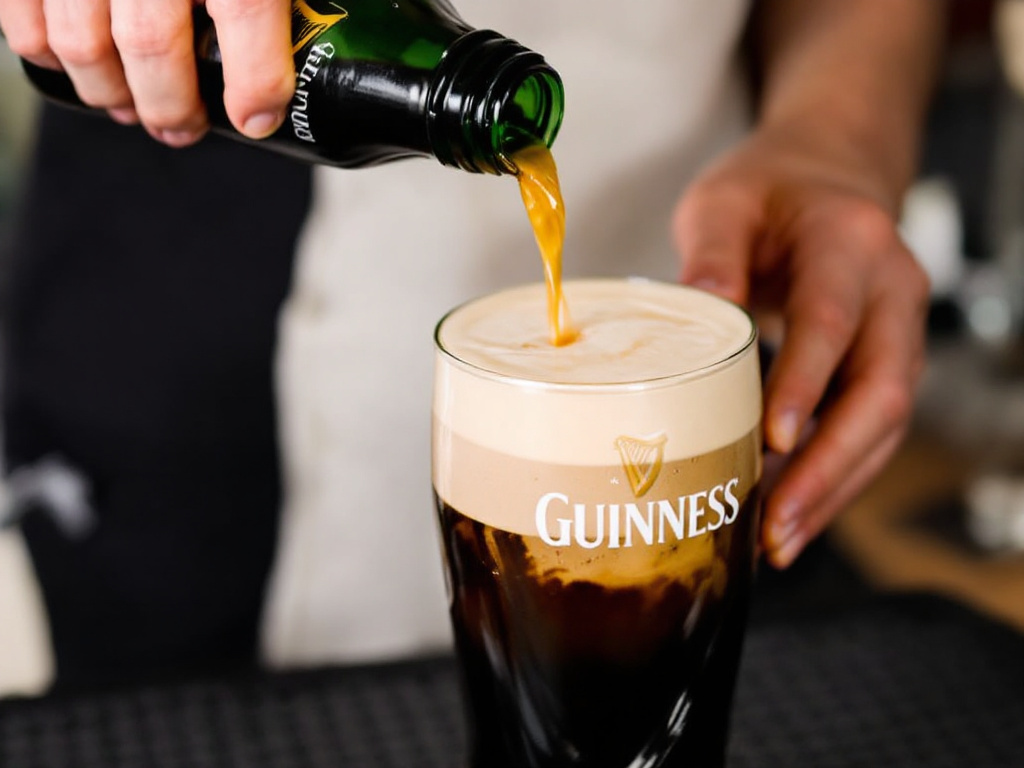
The Mini Guinness drink is a playful layered shot that mimics the iconic pint of stout in miniature form, typically combining coffee liqueur with Irish cream to recreate that famous black body and creamy white head. I’ll walk you through the recipe, history, serving tips and popular variations so you can pour a perfect mini Guinness at home.
Key Takeaways
- The mini Guinness drink contains no actual Guinness stout, despite its name.
- It uses Kahlúa and Baileys layered to imitate a pint of stout.
- The layering technique relies on density differences between the two liqueurs.
- It’s a popular party shot for St Patrick’s Day and Irish-themed events.
- Serving it chilled improves both taste and the visual effect.
What Is a Mini Guinness Drink?
The mini Guinness is a layered shot cocktail that looks remarkably like a tiny pint of Guinness stout. However, it contains no beer whatsoever. Instead, bartenders build it from coffee liqueur and Irish cream, creating that signature dark body with a creamy white top.
I love this drink because it’s a clever visual trick. The dark Kahlúa forms the “stout” while floated Baileys creates the iconic foamy head. Consequently, guests often do a double-take when they spot it on the bar.
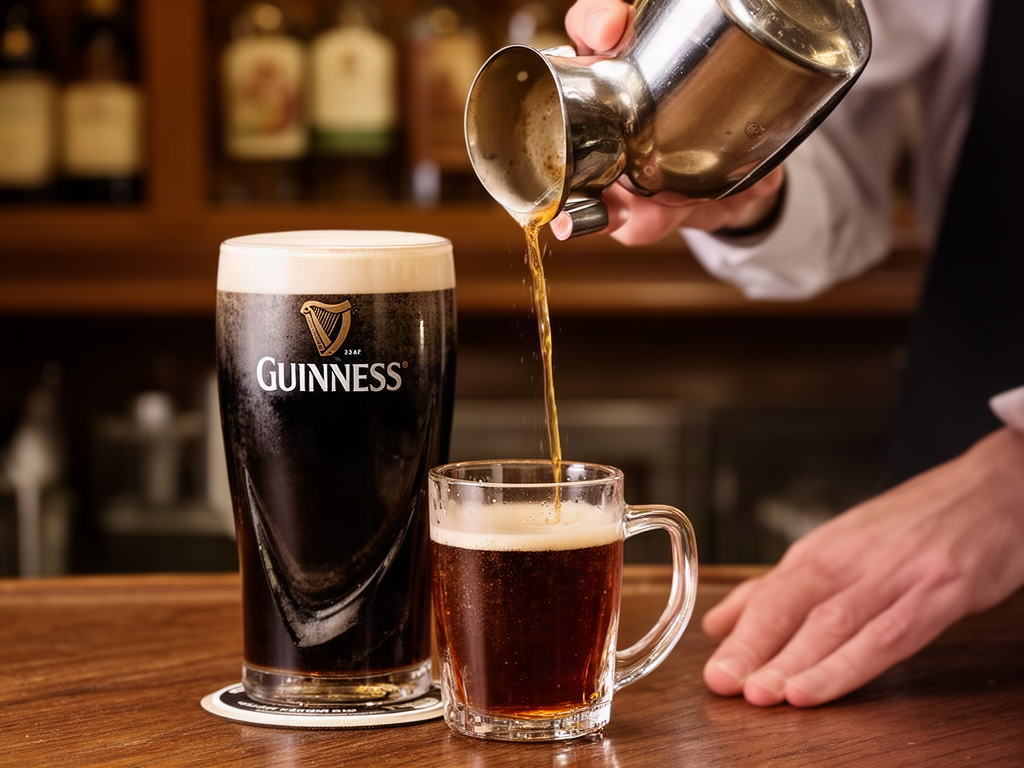
The Classic Mini Guinness Recipe
Making this shot at home is surprisingly simple. You’ll need just two ingredients and a steady hand. Here’s what to gather before you start:
- 45ml Kahlúa (or another coffee liqueur)
- 15ml Baileys Irish Cream
- A tall shot glass or small cordial glass
To assemble, pour the Kahlúa into your glass first. Then, slowly float the Baileys on top using the back of a spoon. This technique keeps the layers separate and creates that authentic stout appearance.
Why the Layering Works
The magic behind this shot comes down to liquid density. Kahlúa is denser than Baileys, so the Irish cream sits neatly on top. Additionally, pouring slowly reduces disturbance between layers.
If you rush the pour, the drink will curdle or mix. Therefore, patience matters here. For best results, chill both bottles beforehand, as cold liquids layer more cleanly.
Popular Variations to Try
Bartenders have created many twists on this classic. Some swap ingredients for different flavour profiles or dietary needs. Here are a few worth sampling:
- Dairy-free version: use oat-based Irish cream alternatives
- Espresso mini Guinness: add a splash of cold espresso for extra kick
- Chocolate twist: substitute crème de cacao for part of the Kahlúa
- Whiskey float: add a bar spoon of Irish whiskey between layers
Each variation keeps the iconic look intact. However, they bring new flavour dimensions worth exploring. If you enjoy layered drinks, you might also like my Negroni recipe guide for another bold, balanced classic.
When to Serve a Mini Guinness
This shot shines at themed gatherings, especially around 17 March each year. Furthermore, it’s a hit at Irish pub nights, birthdays and casual house parties. The novelty factor alone makes it a conversation starter.
I typically serve it as a pre-dinner treat or after-dinner digestif. The coffee and cream flavours pair beautifully with dessert. Moreover, it works well alongside chocolate-based puddings or tiramisu.
Tips for the Perfect Pour
Getting the presentation right takes a bit of practice. However, these pointers will help you nail it first time. Consider the following expert tips:
- Chill your shot glass in the freezer for 10 minutes
- Use a bar spoon inverted just above the Kahlúa surface
- Pour Baileys at an angle for a cleaner separation
- Fill only three-quarters full to mimic a proper pint’s head-to-body ratio
- Serve immediately, as layers naturally blend over time
For example, professional bartenders often use a small measuring jigger to control the flow. This precision makes a noticeable difference in the final presentation.
Fun Facts About the Mini Guinness
The drink’s exact origin remains disputed, but it gained popularity in Irish-themed bars during the 1990s. Since then, it’s become a staple of St Patrick’s Day celebrations worldwide. Interestingly, Guinness itself has never officially endorsed the shot.
Additionally, the drink has spawned countless social media trends. Videos showcasing the layering technique regularly go viral each March. For instance, TikTok clips of perfect pours often reach millions of views.
Pairing and Comparison with Other Cocktails
The mini Guinness fits into a broader family of layered shooters. Its cousins include the B-52, Slippery Nipple and Irish Car Bomb. Each uses similar density principles to achieve their signature looks.
If you fancy a refreshing contrast, try pairing it with something lighter. An Aperol Spritz makes a brilliant aperitif before the mini Guinness dessert shot. Alternatively, a zesty Margarita offers a citrus-forward counterpoint to the rich, creamy shot.
Cost and Where to Buy Ingredients
Both key ingredients are widely available across UK supermarkets. A 700ml bottle of Kahlúa typically costs around £18–£22. Baileys of the same size ranges from £14 to £18, depending on retailer promotions.
Therefore, you can stock up for under £40 and make dozens of shots. Furthermore, both bottles keep well once opened, making them sensible additions to any home bar.
Common Mistakes to Avoid
Even seasoned home bartenders occasionally slip up with this shot. However, most errors are easy to fix. Watch out for these pitfalls:
- Pouring the Baileys too quickly, causing the layers to merge
- Using warm liqueurs, which don’t layer as cleanly
- Filling the glass completely, leaving no room for the “head”
- Skipping the spoon technique altogether
Consequently, practising with cheaper spirits first can save you money. Once you’ve mastered the pour, move on to premium bottles for the real thing.
Conclusion
The mini Guinness drink combines simplicity and showmanship in one small glass. With just Kahlúa and Baileys, you can recreate an iconic look that delights guests every time. Moreover, the technique itself is easy to master with a little practice.
Whether you’re hosting a St Patrick’s Day party or simply want a fun after-dinner treat, this layered shot delivers. So gr
Sources:
OECD
World Economic Forum
McKinsey Global Institute
International Labour Organization
PwC
Boston Consulting Group
Microsoft
IBM
Accenture
Brookings Institution
International Federation of Robotics
European Commission
White House
UK Government
Personal Data Protection Commission Singapore
