


The growing demand for non-alcoholic cocktails, or “mocktails,” has transformed the beverage landscape. Driven by health-conscious consumers, the “sober curious” movement, and the rising influence of Gen Z and millennials, the global non-alcoholic beverage market is projected to reach £225.62 billion in the U.S. by 2030.
Growing demand for non-alcoholic drinks
Incorporation of functional ingredients like adaptogens and probiotics
Popularity of ready-to-drink (RTD) mocktails
Consumers seek sophisticated flavours similar to traditional cocktails
Innovative brands leading the non-alcoholic landscape
https://www.youtube.com/watch?v=7gqN96qD4B0
Crafting Delightful Non-Alcoholic Cocktails
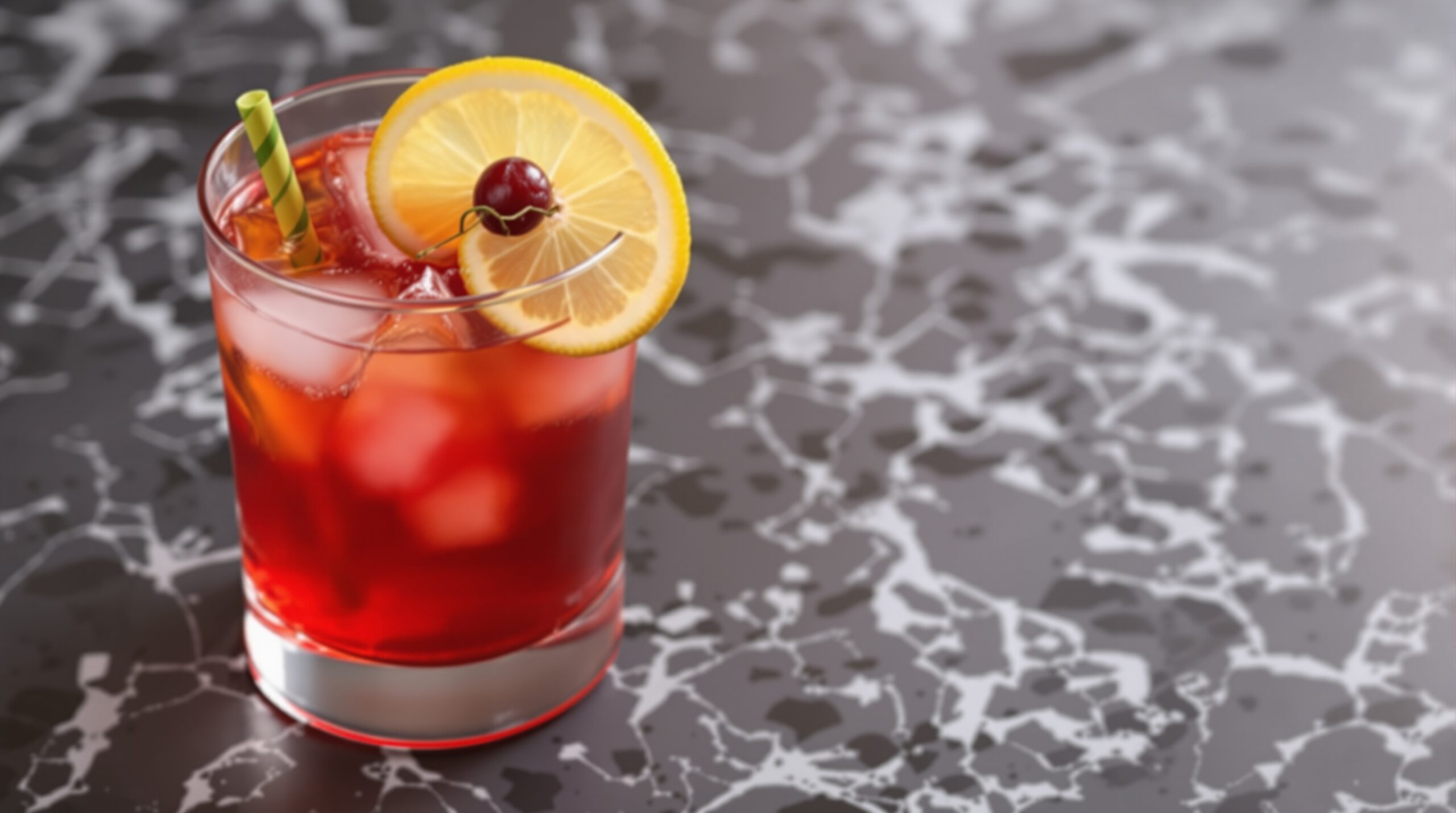
Some of the most popular mocktail recipes include the Shirley Temple, Virgin Pina Colada, and Virgin Margarita. These easy mocktails can be crafted at home with a few simple ingredients.
Many brands are also incorporating functional ingredients like adaptogens (e.g., ashwagandha), nootropics, and probiotics into their non-alcoholic beverages to provide additional health benefits.
Emerging Trends in Non-Alcoholic Beverages
The non-alcoholic beverage market is constantly evolving, with several emerging trends that cater to the growing demand for sophisticated, complex flavours.
One notable trend is the increasing popularity of ready-to-drink (RTD) mocktails, with brands like Kin Euphorics and De Soi leading the charge. These convenient options offer consumers the flavour experience of a traditional cocktail without the alcohol.
Additionally, health-conscious consumers are seeking premium non-alcoholic alternatives that mimic the complexity of their alcoholic counterparts. Brands like Seedlip and Little Saints have risen to the occasion, offering high-quality, sophisticated non-alcoholic spirits and mixers.
Innovative Brands Shaping the Non-Alcoholic Landscape
The non-alcoholic beverage market is rapidly evolving, with innovative brands leading the charge. Companies like Curious Elixirs, which offers adaptogen-infused mocktails, and Ghia, which produces probiotic-based drinks, are pioneering the industry.
Other notable players include Little Saints, with their plant-based non-alcoholic spirits, and Avec, which offers a range of low-sugar mixers to complement the easy mocktails trend.
Conclusion
The rise of non-alcoholic cocktails has transformed the beverage landscape, catering to the growing demand for healthier, sophisticated alternatives to traditional alcoholic drinks. From innovative brands to the incorporation of functional ingredients, the non-alcoholic beverage industry is continuously evolving to meet the needs of health-conscious consumers and the “sober curious” movement.
Sources:
Accio Trends: “2025 Mocktail Trends: Market Growth, Functional Ingredients & More”
Mintel: “Non-Alcoholic Drinks Market Growth & Insights”
Blackthorns Design: “Non-Alcoholic Beverage Trends 2025: Complete Analysis”
Numerator: “Non-Alcoholic Beverage Trends”
Monin US: “Top Non-Alcoholic Beverage Trends for 2025”
YorkTest: “Mocktails Are The New Cocktails”
The Good Trade: “15 Best Non-Alcoholic Drink Alternatives (2025 Review)”
