Rum Coke Drink
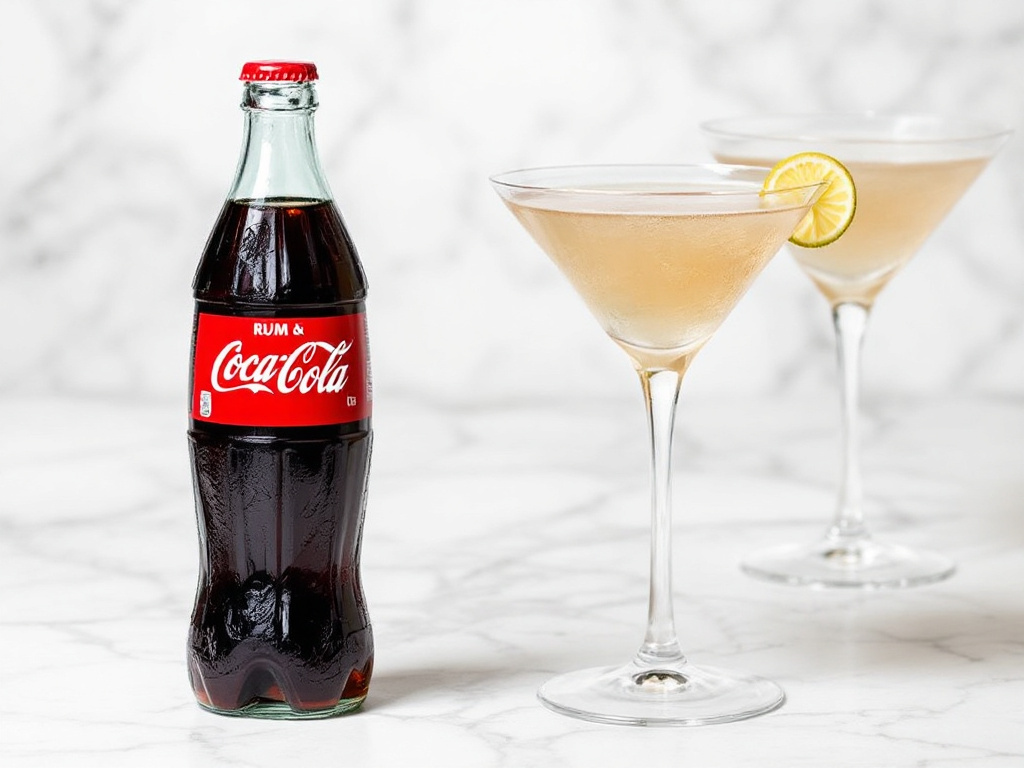
The rum coke drink is a timeless two-ingredient classic that pairs the warmth of rum with the fizzy sweetness of cola, creating one of the most ordered highballs in British pubs and bars. Known as the Cuba Libre when served with lime, this simple serve has shaped cocktail culture since the early 1900s and continues to lead sales in the ready-to-drink category.
In this guide
Key Takeaways
- The rum and cola combination originated in Cuba around 1900 and became a global staple.
- Adding a fresh lime wedge transforms a plain rum coke into an authentic Cuba Libre.
- Choosing a quality aged rum dramatically improves the depth and flavour of the drink.
- The ideal ratio sits around 1 part rum to 2 or 3 parts cola for balance.
- Ready-to-drink rum and cola cans are among the fastest-growing segments in UK off-trade sales.
The Origins and Appeal of the Rum Coke Drink
I find the history of this cocktail genuinely fascinating. The drink appeared in Havana shortly after Coca-Cola arrived in Cuba around 1900. American soldiers reportedly toasted “¡Por Cuba libre!” meaning “for a free Cuba”, and the name stuck. Consequently, this humble serve became a symbol of celebration.
Today, the rum coke drink enjoys enduring popularity because it’s affordable, easy to prepare and endlessly adaptable. Moreover, it suits both casual drinkers and seasoned cocktail fans. For a wider look at classic serves, I’d suggest browsing a guide to cocktail ingredients and recipes to broaden your repertoire.
Choosing the Right Rum
Picking the correct rum makes an enormous difference. For example, white rum delivers a crisp, clean profile, while golden rum adds caramel and vanilla notes. Additionally, aged dark rums bring smoky, oak-driven depth that transforms the drink into something richer.
Here are the main rum styles I recommend trying:
- White rum – light, dry and ideal for a traditional Cuba Libre.
- Golden rum – smoother, slightly sweet and great for everyday sipping.
- Dark aged rum – full-bodied with molasses and spice complexity.
- Spiced rum – infused with cinnamon, clove and vanilla for warmth.
Furthermore, premium brands like Havana Club, Bacardi Reserva and Mount Gay elevate the serve considerably. A bottle between £20 and £35 typically delivers excellent results without stretching the budget.
Picking the Perfect Cola
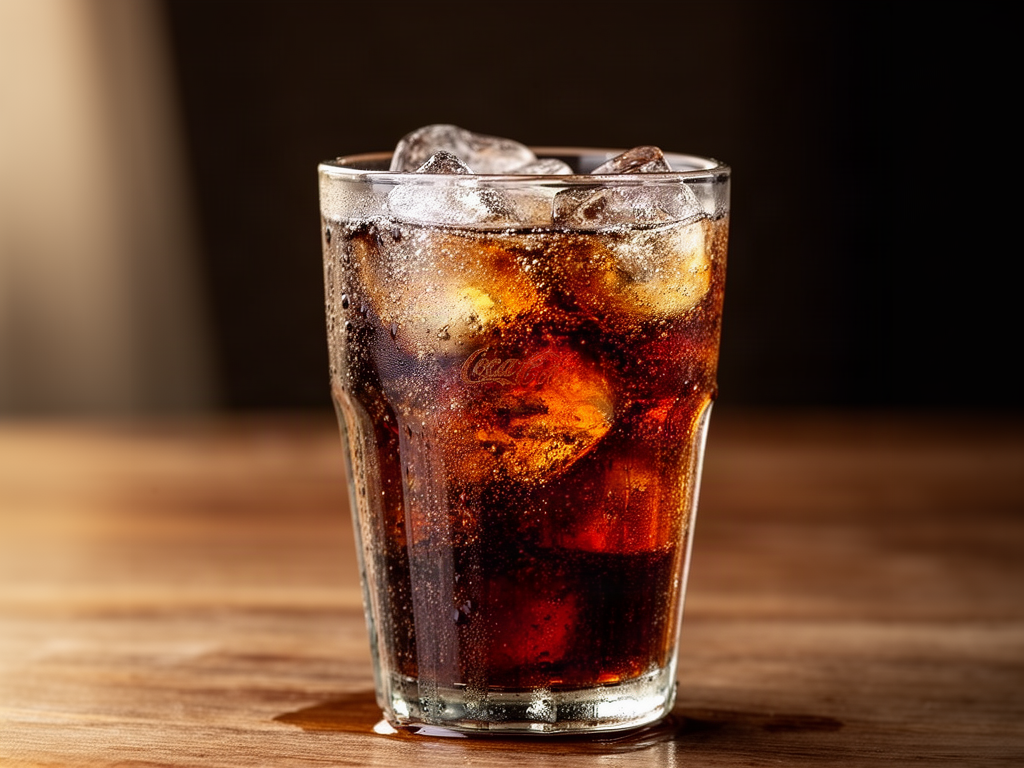
The cola choice matters far more than most people realise. Coca-Cola remains the traditional partner because its vanilla and citrus notes complement rum beautifully. However, Mexican Coke made with cane sugar offers a cleaner finish that many bartenders prefer.
Additionally, craft colas such as Fentimans or Fever-Tree Madagascan Cola provide artisanal depth. Therefore, if you want a more sophisticated serve, these premium mixers are worth the extra pound or two. You can explore more options in my overview of cocktail mixers and recipes.
Getting the Ratio Right
Balance is everything with such a simple drink. I typically pour 50ml of rum over ice, then top with 100-150ml of cola. Consequently, the rum shines through without being drowned out by sweetness.
Here’s my preferred method:
- Fill a highball glass with fresh cubed ice.
- Pour 50ml of your chosen rum over the ice.
- Squeeze a lime wedge into the glass and drop it in.
- Top up with 100-150ml of chilled cola.
- Stir gently with a bar spoon to combine.
Moreover, using large, slow-melting ice cubes keeps the drink colder for longer without diluting it quickly.
Common Mistakes to Avoid
I’ve seen plenty of bartenders rush this drink, treating it as too simple to care about. However, small errors ruin the experience quickly. For instance, flat cola from an opened bottle flattens the entire serve.
Watch out for these frequent pitfalls:
- Using warm cola instead of chilled bottles.
- Skipping the lime, which adds essential brightness.
- Pouring over crushed ice, which dilutes the drink too fast.
- Choosing cheap rum that overpowers rather than complements the cola.
- Over-stirring, which kills the carbonation.
Therefore, treating each step with care rewards you with a far superior glass.
Creative Variations Worth Trying
Once you’ve mastered the classic, experimentation becomes genuinely rewarding. For example, swapping cola for cherry cola introduces fruity sweetness, while adding a dash of Angostura bitters brings herbal complexity. Additionally, a splash of coconut rum turns the drink tropical.
Some variations I regularly make include:
- Dark & Stormy twist – use dark rum with cola and a dash of ginger beer.
- Spiced Cuba Libre – replace white rum with Kraken or Sailor Jerry.
- Mint Mojito-Coke – muddle mint leaves before adding rum and cola.
- Smoky serve – finish with a few drops of mezcal for depth.
Furthermore, if you enjoy exploring classic cocktails, my guide to Negroni ingredients and taste offers another timeless serve to master.
The Rise of Ready-to-Drink Rum and Cola
The RTD category has exploded across UK supermarkets. Brands like Bacardi, Captain Morgan and Dead Man’s Fingers now sell pre-mixed cans between £2 and £3.50. Consequently, convenience drives much of this growth, particularly among younger drinkers.
Moreover, premium canned versions often use real sugar and genuine cola rather than concentrate. Therefore, quality has improved significantly in recent years, making them a legitimate option for picnics, festivals and home gatherings.
Serving Suggestions and Food Pairings
I love serving rum and cola alongside bold, smoky dishes. For instance, barbecue ribs, jerk chicken and spiced burgers all pair beautifully. Additionally, salty snacks like plantain crisps or seasoned nuts work brilliantly as accompaniments.
For a party setting, I’d suggest batching the drink in a large jug with plenty of ice, lime wheels and a cinnamon stick for garnish. Furthermore, serving in chilled highball glasses keeps everything refreshingly cold throughout the evening.
Conclusion
The rum coke drink proves that simplicity, done well, beats complication every time. By choosing quality rum, chilled cola, fresh lime and proper ice, I can transform a two-ingredient highball into something memorable. Whether you prefer the traditional Cuba Libre or a mod
Sources:
Eurostat
UN DESA
HubSpot
DataReportal
IWSR
Grand View Research
Mintel