Vermouth Mixed Drinks

Introduction
Vermouth mixed drinks blend aromatised, fortified wine with spirits, bitters or sparkling mixers to create balanced cocktails ranging from the classic Martini to the Negroni. I’ll walk you through the main styles, essential recipes, and practical tips for serving vermouth at home with confidence.
In this guide
Key Takeaways
- Vermouth is a fortified wine flavoured with botanicals, typically bottled at 15-18% ABV.
- The two main styles are sweet (red) and dry (white), each suited to different cocktails.
- Classic serves include the Martini, Manhattan and Negroni, all built around vermouth.
- Once opened, vermouth should be refrigerated and used within four to six weeks.
- Quality brands typically cost between £10 and £25 per bottle in the UK.
Understanding Vermouth and Its Role in Cocktails
Vermouth is an aromatised wine fortified with a neutral spirit and infused with botanicals like wormwood, gentian and citrus peel. Originating in Turin in the late 18th century, it’s now a staple behind every serious bar. I always keep two bottles open: one sweet, one dry.
There are three main categories you’ll encounter on UK shelves. For example, each has a distinct flavour profile and recommended use:
- Sweet (Rosso) – rich, herbal and slightly bitter, perfect for a Negroni or Manhattan.
- Dry – crisp and lightly bitter, essential for a Dry Martini.
- Bianco – floral and sweeter than dry, lovely over ice with tonic.
Vermouth mixed drinks rely on this botanical complexity to balance stronger spirits. Consequently, choosing a decent bottle makes a noticeable difference. Brands like Dolin, Cocchi and Martini Riserva Speciale sit in the £12-£22 range and perform brilliantly.
Classic Vermouth Cocktails to Try at Home
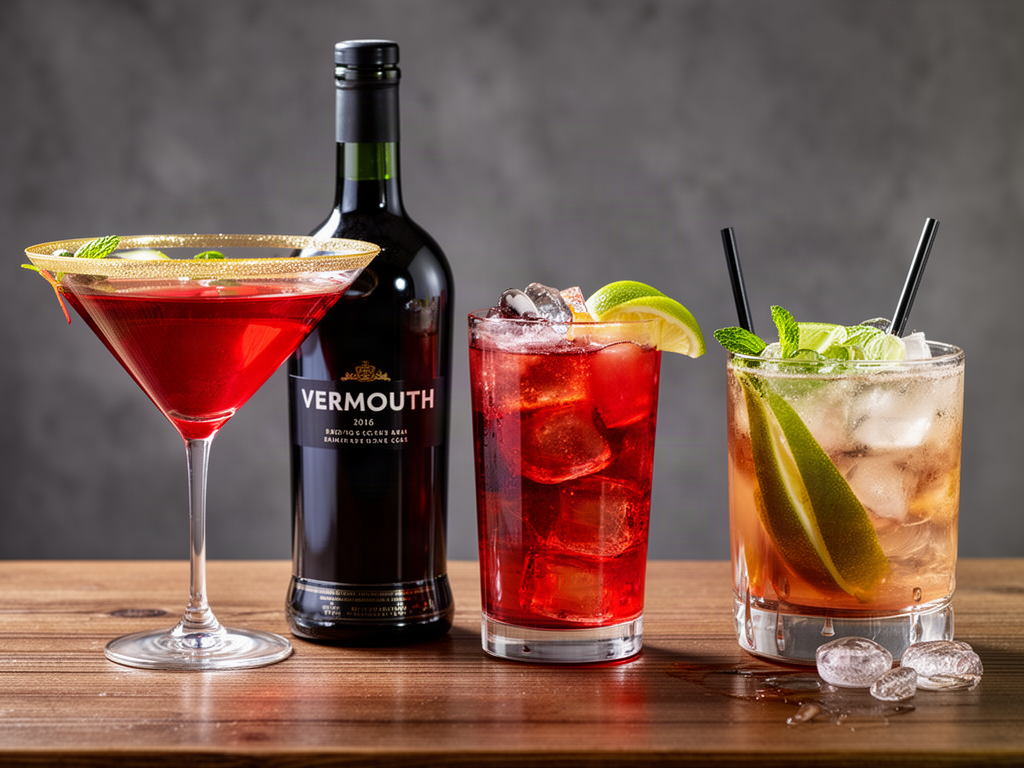
I’ll start with the undisputed champion of aperitivo hour. The Negroni combines equal parts gin, Campari and sweet vermouth over ice, garnished with orange peel. For a deeper look at its make-up, my guide to Negroni ingredients covers everything you need.
Here are three more classics worth mastering, each demonstrating vermouth’s versatility:
- Dry Martini – 60ml gin, 10ml dry vermouth, stirred with ice and strained.
- Manhattan – 50ml rye whiskey, 25ml sweet vermouth, two dashes of Angostura bitters.
- Americano – 30ml Campari, 30ml sweet vermouth, topped with soda water.
Additionally, don’t overlook the 50/50 Martini, which uses equal parts gin and dry vermouth. This lower-ABV serve has become fashionable in London cocktail bars since 2023. Moreover, it’s a brilliant introduction for anyone finding spirit-forward drinks too strong.
Tips for Mixing, Storing and Buying Vermouth
Vermouth is wine, so it oxidises quickly once opened. I store mine in the fridge and use it within six weeks. Furthermore, buying 375ml bottles rather than 750ml often makes sense if you only drink the occasional Martini.
For mixing at home, I keep a few rules in mind. Firstly, always stir vermouth cocktails rather than shake them to preserve clarity. Secondly, measure precisely; vermouth’s bitterness can quickly dominate. Finally, taste your vermouth neat before mixing, as a tired bottle will ruin the drink.
If you’re building a home bar, these foundational bottles pair well with vermouth:
- London dry gin – for Martinis and Negronis.
- Rye or bourbon whiskey – for Manhattans and Rob Roys.
- Campari or Aperol – for Americanos and Negronis.
For broader inspiration, my cocktail ingredients guide covers everything from syrups to bitters. Additionally, if you’d rather work from what’s in your cupboard, try my cocktail search by ingredient tool to find matching recipes instantly.
Conclusion
Vermouth is one of the most versatile ingredients you can keep behind the bar, bridging wine and spirits with botanical finesse. Therefore, investing in one decent dry and one sweet bottle unlocks dozens of classic recipes. Store them cold, measure carefully, and you’ll make bar-quality drinks at home with ease.