


The dry martini is a classic cocktail that has stood the test of time, epitomising sophistication and elegance. Its crisp, aromatic flavour has captivated discerning drinkers for generations, making it a staple in the world of mixology. Whether you’re a seasoned cocktail enthusiast or new to the art of bartending, understanding the intricacies of the dry martini can elevate your drinking experience.
Key Takeaways
- Dry Martini Definition – A dry martini is a cocktail made with gin and dry vermouth, typically in a 2:1 or 3:1 ratio, with a garnish of an olive or a lemon twist.
- Origin and History – The dry martini has its roots in the late 19th century and has evolved over time, with various interpretations and adaptations.
- Ingredients and Ratios – The key ingredients in a dry martini are gin and dry vermouth, with the ratio of gin to vermouth determining the “dryness” of the cocktail.
- Garnish and Serving – A dry martini is typically served chilled and garnished with an olive or a lemon twist, which can significantly impact the overall flavour profile.
- Mixing Techniques – Proper mixing techniques, such as stirring or shaking, can also influence the texture and dilution of the dry martini.
What Is a Dry Martini?
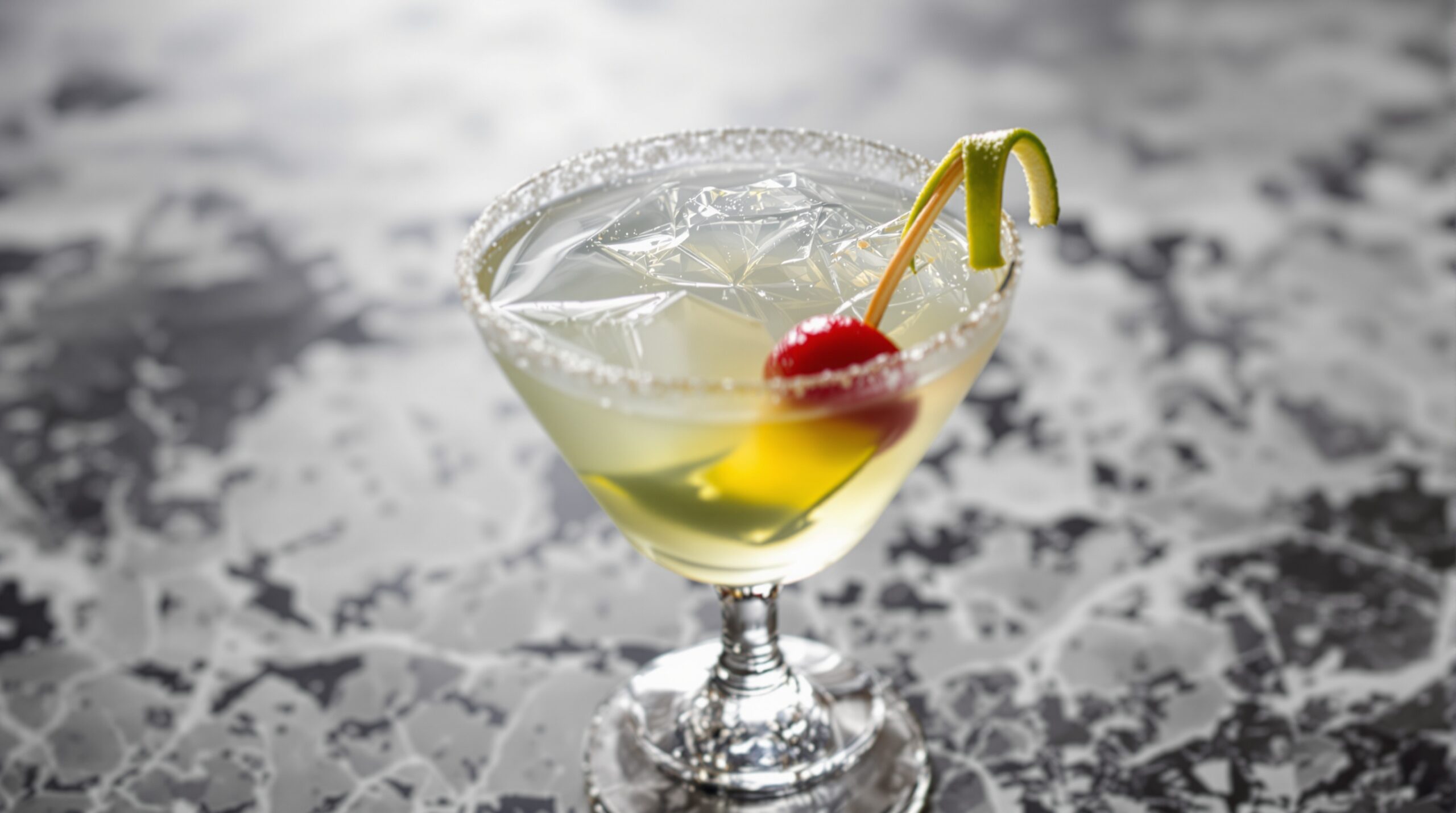
A dry martini is a classic cocktail made with gin and dry vermouth, typically in a 2:1 or 3:1 ratio. The precise ratio of gin to vermouth is what determines the “dryness” of the martini, with a higher proportion of gin resulting in a drier, more spirit-forward flavour. The cocktail is traditionally served chilled, either straight up in a martini glass or on the rocks in a lowball glass, and is often garnished with an olive or a lemon twist.
The origins of the dry martini can be traced back to the late 19th century, with various accounts and interpretations of its creation. Over the years, the dry martini has evolved and become a staple in the world of mixology, with bartenders and enthusiasts experimenting with different gins, vermouths, and garnishes to create their own unique variations.
Ingredients and Ratios
The key ingredients in a dry martini are gin and dry vermouth. The ratio of these two ingredients is crucial in determining the overall flavour profile of the cocktail. A classic dry martini is typically made with a 2:1 or 3:1 ratio of gin to vermouth, though some prefer an even drier version with a 4:1 or 5:1 ratio.
The choice of gin can also significantly impact the flavour of the dry martini. Bartenders and enthusiasts often experiment with different styles of gin, from classic London dry gins to more modern and botanical-forward expressions. Similarly, the selection of dry vermouth can influence the overall profile, with some preferring a more assertive, herbal vermouth while others opt for a subtler, more delicate expression.
Garnish and Serving
The garnish used in a dry martini can also play a crucial role in the overall flavour profile of the cocktail. The traditional garnish is an olive, but a lemon twist is also a popular choice. The olive offers a briny, savoury note that can complement the gin and vermouth, while the lemon twist provides a bright, citrusy aroma and flavour.
Dry martinis are typically served chilled, either straight up in a martini glass or on the rocks in a lowball glass. The method of serving can also impact the texture and dilution of the cocktail, with some preferring a more concentrated, spirit-forward version while others enjoy a slightly more diluted, smoother drink.
Mixing Techniques
The way a dry martini is mixed can also influence the final result. Some prefer to stir the ingredients together, which results in a silkier, more texture-focused cocktail. Others opt to shake the cocktail, which can create a slightly more aerated and diluted version. The choice between stirring or shaking ultimately comes down to personal preference and the desired outcome.
Regardless of the mixing technique, the key to a well-executed dry martini is to ensure that the gin and vermouth are thoroughly chilled and combined, resulting in a harmonious and balanced cocktail that showcases the unique flavours of each ingredient.
Conclusion
The dry martini is a timeless and sophisticated cocktail that continues to captivate drinkers around the world. By understanding the nuances of its ingredients, ratios, garnishes, and mixing techniques, you can unlock a world of flavour and create your own unique interpretation of this classic drink. Whether you prefer a crisp, spirit-forward version or a smoother, more diluted take, the dry martini is a versatile and enduring cocktail that is sure to elevate any drinking experience.
Sources:
