What is Aperol Spritz
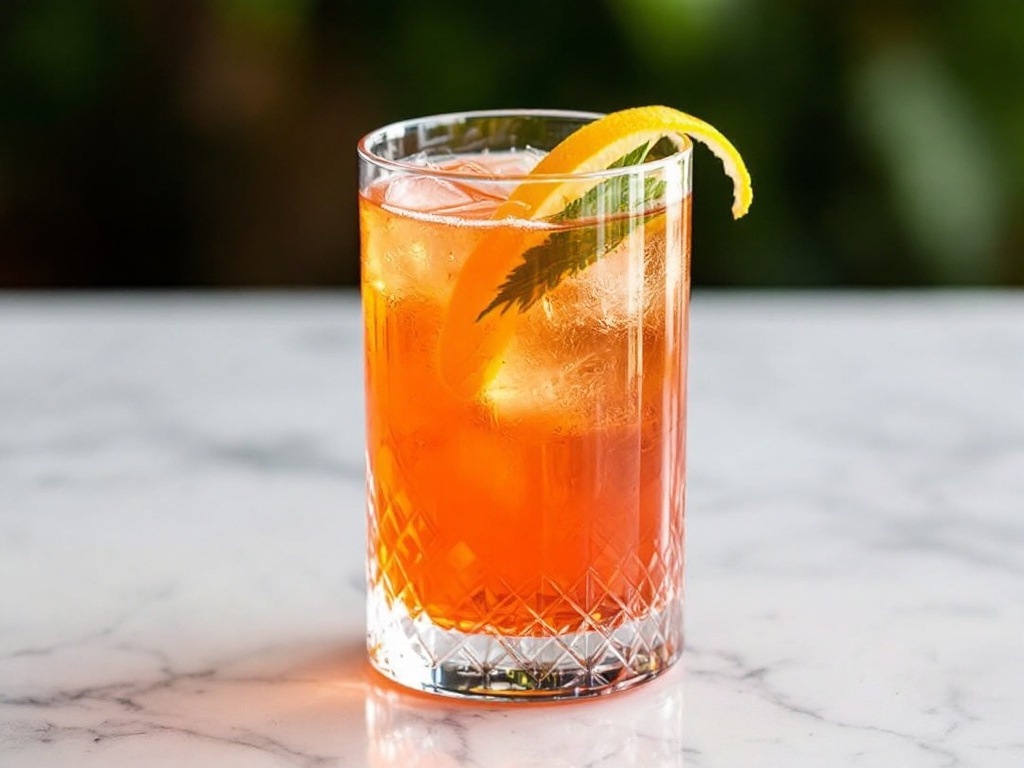
The Aperol Spritz is Italy’s most exported cocktail, blending Aperol bitter aperitif, Prosecco and soda water over ice with an orange garnish. Introduced in Padua in 1919, this vibrant orange drink balances bittersweet citrus with light effervescence, making it the definitive pre-dinner serve across Europe.
In this guide
Key Takeaways
- Aperol Spritz uses a classic 3-2-1 ratio: three parts Prosecco, two parts Aperol, one part soda.
- The drink offers a bittersweet orange flavour with rhubarb and gentian botanicals.
- Aperol contains just 11% ABV, making the finished spritz light at around 8% ABV.
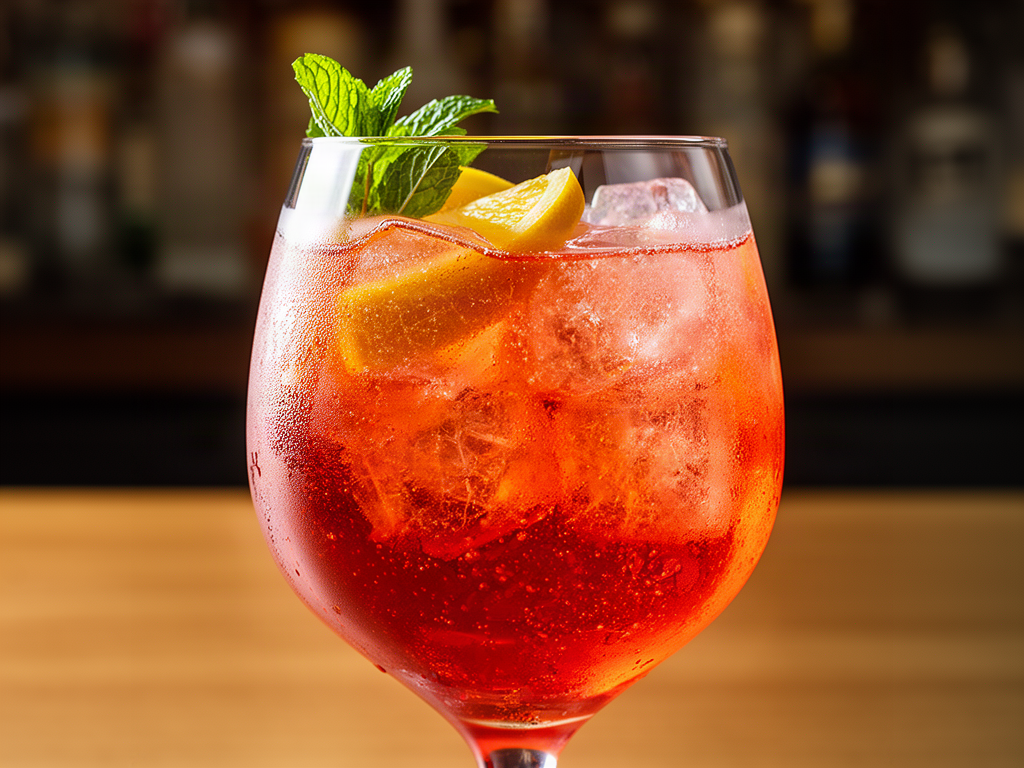
- Serve in a large wine glass with plenty of ice and an orange slice.
- The cocktail became an official IBA recognised drink in 2011.
What Is Aperol Spritz? A Complete Introduction
So, what is Aperol Spritz? It’s an Italian aperitif cocktail made by mixing Aperol, Prosecco and a splash of soda water. I consider it the benchmark for casual outdoor drinking, particularly during warm afternoons. The drink’s bright orange hue and low alcohol content make it uniquely refreshing.
Aperol itself was created by the Barbieri brothers in Padua, Italy, in 1919. However, the spritz format we recognise today gained global traction in the early 2000s. Today, it ranks among the world’s most-ordered cocktails, according to Drinks International’s annual brand reports.
The Core Ingredients Explained
The beauty of this drink lies in its simplicity. Furthermore, each ingredient plays a specific role in balancing sweetness, bitterness and fizz. I always recommend using fresh, chilled components for the best result.
Here are the four essential ingredients you’ll need:
- Aperol – an 11% ABV Italian bitter liqueur made from bitter and sweet oranges, rhubarb, gentian and cinchona.
- Prosecco – a dry Italian sparkling wine, ideally Extra Dry or Brut style.
- Soda water – adds effervescence and lightens the palate.
- Orange slice – the traditional garnish, enhancing the citrus aroma.
Additionally, large ice cubes are essential. They melt slowly, keeping the drink cold without excessive dilution. For those exploring similar mixology traditions, my guide to rum cocktails complete guide covers comparable pre-dinner classics.
How Does Aperol Spritz Taste?
The flavour profile is genuinely distinctive. Initially, you’ll notice a sweet orange burst on the palate. Then, a gentle bitterness emerges from the gentian and rhubarb botanicals. Finally, the Prosecco’s dry acidity cuts through, leaving a clean, refreshing finish.
Consequently, the spritz feels lighter than many cocktails despite its complex bitter-sweet character. For example, compared to a Negroni, it’s roughly one-third the alcoholic strength. Moreover, the soda water adds a crisp effervescence that suits Mediterranean weather perfectly.
I’d describe the aroma as zesty and herbaceous, with subtle notes of vanilla and clove. Therefore, first-time drinkers often find it more approachable than other Italian bitters like Campari or Cynar.
The Classic 3-2-1 Recipe
The International Bartenders Association officially recognised the Aperol Spritz in 2011. Their standard ratio is straightforward and easy to remember. However, some Venetians prefer equal parts of Aperol and Prosecco for a stronger bitter kick.
Follow these steps for the authentic serve:
- Fill a large wine glass with ice cubes to the brim.
- Pour 90ml Prosecco over the ice first.
- Add 60ml Aperol slowly to create a layered effect.
- Top with a splash (30ml) of chilled soda water.
- Garnish with a fresh orange slice and serve immediately.
Additionally, never stir vigorously. A gentle swirl preserves the carbonation. For alternative summer serves, my rum cocktail recipes collection offers plenty of variations worth trying.
The History and Cultural Significance
The spritz tradition dates back to the Austro-Hungarian Empire, when soldiers stationed in the Veneto region added water to strong local wines. Later, in 1919, the Barbieri brothers developed Aperol as a lower-alcohol alternative to Campari. It targeted health-conscious drinkers of the era.
However, global recognition came much later. In 2003, the Campari Group acquired Aperol and began aggressive international marketing. Consequently, the brand’s UK sales grew by over 100% between 2015 and 2019, according to industry reports from IWSR Drinks Market Analysis.
Today, the drink represents Italian aperitivo culture worldwide. Furthermore, it’s become synonymous with sunset drinks, particularly in coastal destinations across Europe.
Nutritional Profile and Alcohol Content
A standard Aperol Spritz contains approximately 125-150 calories per serving. Moreover, the alcohol by volume typically sits around 8%, which is significantly lower than most cocktails. This makes it ideal for extended social occasions.
Here’s a breakdown of what you’re drinking:
- Calories: 125-150 per 180ml serve
- ABV: approximately 8%
- Sugar content: around 14g (mostly from Aperol)
- Cost per serve at home: roughly £2.50-£3.00
In UK bars, expect to pay between £8 and £12 per glass. However, making it at home costs a fraction of that price.
Common Variations and Modern Twists
Bartenders across Britain have created numerous adaptations. For instance, the Hugo Spritz swaps Aperol for elderflower liqueur, while the Cynar Spritz uses artichoke-based bitter for a more herbaceous profile. Additionally, non-alcoholic versions using Aperol’s zero-proof alternatives have gained popularity since 2023.
Popular variations include:
- Aperol Sour – with lemon juice and egg white
- Frozen Aperol Spritz – blended with crushed ice
- Aperol Gin Spritz – adding 15ml of gin for extra strength
- Grapefruit Aperol Spritz – using pink grapefruit soda
Furthermore, if you enjoy experimenting with aperitifs, my guide to rum based cocktails features similar low-ABV recipes worth exploring.
Best Occasions and Food Pairings
Sources:
Intergovernmental Panel on Climate Change (IPCC)
CSIRO
Bureau of Meteorology (Australia)
Australian Royal Commission into National Natural Disaster Arrangements
Australian Academy of Science
US National Interagency Fire Center (NIFC)
Canadian Wildland Fire Information System
Natural Resources Canada
European Commission
Joint Research Centre
World Health Organization (WHO)
Nature Climate Change
Science
PNAS (Proceedings of the National Academy of Sciences)
First Nations Fire Stewardship
Firesticks Alliance Indigenous Corporation