


The Gimlet, the most british cocktail, has long been a fixture in the UK’s drinking culture. Originating in the late 19th century, this gin-based concoction has become synonymous with British naval history and the nation’s enduring love for gin and lime flavours.
Key Takeaways:
- The Gimlet is a quintessentially British cocktail, unlike many classic cocktails with American origins.
- It was popularised in England due to its association with preventing scurvy among Royal Navy sailors, thanks to its use of lime juice cordial.
- The traditional recipe calls for equal parts gin and Rose’s Lime Juice Cordial, though modern versions often use a 2:1 ratio.
- British gin and Rose’s Lime Juice Cordial have played a crucial role in defining the flavour profile of this iconic mixed drink.
- While other British cocktails like the Gin & Tonic and Buck’s Fizz are also popular, the Gimlet remains a true British classic.
The Origins of the Gimlet
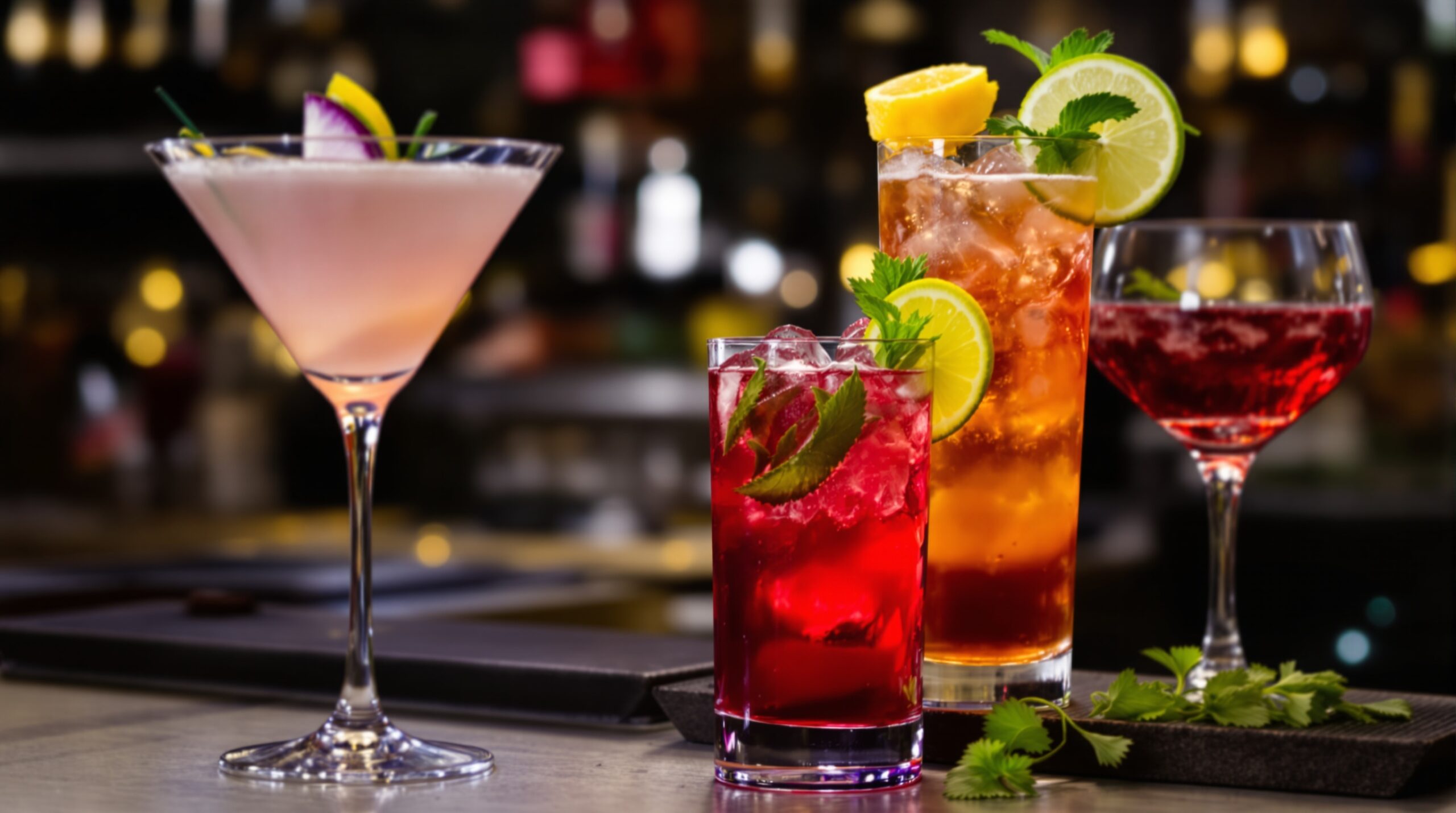
The Gimlet is closely linked to British naval history, becoming popular in England in the late 19th century due to its association with preventing scurvy among sailors. Two origin stories exist for the drink’s name: one crediting Rear-Admiral Sir Thomas Desmond Gimlette for mixing daily gin with lime cordial, and the other referring to the hand tool “gimlet” used to tap barrels on ships.
The traditional recipe for the Gimlet called for equal parts gin and Rose’s Lime Juice Cordial (50ml each), though modern recipes typically use a 2:1 ratio of gin to lime cordial. This clean, tart, and juniper-forward flavour profile has made the Gimlet a popular, iconic mixed drink in the UK.
The Role of British Gin & Rose’s Lime Juice Cordial
British gin has played a pivotal role in defining the flavour profile and international appeal of British cocktails. The introduction of dry gin by British distillers elevated the Martini and spawned unique creations like the Gimlet.
Rose’s Lime Juice Cordial, patented in 1867, represents the world’s first commercial fruit concentrate. It remains an essential ingredient in the classic Gimlet recipe and is a hallmark of British mixology innovation.
Comparison with Other “British” Cocktails
While the Gimlet is considered a truly British invention, other drinks commonly cited as British classics include the Gin & Tonic, Buck’s Fizz (Champagne and orange juice, invented 1921 at Buck’s Club, Mayfair), and the Bramble (1980s London creation).
The Gin & Tonic, though a world-famous British cocktail, was originally conceived to make quinine more palatable in colonial India, rather than being a purely native British invention.
According to sales and popularity data, British classics like the Gimlet and Buck’s Fizz remain staples at UK bars and special occasions, while modern favourites include the Espresso Martini, also born in London.
The British Influence on Global Cocktail Culture
Early British punches (spirits, sugar, water, spices) were the forerunner to modern cocktails, and British sailors and settlers brought these ideas worldwide. The “punch” bowl tradition is a direct ancestor to individual mixed drinks and reflects the communal drinking culture in Britain.
In conclusion, the Gimlet stands as a quintessentially British cocktail, embodying the nation’s rich history, innovative spirit, and enduring love for gin and lime flavours. As a testament to the UK’s global influence on cocktail culture, the Gimlet and other British classics continue to captivate drinkers both at home and around the world.
Sources:
Postcards from Hawaii: “Top 6 Classic English Cocktail Recipes”
Payless Liquors: “History of Classic Cocktails”
Londonist: “London’s Great Cocktails – And How They Were Invented”
The Mixer: “15 Classic British Cocktails To Entertain Your Guests”
Difford’s Guide: “A Brief History of Cocktails”
Class Bar Magazine: “The Top 30 Cocktails in the UK’s Best Bars”
