


The world of strong alcohol encompasses a captivating realm of distilled spirits, each offering a unique flavour profile and potency. From the renowned high-proof vodkas to the bold, smoky notes of cask-strength whiskies, these potent potables have captivated connoisseurs and casual drinkers alike.
Key Takeaways:
- Strong alcohol refers to distilled spirits like vodka, rum, and whiskey, with alcohol by volume (ABV) typically ranging from 37-40% for standard spirits, but exceeding 50% for high-proof versions.
- The distillation process concentrates alcohol and removes impurities, resulting in a higher ABV compared to fermentation-based beverages like beer and wine.
- The world’s strongest alcoholic beverages include Spirytus vodka (96% ABV), Everclear (95% ABV), and several cask-strength whiskies and overproof rums.
The Distillation Process and Defining Strong Alcohol
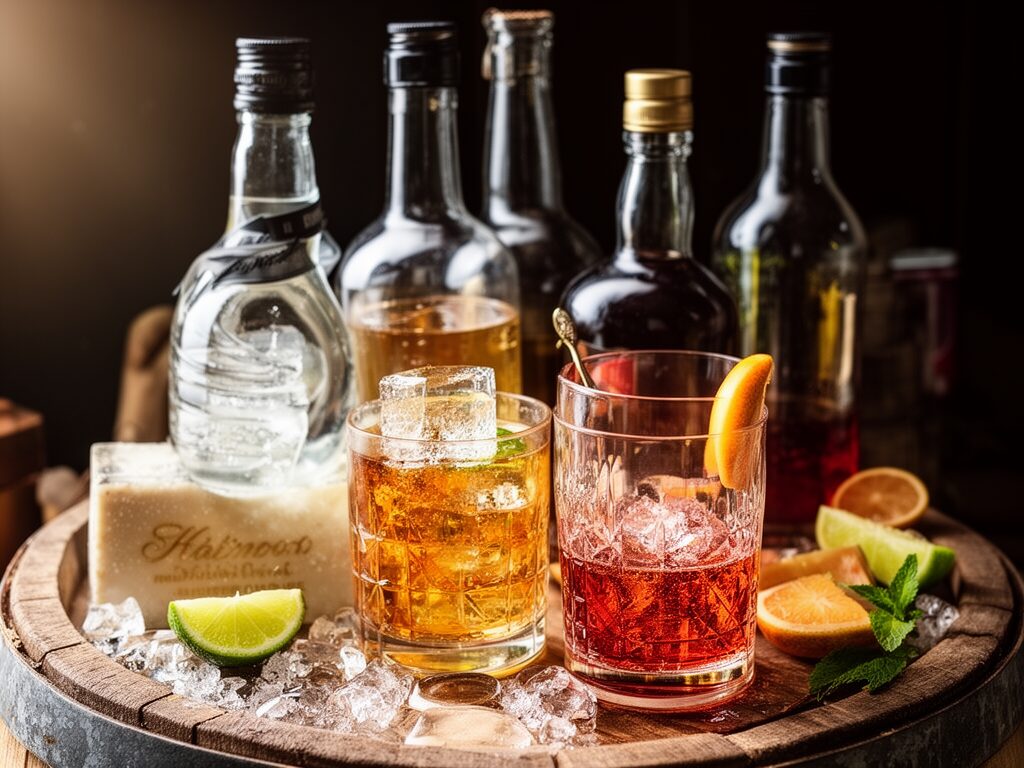
The term strong alcohol refers to distilled spirits or hard liquors like vodka, rum, whiskey, tequila, gin, and brandy. These potent potables are produced via the distillation process, which concentrates the alcohol content and removes impurities, resulting in a higher alcohol by volume (ABV) and proof (twice the ABV percentage in the US) compared to fermentation-based beverages.
The typical ABV range for standard spirits is 37-40% (74-80 proof), but high-proof versions can exceed 50% ABV (100 proof). In contrast, beer typically ranges from 2-7% ABV, while wine is usually 9-14% ABV.
The Strongest Alcoholic Beverages
While the distillation process is what defines strong alcohol, some spirits take this to the extreme. The highest proof spirit on the market is Spirytus vodka, clocking in at a staggering 192 proof (96% ABV). Other top contenders for the strongest alcoholic drinks include Everclear (190 proof, 95% ABV), Bruichladdich X4 Quadrupled Whisky (184 proof, 92% ABV), Pincer Shanghai Strength Vodka (177 proof, 88.5% ABV), and Balkan Vodka (176 proof, 88% ABV).
In addition to these eye-watering high-proof spirits, overproof rums can reach up to 151 proof (75.5% ABV), and cask-strength whiskies like Laphroaig Ten Year Old Cask Strength (115.6 proof, 57.8% ABV) and Four Pillars Navy Strength Gin (117.6 proof, 58.8% ABV) are also incredibly potent.
Understanding Alcohol Strength Measurements
Alcohol by volume (ABV) is the standard measurement of ethanol content, while proof is the US system that equals 2 × ABV (e.g., 80 proof = 40% ABV). The higher the proof, the more intense the flavours, with bold, spicy, and smoky notes, as well as a warming sensation. Most liquors start at 80 proof, but the sky’s the limit for those seeking an extra kick.
Health Risks of Strong Alcohol Consumption
While the allure of high-proof spirits is undeniable, it’s crucial to be aware of the health risks associated with strong alcohol consumption. Even light alcohol use (1 drink/day) can increase breast cancer risk by 5-15% (NCI). Heavy use leads to various health issues, including cardiomyopathy, liver problems, weakened immunity, and several types of cancer.
Binge drinking (4+ drinks/2hrs women, 5+ men) can hit 0.08% blood alcohol content (BAC), which is considered legally impaired. Alcohol use disorder (AUD) and other alcohol-related problems can also have devastating consequences, from leaky gut to various cancers.
Conclusion
The world of strong alcohol is a captivating one, filled with a diverse array of distilled spirits that push the boundaries of potency and flavour. From the world’s strongest vodkas to the bold, smoky notes of cask-strength whiskies, these potent potables offer a unique sensory experience. However, it’s crucial to consume strong alcohol responsibly and be mindful of the associated health risks. Enjoy the allure of these powerful potables, but do so with caution and moderation.
Sources:
Healthline
NIAAA
Webstaurant Store
NHS
Oreata AI
Mayo Clinic
Chilled Magazine
Nestor Liquor
WHO
Alcohol.org
Adcare.com
NCI
