White Vermouth

Introduction
White vermouth is a fortified, aromatised wine flavoured with botanicals like wormwood, citrus peel and herbs, typically bottled at 15-18% ABV. It comes in two main styles, Bianco (sweet) and Dry (French-style), each serving different roles in classic cocktails and as a chilled aperitif.
In this guide
Key Takeaways
- White vermouth splits into Bianco and Dry styles, with distinct sugar levels and flavour profiles.
- Serve it chilled over ice with a citrus twist for a simple, low-ABV aperitif.
- Once opened, refrigerate the bottle and use within four to six weeks for peak freshness.
- Dry white vermouth is the backbone of the classic Martini, while Bianco shines in spritzes.
- Expect to pay between £8 and £25 for quality bottles from producers like Martini, Noilly Prat and Dolin.
What Is White Vermouth?
White vermouth is a fortified wine infused with a blend of botanicals, including the signature ingredient wormwood (Artemisia absinthium). The base wine, usually a neutral white, is strengthened with grape spirit and flavoured with herbs, spices, roots and citrus peels. Producers guard their recipes closely, often using 30 or more botanicals per bottle.
The category itself dates back to 18th-century Turin, where Antonio Benedetto Carpano created the first commercial vermouth in 1786. However, white styles gained popularity through French houses like Noilly Prat, founded in 1813. Today, the drink sits at the intersection of wine and spirits, offering a versatile foundation for mixing.
Bianco vs Dry: Understanding the Styles
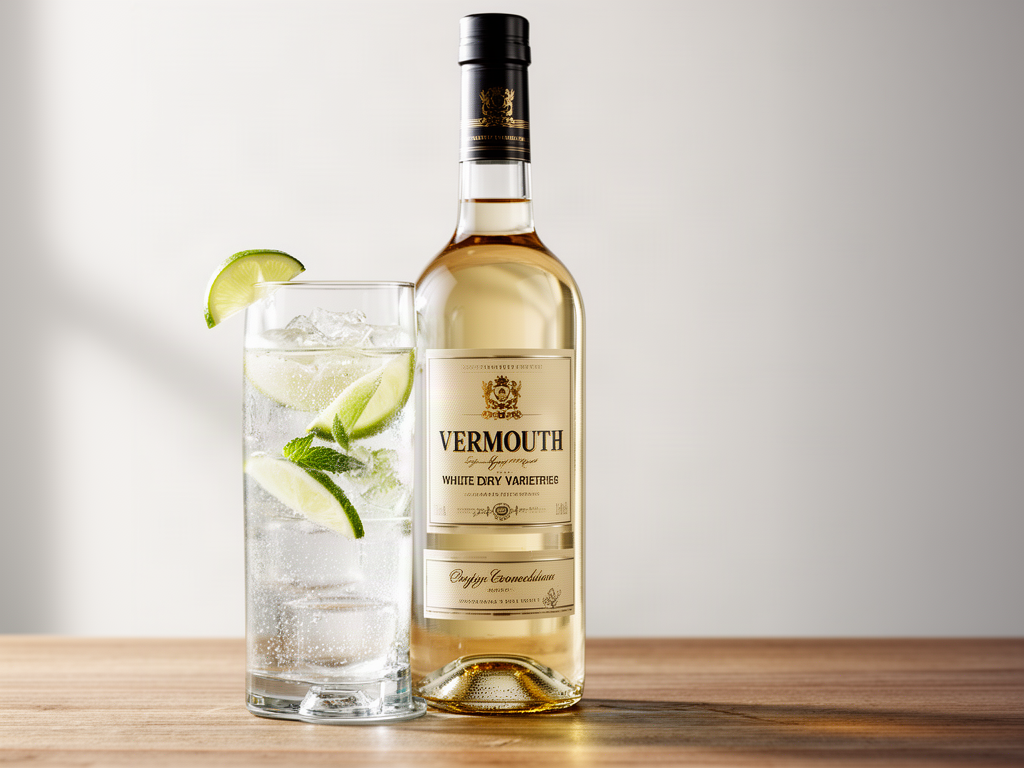
The two dominant white vermouth styles differ significantly in sweetness and character. Bianco (Italian sweet white) contains around 130-150g of sugar per litre, delivering vanilla, elderflower and light herbal notes. Dry vermouth, meanwhile, holds less than 50g of sugar per litre and leans crisp, saline and floral.
Here are the key differences to remember when choosing a bottle:
- Bianco: Sweeter, softer, perfect for spritzes and sipping neat.
- Dry (French): Tart, herbaceous, essential for Martinis and cooking.
- ABV range: Both sit between 15% and 18%.
- Colour: Both appear pale straw to light gold, despite the “white” label.
For example, a Martini Bianco pairs beautifully with tonic water and a lemon twist. Conversely, Noilly Prat Original Dry earns its place in a proper Dry Martini. Additionally, both styles work well in the kitchen, particularly for deglazing pans or finishing seafood sauces.
Serving, Storing and Mixing Tips
Treat white vermouth like a wine, not a spirit. Because it’s wine-based, oxygen degrades the botanicals quickly once opened. Therefore, I always refrigerate my bottles immediately after opening and aim to finish them within six weeks. Storing a bottle at room temperature for months, as many home bars do, dulls the flavour considerably.
For serving, chilling is non-negotiable. Try these approaches to get the best from your bottle:
- Pour 75ml over ice with a fat slice of grapefruit or orange peel.
- Top with soda water for a low-ABV highball around 6% ABV.
- Mix with tonic (1:2 ratio) for an easy summer aperitif.
- Use as a base for a Bianco Negroni variation alongside gin and Suze.
Moreover, dry white vermouth is indispensable in mixology. It appears in dozens of IBA-recognised classics, including the Martini, Vesper and Bamboo. If you’re building a home bar, I’d suggest keeping both a Bianco and a Dry on hand. For inspiration, this guide to essential cocktail ingredients covers the wider spirits landscape too.
Buying Guide and Recommended Bottles
Quality white vermouth doesn’t need to break the bank. Entry-level bottles from Martini & Rossi or Cinzano retail around £8-£12 in UK supermarkets. Mid-range options like Dolin Blanc or Noilly Prat sit in the £12-£18 bracket. Premium producers such as Regal Rogue, Belsazar and Sacred push into the £20-£25 range.
Consider these factors before buying:
- Style match: Choose Bianco for sipping, Dry for Martinis.
- Bottle size: 375ml half-bottles suit occasional drinkers and reduce waste.
- Origin: Italian houses lean sweeter; French producers favour dryness.
- Freshness: Check the bottling date if visible; younger is better.
For beginners, I recommend starting with Dolin Blanc de Chambéry, widely considered a benchmark for balance and clarity. Furthermore, British craft producers like Sacred Spirits in London now make excellent English vermouths worth exploring, often incorporating local botanicals.
Conclusion
White vermouth deserves a permanent spot on any drinks shelf, offering remarkable versatility for its modest price. Whether you prefer the honeyed sweetness of a Bianco or the crisp bite of a Dry, there’s a bottle to suit every palate and occasion. Remember to keep it cold, drink it fresh, and don’t be afraid to experiment beyond the Martini. With a decent bottle and a few citrus peels, you’ve got the makings of a fine aperitif tradition at home.