


The demand for low-sugar, low-calorie, and low-alcohol drinks is on the rise, especially among younger generations in the UK. Consumers are increasingly seeking healthier alternatives to traditional sugary cocktails and mixers, driven by concerns over obesity and a growing interest in “better-for-you” beverage options.
Key Takeaways
- Growing Trend for low-sugar and low-alcohol drinks, fueled by health-conscious consumers
- Non-alcoholic and low-alcohol products now make up a significant and growing share of the UK alcohol market
- Consumers equate “lower sugar, fewer calories” with healthier drink choices
- Brands are responding with zero-sugar and no added sugar options, often using natural sweeteners
- Low-sugar twists on classic cocktails and ready-to-drink (RTD) options are increasing
The Rise of Low-Sugar Liquor Drinks
The UK alcohol industry is undergoing a significant shift, with consumers increasingly gravitating towards low-sugar, low-calorie, and low-alcohol drink options. This trend is particularly pronounced among Generation Z and Millennial consumers, who are more conscious of the potential health impacts of sugar-sweetened beverages.
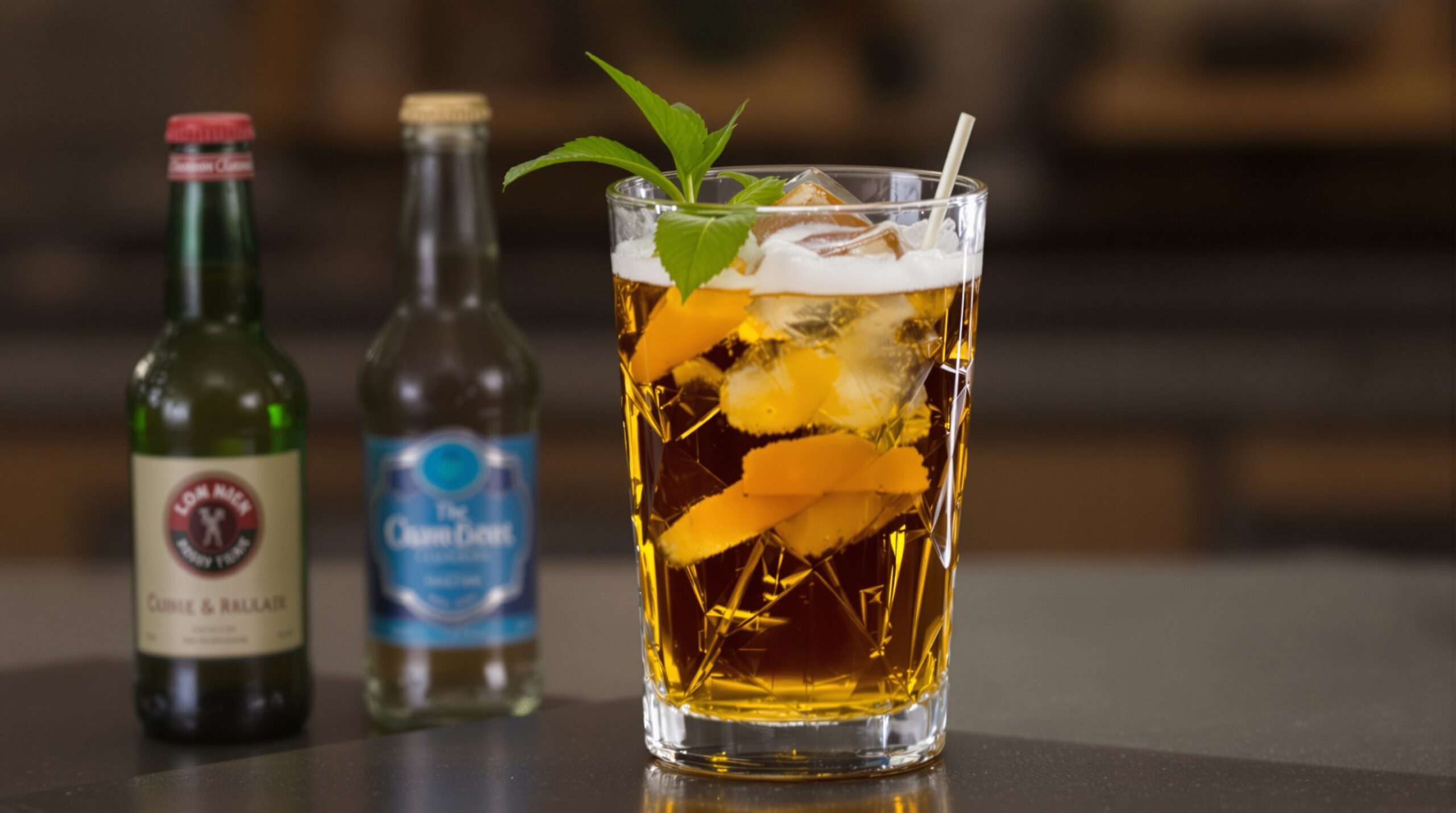
According to a report by Publicis Sapient, the growing demand for low-sugar and zero-sugar drinks is driven by concerns over obesity and a desire for healthier choices. This has led to the implementation of taxes on high-sugar drinks in various markets, further pushing brands to develop low-sugar and no-sugar alternatives.
Moreover, Innova Market Insights notes that consumers often equate “lower ABV + lower sugar + fewer calories” with a healthier drink choice, even within alcoholic categories. This shift in consumer preferences has resulted in a surge of no-alcohol and low-alcohol beverages that highlight low sugar and no added sugar claims as key selling points.
Decoding “Healthier” Drinks
When it comes to the calorie content of alcoholic drinks, the primary contributors are alcohol and sugar. Non-alcoholic or low-alcohol products typically have fewer calories than their full-strength counterparts, especially when they are also low in sugar.
Many non-alcoholic beers and spirits are formulated to be low in sugar, often because the alcohol is removed after fermentation without adding large amounts of sweeteners. Beverage brands are increasingly marketing zero sugar or “no added sugar” options as better-for-you choices.
However, it’s important to note that “no added sugar” does not always mean no sugar; natural sugars from juice or other ingredients may still be present, so consumers should check nutrition labels carefully.
Ingredients & Strategies for Low-Sugar Liquor Drinks
To create low-sugar liquor drinks, mixologists and brands are employing a variety of strategies and ingredients, including:
- Sugar-free or zero sugar mixers: soda water, unsweetened tonic or “light” tonic, unsweetened iced tea, diet cola or diet ginger ale (using artificial sweeteners).
- Natural low- or no-calorie sweeteners: stevia (plant-derived, no calories) and monk fruit (plant-derived, zero calories).
- Botanical ingredients and fruits: herbs, citrus, berries, and infused waters to add flavour without heavy added sugars.
- Fresh citrus juice, bitters, and herbs: to provide complexity and acidity without large sugar additions.
Low-Sugar Twists on Classic Cocktails
Bartenders and brands are also creating low-sugar versions of popular cocktails by:
- Reducing the use of syrups and juices
- Substituting sugar-free mixers or natural non-calorie sweeteners
- Lowering the total sugar and calorie content per drink
Examples of low-sugar cocktail alternatives include a Low Sugar Gin & Tonic (using diet/light tonic or soda water), a Skinny Margarita (tequila, lime juice, soda water, and a small amount of monk fruit or stevia), and a Low Sugar Mojito (rum, lime, mint, soda water, and a reduced amount of sweetener).
The Growth of Low-Sugar Ready-To-Drink (RTD) Cocktails
The ready-to-drink (RTD) cocktail segment is one of the fastest-growing areas of the UK alcohol market, with certain brands seeing triple- or quadruple-digit growth. Within this expanding category, there is a growing subset of low-calorie, low-sugar offerings aimed at health-conscious consumers.
Brands are increasingly formulating flavoured alcoholic and non-alcoholic beverages with low sugar or no added sugar claims as key product features. Some examples include vodka sodas with natural flavours and 0g of sugar, tequila seltzers with citrus or fruit flavours, and non-alcoholic RTD mocktails sweetened with stevia or monk fruit.
Conclusion
The UK alcohol industry is undergoing a significant transformation, with consumers increasingly gravitating towards low-sugar, low-calorie, and low-alcohol drink options. This shift is being driven by growing health and wellness concerns, particularly among younger generations.
Brands are responding to this demand by developing a wide range of low-sugar liquor drinks, including low-sugar versions of classic cocktails and a growing selection of ready-to-drink (RTD) options that highlight low sugar and no added sugar claims. As the low-sugar alcohol trend continues to gain momentum, consumers can expect to see even more innovative and healthier drink options hit the UK market in the years to come.
Sources:
Publicis Sapient – “2025 Trends Shaping the Beverage Industry”
Innova Market Insights – “Low Alcohol Beverage Market Trends in the US”
LearnBrands – “Top Alcohol Industry Trends for 2025: Low/No Alcohol, RTDs and Premiumization”
Sustainalytics – “Tapping Into the Rise of No- and Low-Alcohol – Opportunities and Risks for Beer, Wine, and Spirits Companies”
Penn State Extension – “Alcoholic Beverage Trends 2025”
ANBA (Adult Non-Alcoholic Beverage Association) – “ANBA Industry Statistics”
BeverageDaily – “Global low and no alcohol market data for 2025”
Oh Bev – “Gen Z Alcohol Trends, Consumption and Marketing 2025”
Keurig Dr Pepper – “State of Beverages – 2025 Trend Report”
