

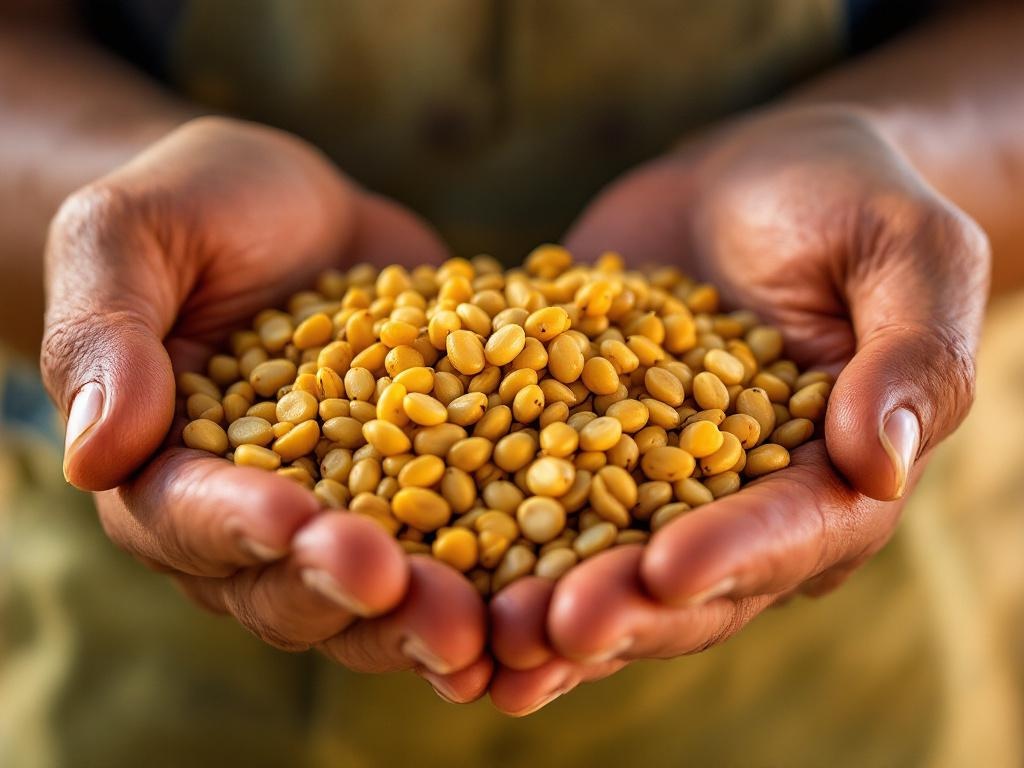
The vibrant world of tequila is built upon the foundation of a single, extraordinary ingredient: the blue agave plant. This Mexican botanical marvel is the heartbeat of one of the world’s most beloved spirits, providing the essential sugars that undergo a meticulous transformation into the smooth, complex flavours we associate with tequila.
Key Takeaways:
- Blue Agave is the primary ingredient for tequila, making up at least 51% of the fermentable sugars.
- Premium (100% agave) tequilas use 100% blue agave sugars, while cheaper “mixtos” can contain up to 49% other sugars.
- The blue agave plant is indigenous to specific regions of Mexico and takes 7-12 years to mature.
- Skilled harvesters called jimadores extract the piña (core) of the plant, which is then cooked and fermented.
- Tequila production is strictly regulated by Mexican authorities, with geographic and compositional standards enforced.
The Blue Agave: Tequila’s Indispensable Ingredient
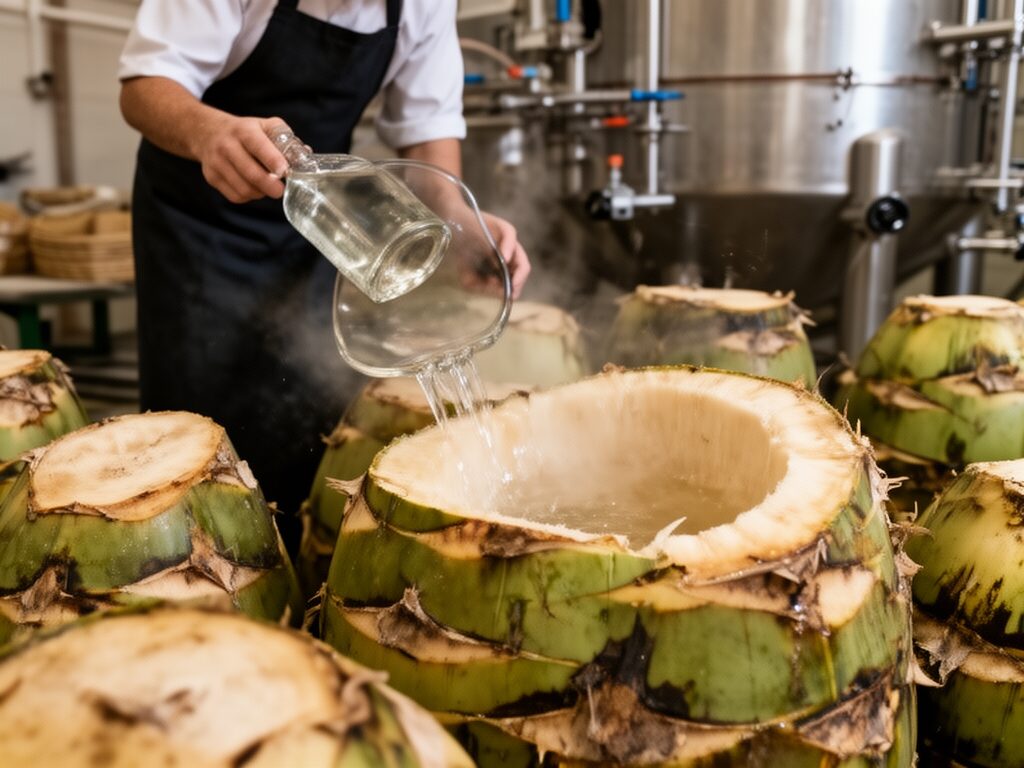
At the heart of every bottle of tequila lies the blue agave (Agave tequilana Weber), a hardy succulent native to the volcanic soil of Mexico’s Jalisco region. This remarkable plant is not only the primary ingredient for tequila, but also the legally required component, providing at least 51% of the fermentable sugars necessary for a spirit to be officially designated as tequila.
The blue agave plant thrives in its natural habitat, maturing over the course of 7 to 12 years, typically reaching peak ripeness around 8 to 12 years of age. When the time is right, skilled harvesters known as jimadores carefully remove the spiky leaves, exposing the prized piña (or heart) of the plant, which resembles a large pineapple.
Each mature blue agave plant yields enough raw material for approximately 9 to 10 bottles of tequila. This bounty of sweet, starchy goodness is the foundation upon which the tequila-making process is built.
The Tequila Production Process
Once the blue agave piñas have been harvested, the real work begins. The piñas are either cooked in traditional brick hornos ovens (a slower, more flavourful process) or in high-pressure autoclaves (a quicker method).
After cooking, the plant juices are extracted using a variety of techniques, such as the traditional tahona wheel, modern roller-mills, or high-tech diffusors. This process produces the aguamiel (or “honey water”), the sweet, viscous liquid that will be fermented and distilled into tequila.
The mosto (or wort) is then fermented for 3 to 12 days using selected yeast strains, with the sugars typically reaching 8 to 16% in alcohol content. This fermentation process converts the plant’s inulin (a fructose-based carbohydrate) into alcohol.
The final step in tequila production involves distillation, which is typically carried out in copper or stainless steel stills. This process refines the spirit, concentrating the alcohol to 40 to 60% ABV, with 40% being the most common bottling strength.
Legal and Regulatory Standards
Tequila is a spirit with a rich heritage and a highly regulated production process. To be considered genuine tequila, the spirit must be produced exclusively within certain Mexican regions, primarily the state of Jalisco, as well as parts of Guanajuato, Michoacán, Nayarit, and Tamaulipas.
The production of tequila is overseen by the Norma Oficial Mexicana (NOM) and the Tequila Regulatory Council (CRT), which ensure that all tequila meets strict standards. This includes the requirement that tequila must contain at least 51% blue agave sugars in the fermentable mosto (wort).
Any spirit produced outside these designated regions or using other types of agave plants cannot legally be labelled as tequila, underscoring the importance of the blue agave in this iconic Mexican spirit.
Conclusion
The blue agave plant is the unsung hero of the tequila world, providing the essential sugars and flavours that make this spirit so distinctive and sought-after. From its careful cultivation to the meticulous distillation process, the blue agave is the indispensable ingredient that gives tequila its unique character and versatility in cocktails.
Whether you’re a tequila connoisseur or simply curious about this captivating spirit, understanding the role of the blue agave plant offers a deeper appreciation for the art and tradition behind every sip of tequila. So, the next time you raise a glass of tequila, remember the botanical wonder that makes it all possible.
Sources:
Norma Oficial Mexicana (NOM)
Tequila Regulatory Council (CRT)
