

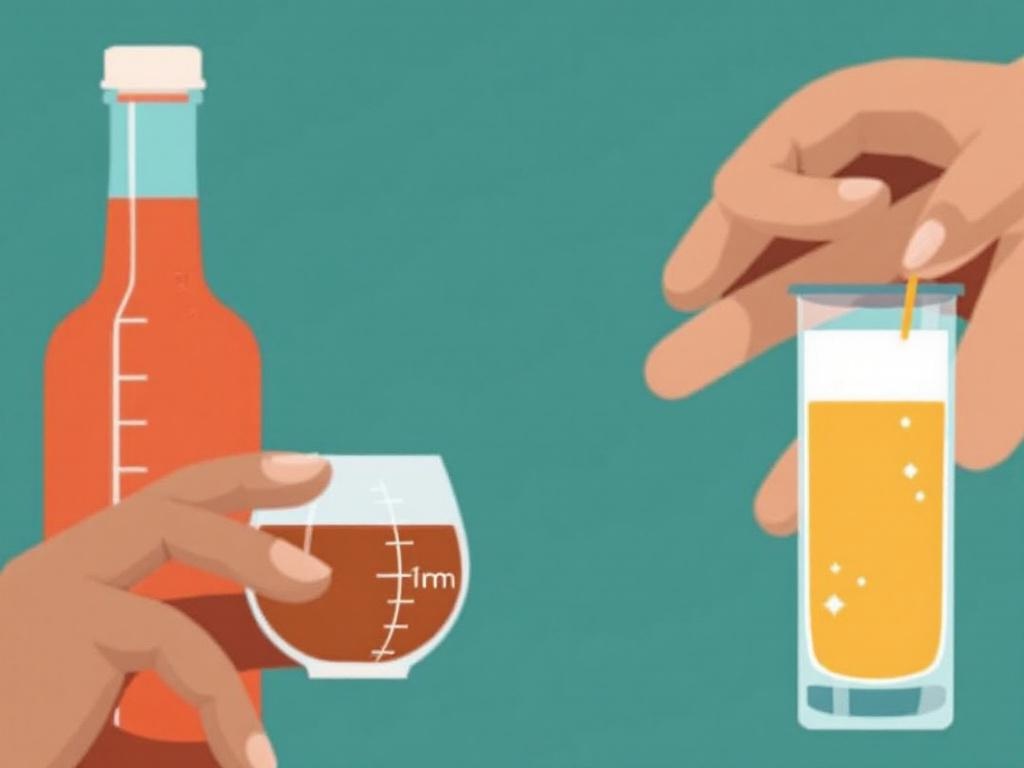
High alcohol volume is a crucial factor in the world of spirits, wines, and beers, as it directly impacts the strength and potency of the beverage. Accurately measuring and understanding alcohol by volume (ABV) is essential for regulatory compliance, taxation, and consumer awareness. In this article, we’ll explore the various methods used to measure high alcohol volume and the industry standards that govern these practices.
Key Takeaways:
- ABV is the percentage of pure ethanol in a beverage’s total volume at 20°C.
- The relationship between ABV and proof is: Proof = ABV × 2.
- Digital density meters provide the most accurate and efficient way to measure high alcohol volume.
- The TTB (Alcohol and Tobacco Tax and Trade Bureau) requires ±0.02% accuracy for proof labeling and taxation.
- Best practices include calibrating at 20°C, using small sample sizes, and taking multiple measurements.
Alcohol by Volume (ABV) and Alcohol Proof
Alcohol by Volume (ABV) is the standard measure of the percentage of pure ethanol in a beverage’s total volume at 20°C. For example, a spirit with a 40% ABV means that 40% of its volume is pure ethanol. The relationship between ABV and proof is that proof is equal to ABV multiplied by 2. This standard is set by the TTB (Alcohol and Tobacco Tax and Trade Bureau) for labeling and taxation purposes in the United Kingdom.
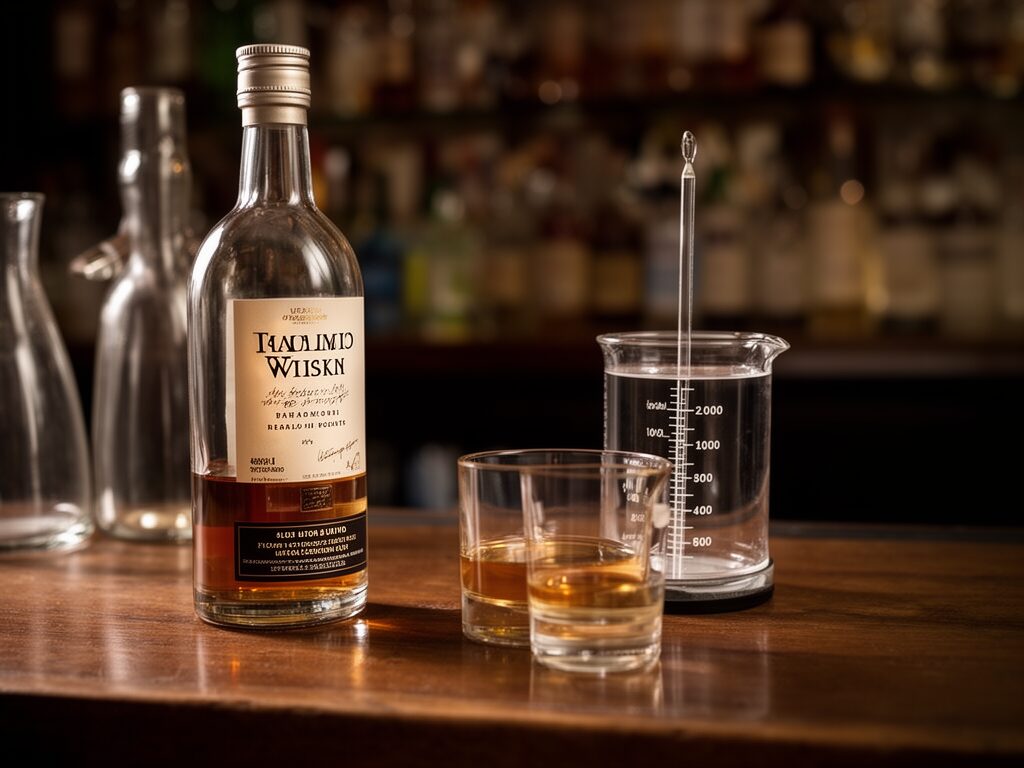
In contrast, alcohol by weight (ABW) measures the mass proportion of ethanol, rather than the volume proportion. The conversion between ABV and ABW is: ABV ≈ ABW × (density of drink / density of ethanol).
Common high-alcohol volume beverages and their typical ABV and proof ranges include:
- Spirits (e.g., whiskey): 40-50% ABV, 80-100 proof
- Overproof rum: 50-75%+ ABV, 100-151+ proof
- High-alcohol volume beer (e.g., Imperial stout): 8-12% ABV, 16-24 proof
The TTB plays a crucial role in monitoring and regulating high alcohol volume beverages for taxation purposes, ensuring accurate labeling and compliance with industry standards.
Traditional Methods: Hydrometers and Pycnometers
Historically, two common methods for measuring alcohol by volume have been hydrometers and pycnometers. Hydrometers measure the density (specific gravity) of a liquid before and after fermentation, allowing the ABV to be calculated by subtracting the initial specific gravity from the final specific gravity and using conversion charts. Pycnometers, on the other hand, directly measure the density of a liquid, but they are time-consuming, require trained personnel, and yield less reproducible results due to visual readings and temperature sensitivity.
A comparison of these traditional methods reveals their limitations:
| Method | Sample Size | Accuracy | Time per Test | TTB Suitable? |
|---|---|---|---|---|
| Hydrometer | 300-500 ml | Moderate (user error high) | 10-20 min | No |
| Pycnometer | Small | Low (±0.05°C error) | 30+ min | Rarely |
The main drawbacks of these traditional methods include the need for large sample sizes, eye-based readings, and temperature-related challenges, which can compromise the accuracy and efficiency of high alcohol volume measurement.
Advanced Laboratory Methods: Density Meters and Beyond
To address the limitations of traditional methods, the industry has adopted more advanced laboratory techniques for measuring high alcohol volume. One of the most accurate and efficient solutions is the use of digital density meters, such as the Rudolph DDM 2911 Plus.
These density meters measure the density of alcohol-water mixtures and then convert the measurements to ABV using established tables from organizations like the OIML, AOAC, and IUPAC. The Rudolph DDM 2911 Plus, for example, offers an accuracy of ±0.01% vol/vol, exceeding the TTB’s requirement of ±0.02% for proof labeling and taxation. This is achieved using a small sample size of 1-2 ml and taking the measurements in just 1-2 minutes, with automatic temperature control (±0.03°C).
In addition to density meters, other advanced laboratory methods include:
| Method | Accuracy | Sample Size | Speed | Best For |
|---|---|---|---|---|
| Gas Chromatography | Highest | Small | 10-30 min | Labs, precision |
| Refractometer | Moderate | Few drops | <1 min | Homebrew pre-ferment |
| Distillation | High | Larger | 20-60 min | Wineries |
The Rudolph DDM 2911 Plus, in particular, is noteworthy for its VideoView™ feature, which helps detect and eliminate any potential issues with bubbles that could affect the accuracy of the measurements. This instrument is also approved by the TTB for use in its own laboratories, ensuring compliance with industry standards.
Regulatory and Industry Standards for High ABV Measurement
The Alcohol and Tobacco Tax and Trade Bureau (TTB) in the United Kingdom requires an accuracy of ±0.02% for proof labeling and taxation purposes. Digital density meters like the Rudolph DDM 2911 Plus are widely used in TTB labs to meet this strict accuracy requirement.
For home and self-pour studies, researchers have employed strategies such as pictures of glassware (e.g., the NESARC survey) or the Analox® AM3 analyzer to measure alcohol by volume in bar drinks. These methods aim to provide accurate data on high alcohol volume consumption patterns.
Common Pitfalls and Best Practices in High ABV Testing
While advanced methods like density meters offer a high degree of accuracy, there are still some common pitfalls to be aware of. Bubbles, for instance, can alter the precision of the measurements, which can be avoided by using the VideoView™ feature on the Rudolph DDM 2911 Plus. Additionally, temperature must be precisely controlled (±0.03°C) to ensure accurate alcohol by volume readings.
Another important consideration is the way high alcohol volume consumption is measured and reported. Quantity-frequency (QF) measures can sometimes underestimate heavy drinking by ignoring patterns, and graduated frequencies (GF) should be used instead for a more accurate assessment.
To ensure the best practices in high alcohol volume testing, it’s recommended to:
- Calibrate the equipment at 20°C
- Use a small sample size of 1-2 ml for density meters
- Take multiple measurements to obtain statistical data
- Utilize barcode sample identification to enhance traceability
By following these guidelines and leveraging the latest high alcohol volume measurement technologies, businesses and researchers can ensure accurate, compliant, and reliable data, ultimately supporting responsible practices and informed decision-making in the alcohol industry.
Sources:
Rudolph Research: Measure Alcohol Concentration – Alcohol Proof Testing
NIST: How Do You Measure the Percentage of Alcohol in Beer, Wine and Other Beverages
Clawhammer Supply YouTube: How to Measure Alcohol Content
PMC-NIH: Alcohol Measurement Methodology in Epidemiology
Old Tennessee Distilling Co.: Alcohol by Volume: A Complete Guide
