

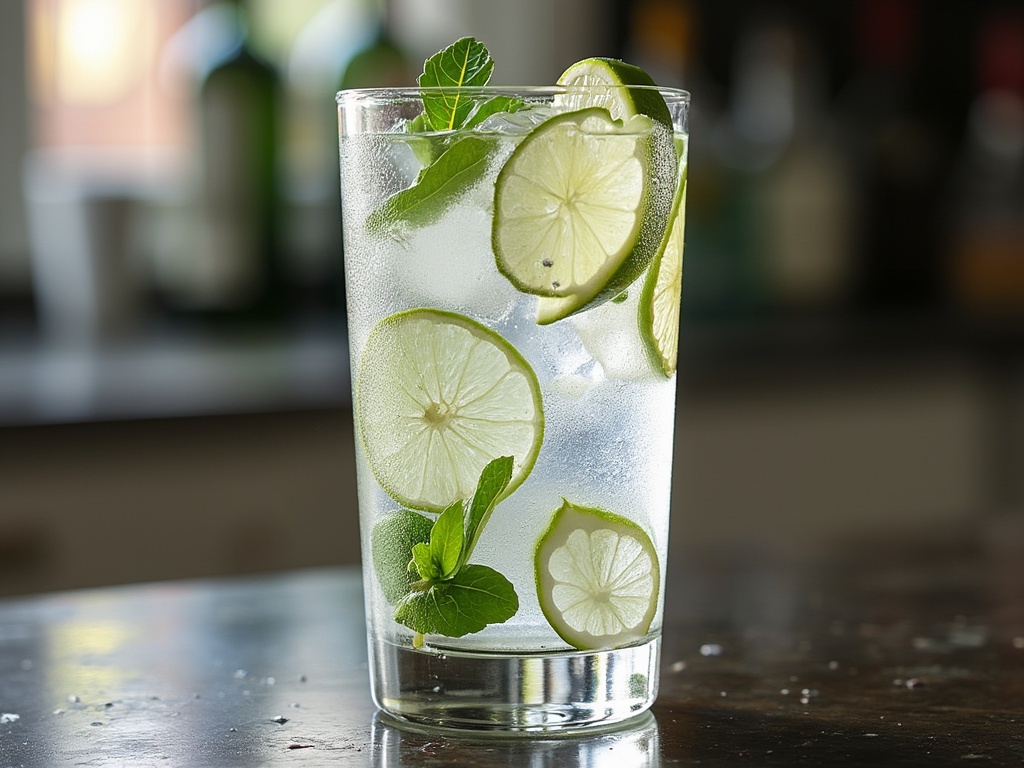
The gin and tonic has become one of the most iconic and enduring cocktails in the world, with a rich history that stretches back centuries. From its origins in the Netherlands to its rise as a symbol of British colonial sophistication, this refreshing libation has captured the imagination of drinkers across the globe.
Key Takeaways:
-
- The gin in the gin and tonic dates back to the 17th century, with its roots in the Netherlands.
-
- Tonic water’s key ingredient, quinine, was long used as a treatment for malaria, especially by British colonists in India.
-
- The gin and tonic became a symbol of British identity and colonial sophistication, spreading throughout the empire.
-
- As malaria became less of a concern, the drink evolved from a medicinal treatment to an enjoyable refreshment.
- Today, the gin and tonic enjoys a global renaissance, with a wide variety of gins and specialty tonic waters available.
The Origins of Gin and Tonic
The story of the gin and tonic begins in the 17th century, with the origins of gin in the Netherlands. The Dutch produced a spirit called genever, which was flavoured with juniper berries, coriander seeds, and star anise, among other botanicals. This was intended to mask the rough taste of the distillation process.
Meanwhile, the key ingredient in tonic water, quinine, had been used for centuries as a treatment for malaria. The Dutch and later the British colonists in India mixed this quinine with water and sugar to create a more palatable remedy for the disease.
The British in India and the Birth of the Gin & Tonic
It was the British officers in India in the early 19th century who first began mixing gin—which was already part of their rations—with quinine tonic water, sugar, and lime to create a more palatable malaria treatment. The first documented mixings of gin and tonic occurred in India and were mentioned in the “Oriental Sporting Magazine” in 1868, demonstrating the widespread adoption of the drink among the colonists.
Schweppes patented tonic water in 1858, and by the 1860s, “Indian Tonic Water” was a popular export due to high demand in tropical colonies, further fueling the rise of the gin and tonic.
The Rise to Popularity and Global Spread
The gin and tonic quickly became a symbol of British identity and colonial sophistication, spreading throughout the empire to regions such as Africa and the Caribbean. Over time, as malaria was less of a concern, tonic water’s quinine content was reduced and sweetened, transforming the drink into an enjoyable refreshment rather than a medicinal treatment.
The enduring popularity of the gin and tonic was cemented by famous figures like Winston Churchill, who famously remarked that ‘Gin and tonic has saved more English lives and souls than all the doctors in the Empire’. By the late 19th and early 20th centuries, the gin and tonic was a mainstay in British and international cocktail culture.
Contemporary Variations and Cultural Significance
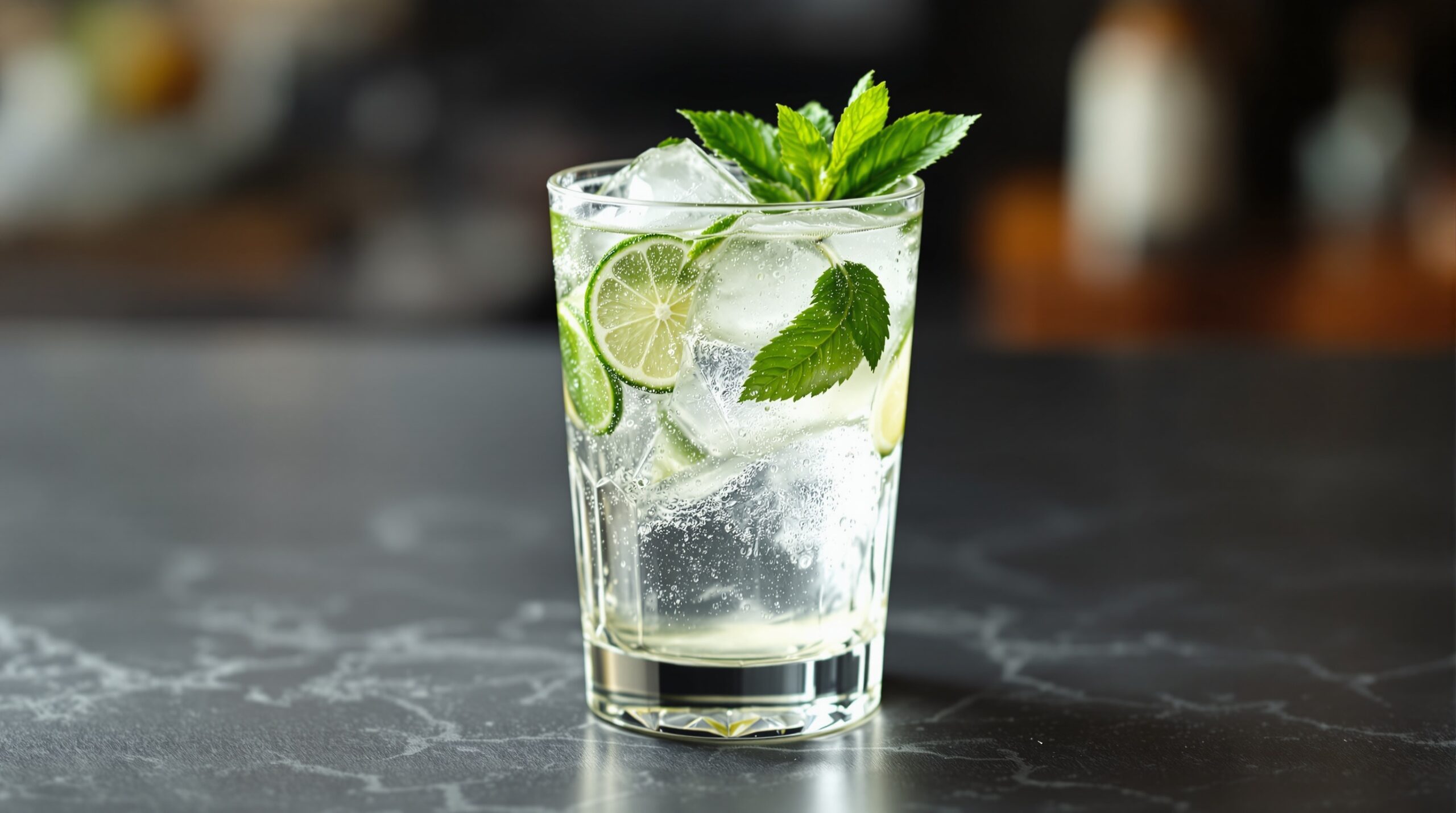
Today, the gin and tonic has evolved into a diverse and exciting cocktail. Modern versions feature a wide variety of gins and specialty tonic waters, with diverse garnishes such as lemon, lime, cucumber, orange, berries, and even botanical infusions. Balloon glasses and ratios of 1/3 gin to 2/3 tonic are now common.
While brands like Schweppes continue to dominate, the rise of artisanal tonics has expanded the drink’s profile, with creative versions featuring coloring agents like clitoria flowers for visual appeal. The cocktail is recognized for its iconic status; today, thousands of bars and brands offer regional and premium variations, fueling gin’s global renaissance.
Conclusion
The gin and tonic’s journey from a medicinal treatment to a beloved global cocktail is a testament to its enduring appeal and the rich history behind it. From its Dutch origins to its adoption by the British in India, the gin and tonic has evolved and adapted to the changing tastes and preferences of drinkers around the world. Today, it remains an iconic and quintessentially British drink, with a bright future as the gin renaissance continues to unfold.
Sources:
Beefeater Gin Blog, “The History of the Gin and Tonic”
Rabbit Hole Distillery, “History Of The Gin And Tonic”
Ginsiders, “Discover the history of Gin and Tonic”
Tayport Distillery, “Origins of the iconic gin and tonic cocktail”
Exeter Gin, “Who Invented the Gin and Tonic?”
O Simonetti, “The history of Gin and Tonic; the infectious disease …”, PMC (2022)
