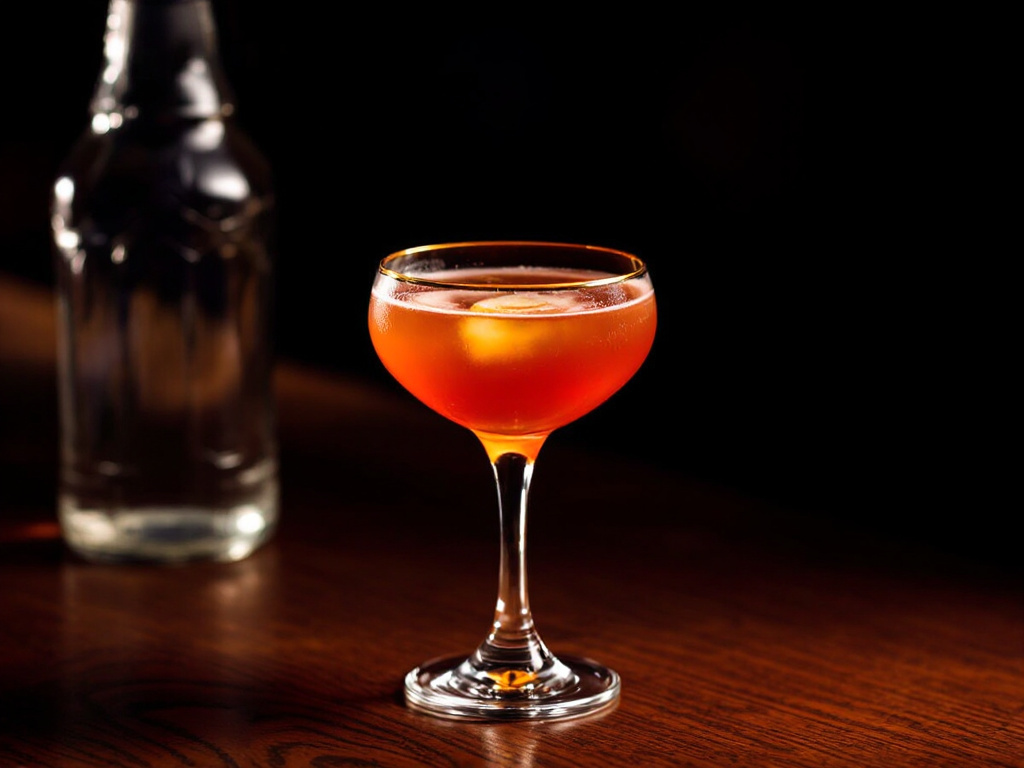
Aperol Spritz Cocktail
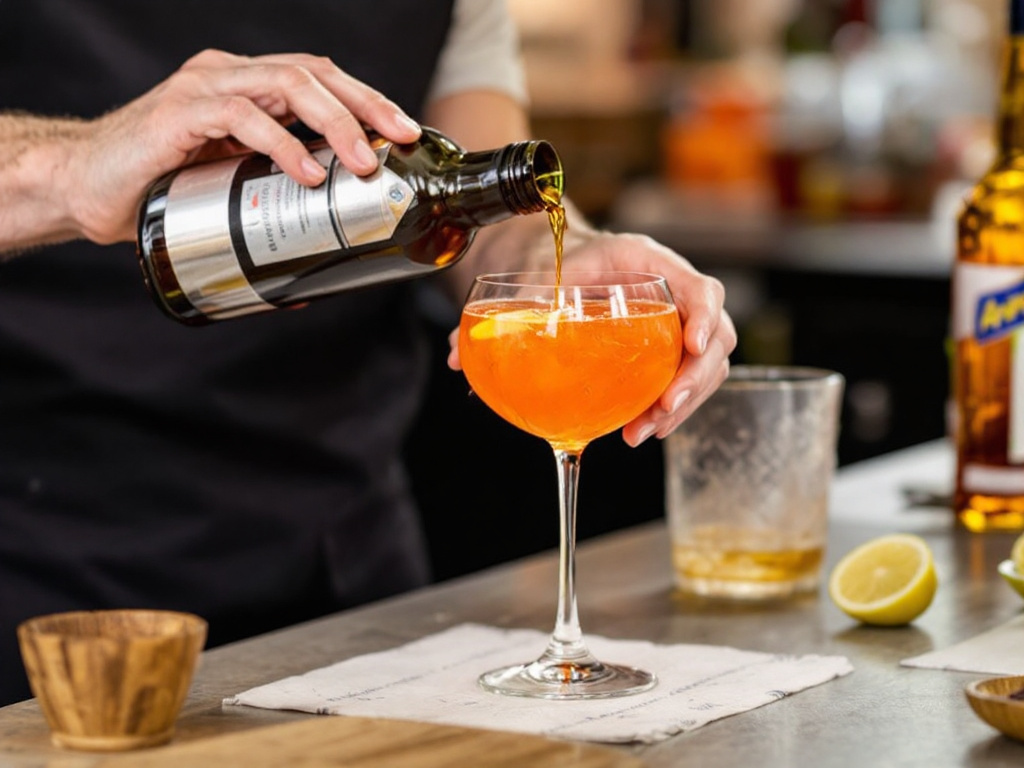
The aperol spritz cocktail has become the defining aperitivo of modern drinking culture, blending bitter orange notes with sparkling Prosecco and a splash of soda for a refreshingly light finish. Born in Italy and now poured in bars from Milan to Manchester, it’s a three-two-one formula that balances simplicity with sophistication, making it the go-to summer sipper for novices and seasoned mixologists alike.
In this guide
Key Takeaways
- The classic 3-2-1 ratio uses three parts Prosecco, two parts Aperol, and one part soda water over ice.
- Aperol contains just 11% ABV, making it a lighter aperitif compared to its bolder cousin Campari.
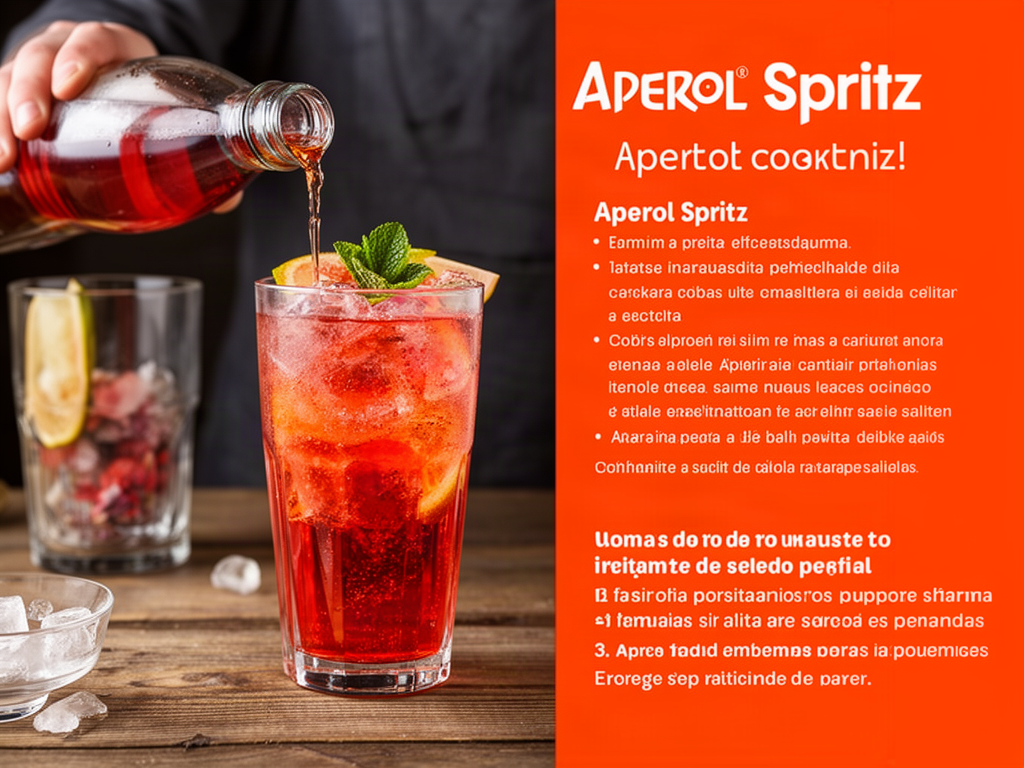
- Serve in a large wine glass filled with ice, garnished with a fresh orange slice for authenticity.
- The drink originated in Padua, Italy in 1919, created by the Barbieri brothers as a low-alcohol aperitivo.
- Quality Prosecco DOC and chilled ingredients are essential for a properly balanced spritz.
The Origins and Rise of the Aperol Spritz
I’ve always found the story behind Aperol fascinating. The Barbieri brothers created the bright orange liqueur in Padua back in 1919. It was originally marketed as a lighter alternative to heavier Italian bitters. However, the spritz format itself dates back to Austrian soldiers in the 19th century, who added water to strong Venetian wines.
The modern aperol spritz cocktail emerged properly in the 1950s across the Veneto region. For decades, it remained a regional favourite. Then, following a major Campari Group marketing push in the 2000s, the drink exploded globally. Today, it ranks among the world’s most-ordered cocktails, appearing on menus from Shoreditch to Sydney.
Essential Ingredients and Equipment
Getting the ingredients right matters more than any fancy technique. I always insist on chilled components before mixing, because temperature affects both dilution and flavour. For a proper serve, you’ll need only a handful of items.
Here’s what I recommend keeping on hand:
- Aperol liqueur – the bitter orange base, non-negotiable for authenticity
- Prosecco DOC – ideally a dry (Brut or Extra Dry) Italian sparkling wine
- Soda water – well-chilled, freshly opened for maximum fizz
- Large wine glasses or Copa glasses
- Plenty of ice cubes (large, clear cubes melt slower)
- Fresh orange slices for garnish
A bottle of Aperol typically costs between £14 and £18 in UK supermarkets. Prosecco ranges from £8 upwards, so building a home bar for spritzes won’t break the bank. For those curious about how the ingredients compare, my guide on Aperol vs Campari differences breaks down the key distinctions.
The Classic 3-2-1 Recipe Method
The official IBA formula follows a straightforward 3-2-1 ratio. This proportion delivers the perfect balance between bitterness, sweetness, and effervescence. Additionally, it’s easy to remember and scale for parties.
Here’s my step-by-step approach:
- Fill a large wine glass completely with ice cubes
- Pour in 90ml of Prosecco first to prevent excessive foaming
- Add 60ml of Aperol next, watching the colour bloom
- Top with a splash (roughly 30ml) of chilled soda water
- Stir gently once with a bar spoon to combine
- Garnish with a fresh orange slice on the rim
Adding Prosecco before Aperol is a trick I learned in Venice. Consequently, the drink comes together without the syrupy liqueur sinking heavily to the bottom. For a detailed breakdown, check my full Aperol Spritz recipe guide with expert tips.
Taste Profile and What to Expect
Flavour-wise, the aperol spritz delivers a distinctive experience. The first sip brings bittersweet orange notes with hints of rhubarb and gentian root. Furthermore, the Prosecco lifts the drink with crisp apple and pear undertones. The soda water rounds everything off with clean effervescence.
Aperol itself measures just 11% ABV, so the finished cocktail sits around 8-9% alcohol. Therefore, it’s ideal for long afternoons without leading to instant intoxication. The bitterness stimulates the appetite, which is precisely why Italians drink it before meals. For a deeper explanation, my article on what is an Aperol Spritz covers the flavour science in detail.
Common Mistakes to Avoid
I’ve watched countless home bartenders make the same errors. Small missteps can throw off the entire balance of the drink. Moreover, some mistakes waste expensive ingredients unnecessarily.
Here are the pitfalls I’d steer clear of:
- Using warm ingredients – always chill Aperol, Prosecco, and soda beforehand
- Skimping on ice – a half-filled glass causes rapid dilution
- Substituting sweet Prosecco (Dolce) instead of Brut or Extra Dry
- Adding too much soda water, which flattens the flavours
- Using lemon instead of orange – the citrus profile clashes
- Vigorous shaking or stirring, which kills the fizz
Additionally, don’t reach for cava or champagne as a Prosecco substitute. The flavour profiles differ significantly, and champagne’s yeasty character overwhelms the delicate Aperol notes.
Variations Worth Trying
Once you’ve mastered the classic, plenty of variations deserve exploration. I frequently experiment with these twists when hosting friends. Furthermore, each one showcases a different side of Aperol’s versatility.
Some of my favourite adaptations include:
- Aperol Sour – shaken with lemon juice, egg white, and simple syrup
- Frozen Spritz – blended with ice for hot summer days
- Aperol Negroni – equal parts Aperol, gin, and sweet vermouth
- Pink Grapefruit Spritz – swapping soda for pink grapefruit tonic
- Elderflower Spritz – adding a dash of St-Germain for floral notes
For non-drinkers, a mocktail version using orange juice, bitter alcohol-free aperitifs, and sparkling water captures the essence remarkably well.
Serving Suggestions and Food Pairings
The spritz shines as an aperitivo, meaning it’s meant to precede a meal. Consequently, pairing it with the right snacks enhances both the drink and the food. Italians take their aperitivo hour seriously, typically between 6pm and 8pm.
Classic pairings I always suggest include:
- Salted almonds, olives
Sources:
Yoast – The 2025 SEO wrap-up: What we learned about search
Yoast – SEO in 2025: Experts reveal key trends and insights
AirOps – 9 SEO & AEO Trends That Defined Search in 2025
WordStream – The 8 SEO Trends That Will Shape Search in 2025
BestWriting – 47 Blogging Statistics You Need to Know in 2026
Backlinko – 5 Crucial SEO Trends in 2026 (and How to Adapt)
Exploding Topics – Future of SEO: 5 Key SEO Trends (2025 & 2026)
DMCockpit – SEO Trends That Shaped 2025: AI, Voice Search & Zero-Click
Moz – 2025 SEO Trends: Top Predictions from 23 Industry Experts
DemandSage – 45 Content Marketing Statistics For 2025 (Latest Data)
AgencyAnalytics – The 7 latest SEO trends you simply can’t ignore in 2025
Digital Silk – 40 Must-Know Content Marketing Statistics For 2025
Search Engine Land – 5 SEO trends for 2025
The Influence Agency – Top 10 SEO trends for 2025 (and beyond)
Digidop – SEO Trends 2025: 20 Stats to Boost Your Search Rankings