


The daiquiri cocktail is a timeless classic that has captivated the palates of drink enthusiasts worldwide for over a century. Originating in Cuba during the Spanish-American War era, this refreshing libation has evolved from its humble beginnings as a simple “Rum Sour” to a beloved staple in the world of mixology.
Key Takeaways:
- Historic Origins – The daiquiri was invented around 1896-1900 by American mining engineer Jennings S. Cox near Daiquiri village in Cuba.
- Classic Recipe – The original daiquiri recipe calls for 2 oz white rum, 1 oz fresh lime juice, and 0.5-1 oz simple syrup.
- Popular Variations – From the Hemingway Daiquiri to frozen and seasonal versions, the daiquiri has evolved to suit diverse tastes.
- Cultural Impact – The daiquiri has remained a timeless classic since the Golden Age of Cocktails, with over 125 years of history and counting.
The Origins and History of the Daiquiri Cocktail
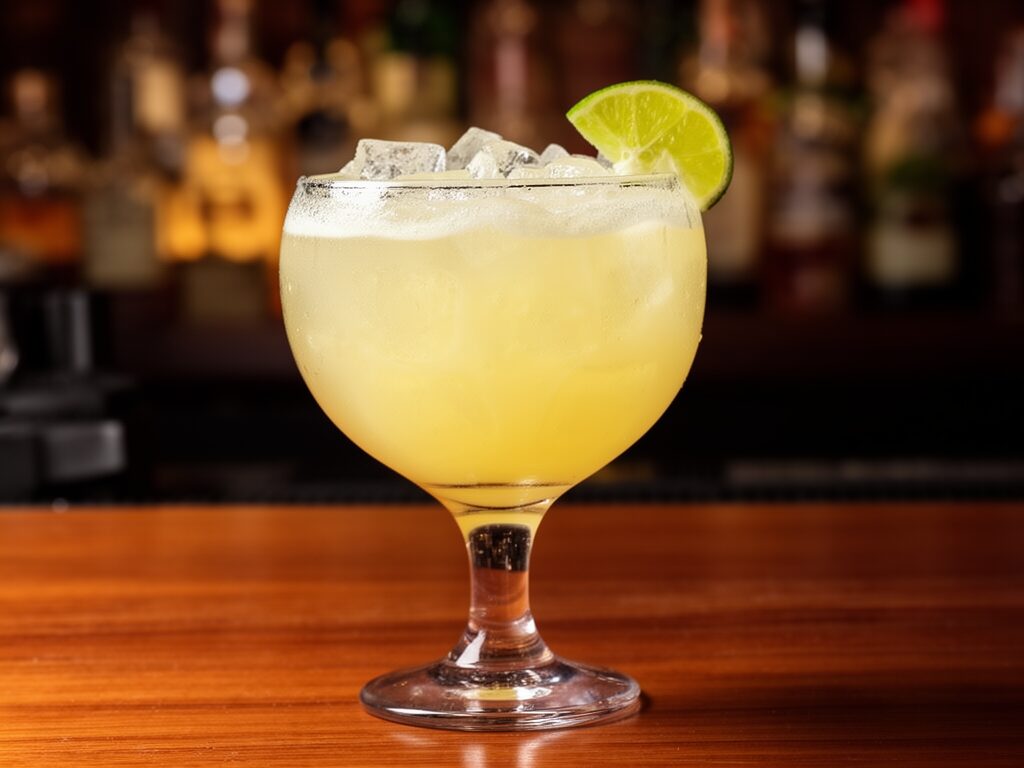
The daiquiri’s roots can be traced back to the late 19th century, when American mining engineer Jennings S. Cox invented the cocktail near the Daiquiri village in Cuba during the Spanish-American War era. Faced with a shortage of gin at a party, Cox improvised by using rum, fresh lime juice, and sugar, creating what was initially called the “Rum Sour.” The daiquiri’s origins can also be linked to the earlier Cuban Canchánchara, a traditional guerrilla remedy made with aguardiente de caña (sugar cane spirit), lime, honey, and water.
The daiquiri was later introduced to the United States in 1910 by Navy officer Lucius Johnson, who served the cocktail at the Army and Navy Club in Washington, D.C. The frozen version of the daiquiri, created around 1915 by bartender Constantino Ribalaigua Vert at the El Floridita bar in Havana, further popularized the drink among American tourists during the Prohibition era in the 1920s.
The Classic Daiquiri Recipe and Ingredients
The original daiquiri recipe calls for 2 ounces of white rum (such as Bacardi Carta Blanca, which was first used in the late 1890s), 1 ounce of fresh lime juice, and 0.5 to 1 ounce of simple syrup. These ingredients are then shaken with ice and strained into a chilled coupe or glass. The daiquiri was traditionally not blended, but rather shaken, to create a smooth, well-integrated cocktail.
Bacardi’s role in the evolution of the daiquiri cannot be overlooked. The company’s innovations, including the use of column stills, white oak aging, and charcoal filtering, helped to produce a lighter, more refined Cuban rum that became a staple in the classic daiquiri recipe. Garnish options for the daiquiri can include a simple lime wheel or other seasonal fruits.
Popular Daiquiri Variations
While the classic daiquiri recipe remains a beloved staple, the cocktail has also inspired numerous variations over the years. The Hemingway Daiquiri, named after the famous author Ernest Hemingway, a regular at the El Floridita bar in Havana, omits the sugar and instead adds double the amount of maraschino liqueur and grapefruit juice.
The frozen daiquiri, created around 1915 at the El Floridita, has also become a popular version, with the cocktail being blended or shaved with ice. Seasonal and modern riffs on the daiquiri include flavours such as fig, peach, pineapple, watermelon, prickly pear, coconut, banana, strawberry, mango, and more.
The New Orleans drive-thru frozen daiquiri also became a cultural phenomenon, with the first shops opening in Ruston, Louisiana, in 1979, and then spreading to the Crescent City in 1983.
The Daiquiri’s Cultural Impact and Enduring Popularity
The daiquiri’s enduring popularity can be attributed to its timeless appeal, having been a staple since the Golden Age of Cocktails in the late 1800s. By 2023, the daiquiri will have celebrated over 125 years of history, with the Bacardi rum company playing a significant role in its evolution and popularisation.
The daiquiri’s cultural impact is also undeniable, as it has been embraced by renowned figures like Ernest Hemingway, who inspired the creation of the Hemingway Daiquiri. The New Orleans drive-thru frozen daiquiri shops, which revolutionized the way the cocktail was consumed, further cemented the daiquiri’s status as a true cultural icon.
Conclusion
The daiquiri’s enduring appeal and rich history make it a timeless favourite in the world of mixology. From its humble beginnings as a “Rum Sour” to its evolution into a beloved classic and modern variations, the daiquiri has captivated the senses of cocktail enthusiasts worldwide for over a century. Whether enjoyed in its classic form or as a creative interpretation, the daiquiri remains a testament to the enduring power of a well-crafted cocktail.
Sources:
Bacardi Carta Blanca
El Floridita
Hemingway Daiquiri
