


The Sidecar cocktail is a timeless classic that has captivated drinkers for decades. This elegant and balanced libation features a harmonious blend of cognac, orange liqueur, and fresh lemon juice. Whether you’re a seasoned mixologist or a budding cocktail enthusiast, understanding the key ingredients that make up a sidecar is essential.
Key Takeaways:
- Cognac or brandy form the spirit base of the sidecar cocktail.
- Cointreau is the preferred orange liqueur for its balanced flavour and sweetness.
- Freshly squeezed lemon juice is crucial for optimal balance and brightness.
- Optional additions include a touch of simple syrup and a citrus peel garnish or sugar-rimmed glass.
The Classic Sidecar Ingredients
The traditional sidecar cocktail is built upon just three key ingredients: cognac (or brandy), orange liqueur, and fresh lemon juice. The standard proportions are 1 1/2 oz cognac, 3/4 oz to 1 oz orange liqueur (with Cointreau being the preferred option), and 3/4 oz lemon juice.
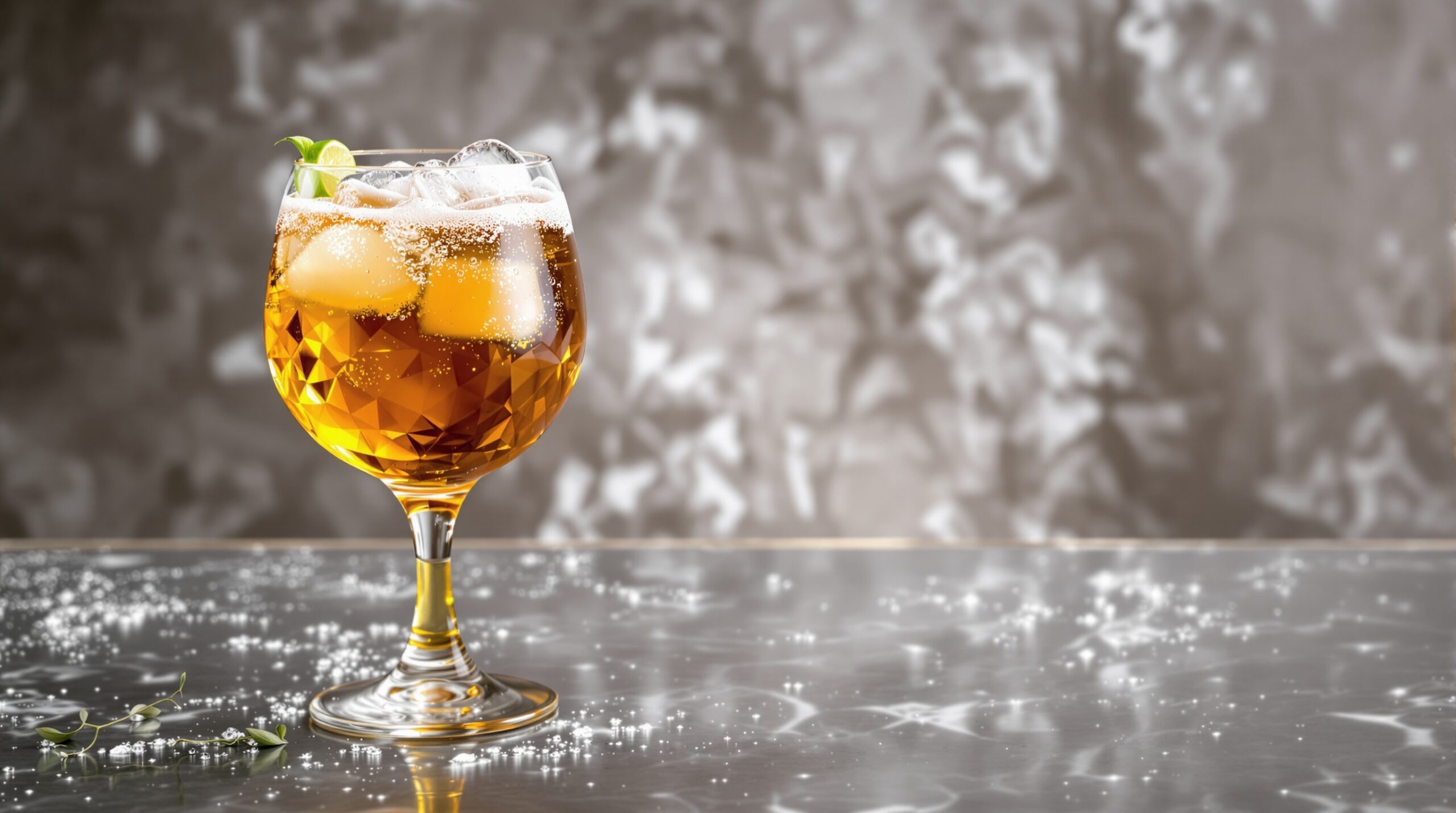
Ingredient Quality and Details
The quality and selection of each ingredient plays a crucial role in the overall balance and flavour profile of the sidecar cocktail. For the cognac or brandy, VS (2 years aged) or VSOP (4 years) expressions are most commonly used, as older XO variants are not typically recommended for cocktails. When it comes to the orange liqueur, Cointreau is the preferred choice for its well-balanced orange flavour and sweetness.
Freshly squeezed lemon juice is essential for achieving the optimal balance and brightness in the sidecar. A touch of simple syrup can be added if desired to adjust the sweetness, although increasing the amount of orange liqueur is an alternative approach. Finally, the inclusion of a citrus peel garnish or a sugar-rimmed glass can enhance the presentation and complement the cocktail’s flavour profile.
Sidecar Variations
While the classic sidecar recipe is a timeless favourite, there are several variations that offer unique twists on the original. The Whiskey Sidecar (or Bourbon Sidecar) swaps out the cognac for bourbon, resulting in a richer, spicier profile. The Vodka Sidecar uses vodka instead of brandy, creating a lighter and more neutral flavour. For those seeking a touch of warmth, the Spiced Sidecar incorporates spices like cinnamon or utilizes a spiced syrup.
Other intriguing variations include the Between the Sheets, which combines rum, cognac, orange liqueur, and lemon juice, and the Limoncello Variation, which adds 1/2 oz of limoncello for an extra burst of citrus zing.
Proportions and Disagreements
While classic sidecar recipes often call for equal parts (1:1:1) of the key ingredients, many modern versions tend to lean towards a higher proportion of cognac, typically in a 2:1:1 ratio. Experts generally recommend the 2:1:1 ratio as the best balance for the sidecar. In the UK and France, the standard recipe often uses 50 ml cognac, 25 ml triple sec, and 25 ml lemon juice.
Conclusion
The sidecar cocktail is a timeless and sophisticated libation that showcases the harmonious interplay of cognac or brandy, orange liqueur, and fresh lemon juice. Whether you prefer the classic 1:1:1 ratio or the more modern 2:1:1 approach, understanding the key ingredients and their roles in the sidecar is essential for crafting a perfectly balanced and delightful cocktail experience.
Sources:
A Bar Above – “Sidecar”
Zestful Kitchen – “3-Ingredient Sidecar Cocktail Recipe”
Four Roses – “Bourbon Sidecar”
BBC Good Food – “Sidecar cocktail recipe”
Robb Report – “How to Make a Sidecar, the Classic Cognac Cocktail”
Rémy Martin USA – “Sidecar Cocktail Recipe”
