

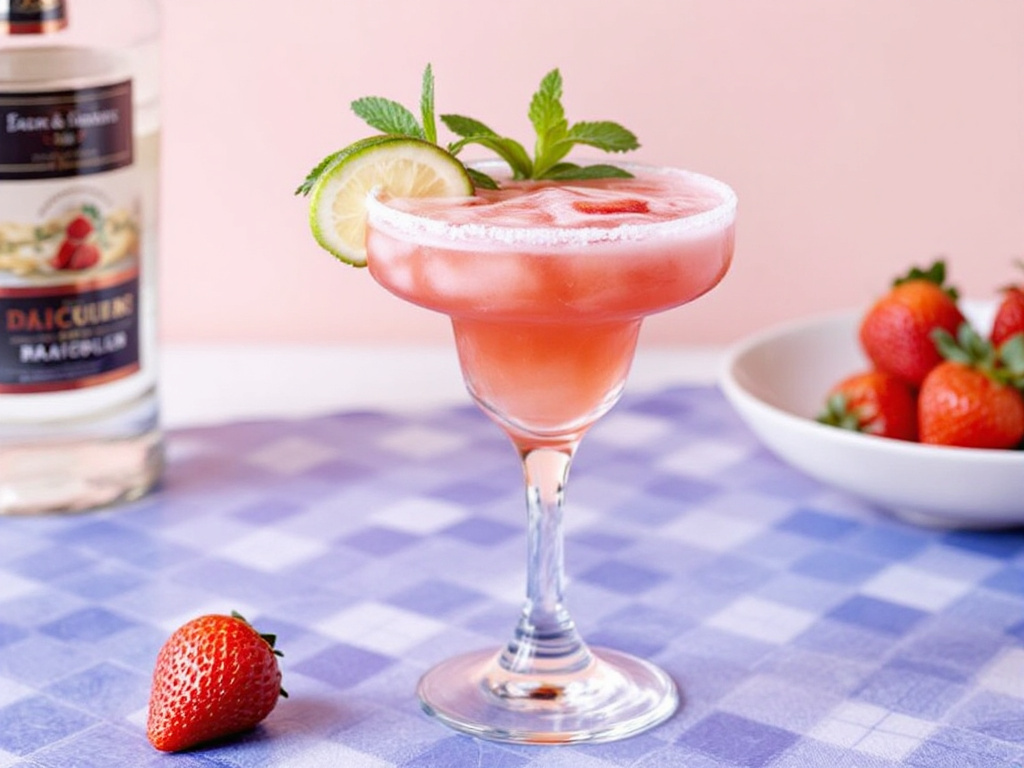
A strawberry daiquiri cocktail mix offers a quick route to one of the most popular rum-based drinks, blending sweet strawberries, zesty lime, and sugar into a ready-to-pour base. Shop-bought mixes typically cost between £4 and £12 in UK supermarkets, while homemade versions let you control sweetness, texture, and alcohol content with ease.
Key Takeaways
- A strawberry daiquiri originates from Cuba and has been a classic cocktail since the early 20th century.
- Shop-bought cocktail mixes save time but often contain added sugars and preservatives.
- Homemade mixes use just four ingredients: strawberries, lime juice, sugar, and ice.
- White rum is the traditional spirit, though vodka and tequila work as alternatives.
- Frozen and shaken versions differ in texture and serving style.
What Is a Strawberry Daiquiri Cocktail Mix?
A strawberry daiquiri cocktail mix is a pre-blended base containing strawberry purée, lime juice, and sugar. You simply add rum and ice to create the finished drink. Most UK supermarkets stock branded options, with Finest Call and Mr & Mrs T among the most recognised names.
The daiquiri itself traces back to the early 1900s, when American engineer Jennings Cox created it in a Cuban town of the same name. The strawberry variation emerged decades later, becoming a staple of frozen cocktail menus. Today, it’s one of the most ordered fruit-based cocktails in British bars.
Commercial mixes typically have a shelf life of 12 to 18 months unopened. Once opened, you should refrigerate and use within two to four weeks for the best flavour.
Essential Ingredients and Equipment
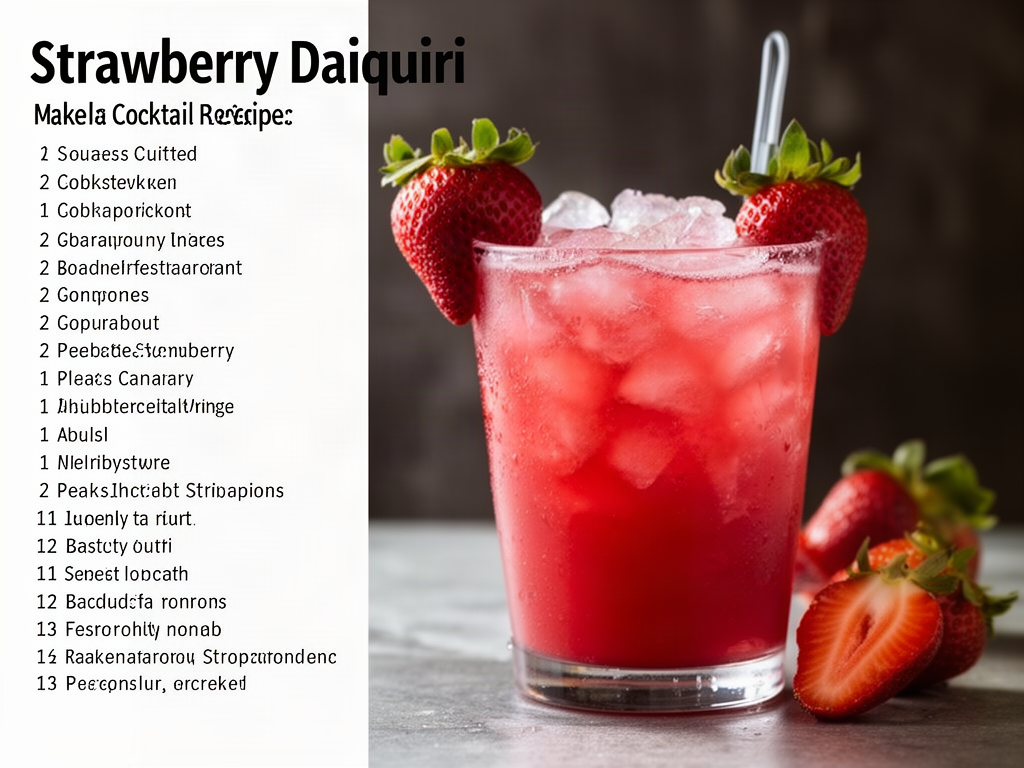
For a homemade strawberry daiquiri cocktail mix, I rely on fresh, simple ingredients. Fresh fruit delivers brighter flavour than frozen, though frozen berries work brilliantly for icy versions.
Here’s what I use for a classic batch:
- Fresh strawberries – around 250g, hulled
- Lime juice – 60ml, freshly squeezed
- Simple syrup – 30ml, or caster sugar to taste
- White rum – 60ml per serving, added separately
- Crushed ice – one cup for frozen versions
For equipment, a high-powered blender is essential for smooth frozen daiquiris. A cocktail shaker, jigger, and fine mesh strainer complete the kit. Expect to spend between £15 and £40 on a decent starter set from UK retailers.
If you enjoy exploring classic recipes, you might also like reading about official IBA cocktails for mixologists, which lists the daiquiri among its contemporary classics.
How to Make the Perfect Strawberry Daiquiri
Making a strawberry daiquiri from scratch takes under five minutes. First, blend 250g of strawberries with 60ml lime juice and 30ml simple syrup until smooth. This creates your base mix, which you can store in the fridge for up to three days.
For a frozen daiquiri, add 60ml of white rum and a cup of crushed ice to the blender. Pulse until the texture resembles a thick slushie. Pour into a chilled coupe or hurricane glass and garnish with a strawberry slice.
For a shaken version, combine 60ml rum, 45ml of the strawberry mix, and ice in a shaker. Shake vigorously for 15 seconds, then strain into a chilled glass. The result is lighter and more refined than its frozen counterpart.
Here are a few tips I’ve picked up over the years:
- Chill your glass beforehand to maintain temperature
- Use ripe strawberries for maximum natural sweetness
- Adjust lime juice gradually to balance acidity
- Add a splash of orange liqueur for depth
Shop-Bought vs Homemade: Which Is Better?
Both options have genuine merits. Shop-bought mixes offer convenience and consistency, which is ideal for parties or quick entertaining. However, they often contain high-fructose corn syrup, artificial colours, and preservatives.
Homemade versions give you complete control over sweetness, acidity, and texture. Additionally, the flavour is noticeably fresher and more vibrant. The trade-off is time and the need for ripe fruit, which can be seasonal in the UK.
For comparison, consider these cost estimates per serving:
- Shop-bought mix: approximately £1.20 per serving
- Homemade mix: approximately £0.90 per serving using seasonal strawberries
- Bar-made cocktail: typically £9 to £14 in London venues
If you fancy branching out, I’d suggest exploring amaretto cocktails for a nutty alternative, or trying the bitter sophistication of Negroni ingredients for something entirely different.
Variations, Serving Tips and Storage
The strawberry daiquiri is wonderfully versatile. You can swap white rum for spiced rum, tequila, or vodka depending on your preference. For a non-alcoholic version, simply replace the spirit with sparkling water or lemonade.
Popular variations include:
- Strawberry basil daiquiri – add 4 to 5 fresh basil leaves
- Strawberry mint daiquiri – muddle 6 mint leaves before blending
- Spicy strawberry daiquiri – add a slice of jalapeño
- Strawberry banana daiquiri – blend in half a ripe banana
For serving, I always use chilled glassware. Hurricane glasses suit frozen versions, while coupe glasses complement shaken ones. Garnish with a strawberry on the rim, a lime wheel, or a sprig of mint.
Store homemade mix in an airtight container in the fridge for up to three days. Furthermore, you can freeze the mix in ice cube trays for up to two months, making it easy to blend fresh cocktails on demand.
Conclusion
A well-made strawberry daiquiri cocktail mix bridges convenience and craft, giving you a reliable base for one of the world’s most-loved summer drinks. Whether you choose a shop-bought bottle or blend your own from fresh British strawberries, the key lies in balancing sweetness, acidity, and texture. With just a few quality ingredients and a blender, you can create bar-standard cocktails at home for a fraction of the cost. Experiment with variations, chill your glass properly, and you’ll soon have a signature serve worth sharing.
Sources:
