

Non-Alcoholic Mocktail Recipes for All Ages: Elevating the Art of Mindful Mixology
In a world where wellness and moderation reign supreme, the art of mocktail-making has emerged as a vibrant and rapidly expanding frontier. Mocktails – the captivating non-alcoholic counterparts to classic cocktails – have captured the imagination of consumers across the UK, offering a refreshing alternative for all ages to indulge their thirst for flavour and sophistication.
Key Takeaways:
- Mocktail growth is skyrocketing, with a projected 97% increase by 2028 and a global ready-to-drink market set to reach £12.15 billion by 2030.
- Gen Z (18-24) leads the mocktail revolution, with 33% making or purchasing them in the last 30 days, compared to just 18% of Millennials and under 10% of those over 45.
- Wellness culture, sober-curious lifestyles, and economic factors are driving the mocktail boom, with 13% of UK adults making or purchasing them recently.
- Innovative ingredients, classic flavours, and creative garnishes are shaping the mocktail landscape, from Shirley Temples to Yuzu Pineapple Palomas.
Mocktails: The Fastest-Growing Beverage Category
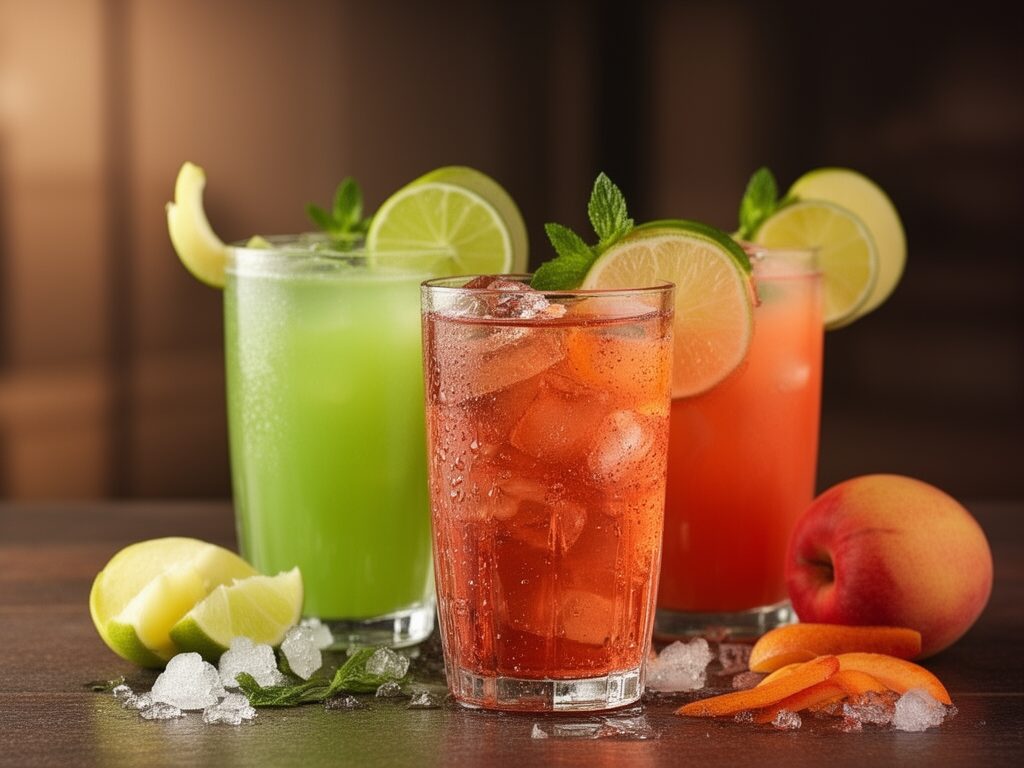
The mocktail industry is experiencing a remarkable surge in popularity, with a projected 97% growth by 2028 and the global ready-to-drink mocktail market expected to reach £12.15 billion by 2030. This vibrant trend is mirrored on foodservice menus, where mocktail listings have increased by a staggering 142% from 2020 to 2024. The artisanal mocktail industry is projected to reach £30 billion in 2025, underscoring the insatiable demand for these innovative, alcohol-free libations.
Mocktails for All Ages: Appealing to Younger Generations and Beyond
The rise of mocktails is being driven, in large part, by the preferences of younger consumers. Gen Z (aged 18-24) leads the charge, with 33% making or purchasing mocktails in the last 30 days, compared to just 18% of Millennials and under 10% of those over 45. A staggering 75% of 18-24-year-olds have expressed a willingness to purchase mocktails such as raspberry mojitos, orange spritz, margaritas, and strawberry daiquiris.
This generational shift is further amplified by the fact that Gen Z consumes 20% less alcohol than Millennials and will make up 35% of the UK workforce next year. The sober-curious movement, with 56% of “very sober-curious” individuals purchasing mocktails recently and 21% participating in Dry January, has also contributed to the mocktail boom. Across the board, 32% of casual diners have expressed interest in mocktails, with a 35.47% increase in social discussions about the topic over the past year.
Driving the Mocktail Boom: Wellness, Economics, and Historical Appeal
The mocktail revolution is fueled by a confluence of factors, including the rise of wellness and fitness culture, the sober-curious lifestyle, and economic considerations. 13% of UK adults have made or purchased a mocktail in the last 30 days, with 17% expressing interest in these alcohol-free alternatives.
Interestingly, the origins of mocktails can be traced back to the Prohibition era of the 1920s and 1930s, creating a positive feedback loop where increased availability and variety of options has led to greater demand. This trend is most evident in restaurants (26% overall, 42% Gen Z), bars (16-27%), and events (13-27%), where the appeal of mocktails is undeniable.
Mocktail Ingredients, Trends, and Non-Alcoholic Alternatives
The mocktail landscape is evolving with a diverse array of innovative ingredients and techniques. Premium non-alcoholic spirits, such as Seedlip and Ritual, are gaining popularity, alongside fermented drinks, creative garnishes, and classic flavours like mojito, orange spritz, and margarita. Twists on these timeless favourites, such as raspberry mojito, are also capturing the imagination of discerning drinkers.
Signature mocktail creations, such as the Shirley Temple (CAGR 6.3% 2024-2030), Non-Alcoholic Hugo Spritz, Yuzu Pineapple Paloma, and Peach Cobbler Mocktail, showcase the boundless creativity of today’s mocktail mixologists. Incorporating house-made syrups, infused teas, botanical blends, and locally sourced, seasonal ingredients, these alcohol-free libations offer a sensory experience that rivals their traditional counterparts.
Conclusion: Embracing the Mocktail Movement
The rise of mocktails represents a seismic shift in the UK’s beverage landscape, catering to the evolving preferences of consumers across all age groups. From the sober-curious to the health-conscious, the appeal of these innovative, alcohol-free concoctions is undeniable. As the mocktail industry continues to grow and diversify, it offers a refreshing and sophisticated alternative for those seeking to indulge their thirst for flavour without compromising their wellbeing or lifestyle choices.
Sources:
Seedlip
Ritual
Shirley Temple
Non-Alcoholic Hugo Spritz
Yuzu Pineapple Paloma
Peach Cobbler Mocktail
